A ban on Israeli settlement imports could be adopted by qualified majority, according to lawyers at the Council, yet the European Commission appears to favour a unanimity vote. That gap came into the open at the European Parliament’s trade committee on Thursday 5 November 2026, and it has turned a procedural question into a political one.
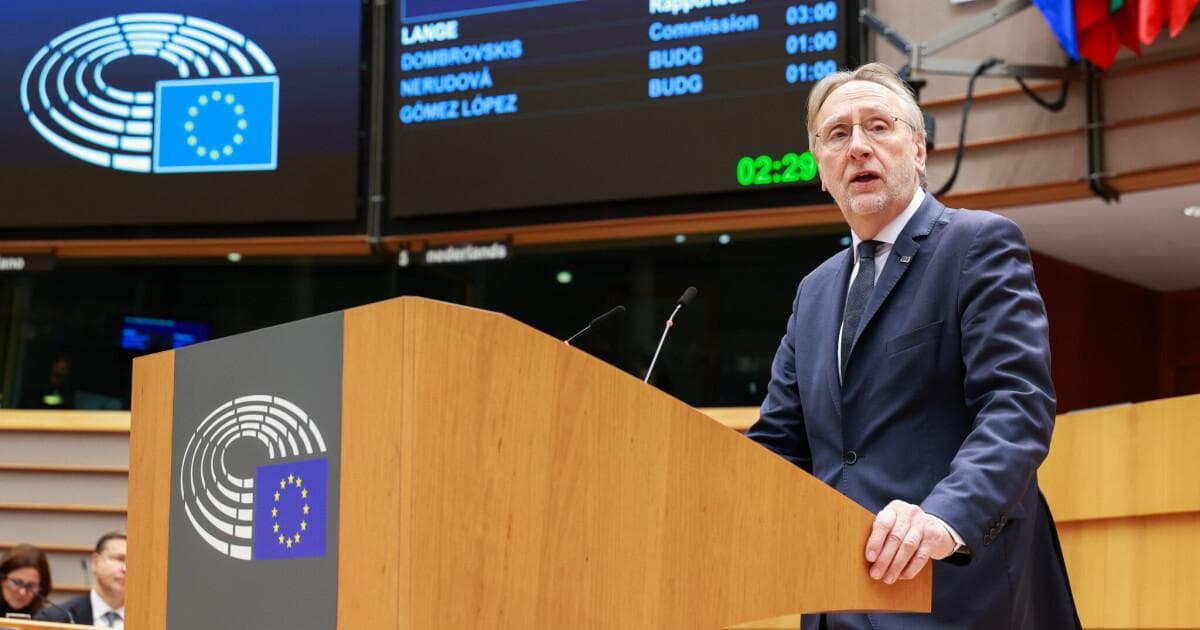
Bernd Lange, the German Social Democrat MEP who chairs the committee, called the Commission’s stance totally unacceptable. He said it was new to him that officials were asking about voting rules before presenting any legislation, noted that the Council has a qualified majority, and described the approach as crazy.
Léon Delvaux, speaking for the Commission, told MEPs that no decision has been taken on which option, or combination of options, to pursue. He added that so far no majority has come about on any of them. Vladimir Janecek of the European External Action Service said that with incompatible positions it had not been possible to find a way forward.
The voting rule matters because it decides who holds a veto. Trade measures are normally adopted by qualified majority in the Council, which lets a coalition of member states carry a decision over the objections of a few. Unanimity would hand every single capital the power to block a ban on Israeli settlement imports, so the choice of legal route may determine the outcome before any text is drafted. Earlier reporting indicated that most member states favour a full ban on Israeli settlement imports, which is why the unanimity question has become the main obstacle.
The committee exchange was sharp precisely because of timing. Parliament has repeatedly asked the Commission to act on trade with illegal settlements, and officials who answer with questions about voting rules, rather than a draft text, risk looking as if they are managing the problem instead of resolving it. Lange’s point was that the Council’s own legal service had already indicated a route, so the debate over Israeli settlement imports should not stall on a premise that lawyers in the Council dispute.
The exchange also shows the pressure building on the Commission from Parliament. MEPs are asking it to present a legislative proposal rather than to survey capitals first, and Lange’s reaction suggests that the trade committee will keep pressing the issue in the weeks ahead. The Commission has not yet set out in public detail which legal basis it prefers, and officials stressed that the options are still open. That leaves Parliament, the Council and the External Action Service reading the same file in different ways.
Until it does, the debate over Israeli settlement imports will remain a test of how the Union reconciles its stated positions on international law with its own decision-making rules. The next step to watch is whether the Commission tables a proposal and, if so, which voting procedure it attaches to it.