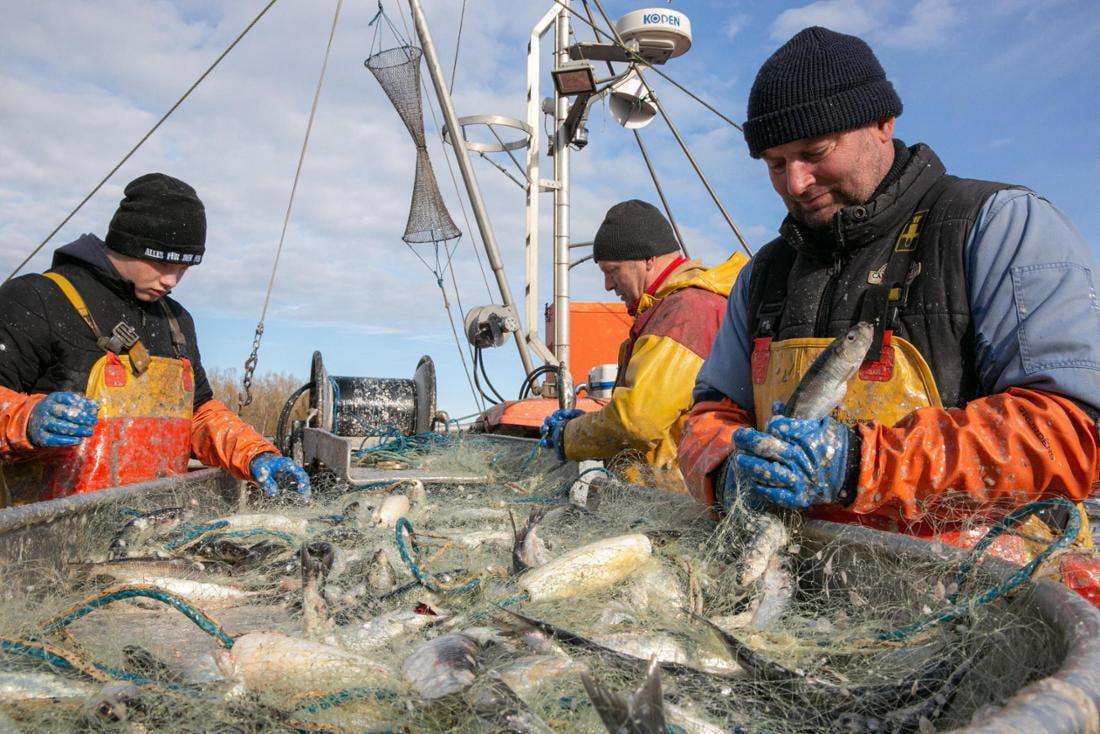
Gdynia: Baltic fishing quotas for 2027 are now the subject of a Commission proposal that raises limits for herring and sprat while it cuts the unavoidable by-catch of cod. The Commission proposed catch limits for ten European Union stocks on 24 August 2026, according to a Brussels Times report, and member states were due to take up the file at a Council meeting on 26 and 27 October 2026.
The proposal rests on scientific advice from the International Council for the Exploration of the Sea and on the Baltic Sea multiannual management plan adopted in 2016. Under the Baltic fishing quotas, the total allowable catch for central Baltic herring would rise by 49 percent and the sprat limit would rise by 44 percent. Bothnian herring would gain 3 percent and Gulf of Riga herring 11 percent, while plaice, Main Basin salmon and Gulf of Finland salmon would stay at their 2026 levels.
Cod carries the sharpest restrictions in the Baltic fishing quotas. The Commission wants the unavoidable by-catch limit for western Baltic cod to fall by 88 percent and the equivalent limit for eastern Baltic cod to fall by 51 percent. By-catch means fish that crews catch by accident while they target other species, so the cuts aim to protect weak stocks without opening a direct fishery. Existing accompanying measures would continue, and the Commission would adjust the eastern cod limit using the 2025 by-catch reports that member states submitted.
Western Baltic herring faces its own squeeze. The Commission proposes a 45 percent cut in unavoidable by-catch and an end to the exemption for small-scale coastal fisheries, which would then keep only unavoidable by-catch. The report says the stock remains significantly below minimum levels. Coastal fishers who rely on that exemption will probably contest the change when ministers examine the Baltic fishing quotas.
The sources leave gaps that readers should note. The report gives no tonnage figures, and it states no total allowable catch change for western Baltic herring or for either cod stock beyond the by-catch cuts. The Council date has already passed, and I could not confirm whether ministers reached agreement. The report expects formal adoption later in November 2026, so the final Baltic fishing quotas may differ from the Commission’s opening text.
Fishing communities and conservation groups will watch three things. The first is whether ministers keep the 88 percent by-catch cut for western cod. The second is whether the small-scale herring exemption disappears. The third is whether the large rises for central herring and sprat survive scrutiny. When the Council adopts the Baltic fishing quotas for 2027, it will show how far governments follow scientific advice when that advice shrinks catch for some fleets and expands it for others.