November 7, 2026
LATEST
Teacher Shortages Put The EU Teachers Agenda To The TestKingspan Fine And KKR Charge Put EU Merger Control To WorkMEPs Near First Vote On EU Space Act In Parliament Industry CommitteeMercosur Safeguard Rules Let EU Curb Surges In Car And Goods ImportsMontenegro And Albania Receive EU Accession Roadmaps From CommissionHelsinki Presses Washington Over Paid-For Patriot InterceptorsMeloni Letter Exposes The EU Single Voice Problem On UkraineEmissions Trading Link Defines The EU-UK Summit Agenda For 20 NovemberAddis Ababa Talks Test The EU-African Union Partnership PlanDark Patterns Face Reform As Digital Fairness Act NearsLong-Term EU Budget Talks Face A December DeadlineReturn Hubs Plan Reshapes EU Deportation Rules After DealFishing Sector Gets Vision 2040 Fisheries Strategy With €2bn FloorNominations Open For The Next European Research Council PresidentInvestFrontier Launch Pulls Private Capital Into Humanitarian AidYoung Farmers Targeted By 10 Share In Post-2027 CAP PlanCOP17 Biodiversity Deal Leaves Nature Finance Gap OpenParliament Backs High-Speed Rail Network Linking CapitalsEnergy And Tyre Labelling Gets Simpler Rules In Council MandateEU Defence Readiness Goal For 2030 Slips Despite €418 Billion OutlayTeacher Shortages Put The EU Teachers Agenda To The TestKingspan Fine And KKR Charge Put EU Merger Control To WorkMEPs Near First Vote On EU Space Act In Parliament Industry CommitteeMercosur Safeguard Rules Let EU Curb Surges In Car And Goods ImportsMontenegro And Albania Receive EU Accession Roadmaps From CommissionHelsinki Presses Washington Over Paid-For Patriot InterceptorsMeloni Letter Exposes The EU Single Voice Problem On UkraineEmissions Trading Link Defines The EU-UK Summit Agenda For 20 NovemberAddis Ababa Talks Test The EU-African Union Partnership PlanDark Patterns Face Reform As Digital Fairness Act NearsLong-Term EU Budget Talks Face A December DeadlineReturn Hubs Plan Reshapes EU Deportation Rules After DealFishing Sector Gets Vision 2040 Fisheries Strategy With €2bn FloorNominations Open For The Next European Research Council PresidentInvestFrontier Launch Pulls Private Capital Into Humanitarian AidYoung Farmers Targeted By 10 Share In Post-2027 CAP PlanCOP17 Biodiversity Deal Leaves Nature Finance Gap OpenParliament Backs High-Speed Rail Network Linking CapitalsEnergy And Tyre Labelling Gets Simpler Rules In Council MandateEU Defence Readiness Goal For 2030 Slips Despite €418 Billion Outlay

Advanced Materials Act Tests Europe’s Pilot Plant Gap

Ludwigshafen: The Advanced Materials Act is set to reach the College of Commissioners on 18 November 2026, and it tries to solve a problem that European chemists and battery makers know well: lab breakthroughs rarely become factories at home. Industrial Strategy Commissioner Stéphane Séjourné leads the file, which aims to speed up pilot plants, production capacity and funding for new materials.

The date is indicative and could still move, but the intent is firm. The Commission opened a call for evidence and public consultation on the act in October 2025, and the proposal now follows more than a year of industry lobbying for a faster route from prototype to plant.

What the Advanced Materials Act is meant to fix

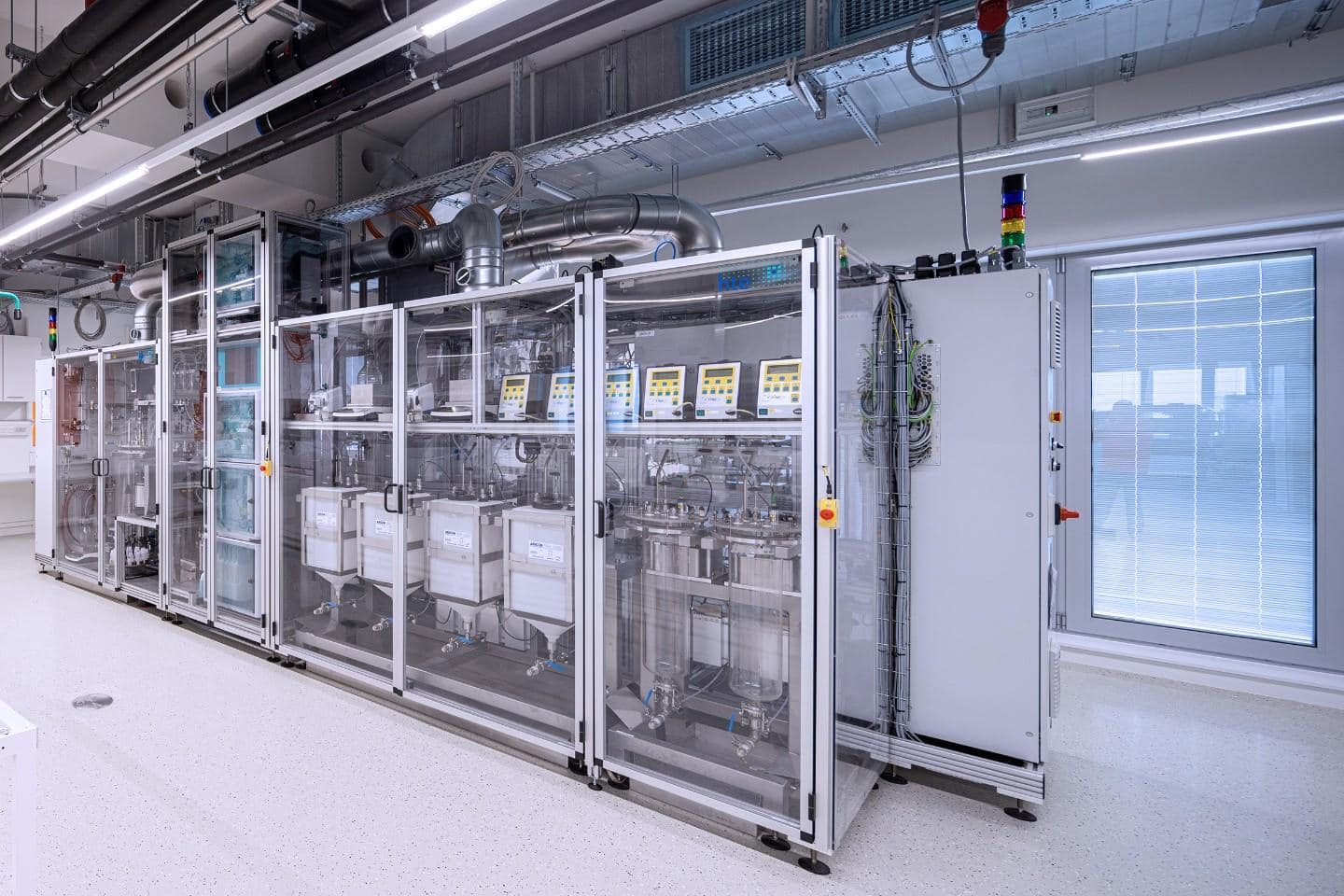
Advanced materials include high-performance polymers, solid-state battery components, semiconductor substrates, lightweight composites and catalysts. Europe produces plenty of research in these areas. The weak link is the middle step, where a company must build a pilot line that costs tens of millions of euros before any customer will sign a contract.

Today that step often happens abroad. Developers take a European patent to a country that offers cheaper energy, faster permits and direct subsidy. The Commission wants the Advanced Materials Act to shorten permitting for pilot facilities and to give investors a clearer map of which projects deserve public backing.

Who pays for scale-up under the new rules

Funding is the hard question. According to the planned agenda, the money would come from the European Competitiveness Fund, which the Council and Parliament are still negotiating as part of the 2028 to 2034 budget talks. The industry committee in Parliament has scheduled a vote on its compromise text for 10 November, so the fund’s final shape remains open.

That dependency makes the Advanced Materials Act a legislative promise with an unfinished price tag. A text that names pilot plants as a priority has little force if the fund behind it shrinks. Companies will therefore read the proposal for two things: whether it creates binding permitting deadlines, and whether it ring-fences any money for materials.

How it connects to other tech sovereignty files

The act arrives after a busy year of industrial legislation. In June 2026 the Commission proposed a Chips Act 2.0 and a Cloud and AI Development Act as part of its technology sovereignty package. The RESourceEU plan has already put stockpiles and scrap export limits on the table for critical raw materials. Advanced materials sit between these files, because every chip, battery and magnet depends on a specialised material.

The same College meeting is expected to carry other industrial proposals, which suggests Brussels wants to present a coherent package rather than a series of separate acts. The Advanced Materials Act will face its coherence test in the detail. If each act sets its own definitions, permitting clocks and reporting duties, firms will face more complexity, not less, which cuts against the Commission’s simplification drive.

What happens next

If the College adopts the text on 18 November, the Advanced Materials Act moves to Parliament and the Council, where the first fights will likely focus on state aid, environmental review of new plants and the role of national authorities. Smaller member states with few chemical clusters may ask for access to funding on equal terms.

The final measure of success will be simple. Europe needs more pilot lines that turn into full-scale plants on European soil, and the Advanced Materials Act will succeed only if it delivers faster permits and real money together.