November 8, 2026
LATEST
Rape Definition Gap Persists Two Years After EU DirectiveBanking Competitiveness Report Vote Slips To 1 DecemberUkraine Accession Clusters Four And Five Stay Shut After Hungary DealEU Steel Measure Caps Tariff-Free Imports At 18.3 Million TonnesAI Act Omnibus Sets 2 December Deadline For Deepfake WatermarksTürkiye EU Report Row Clouds Customs Union Upgrade HopesWestern Balkans Roaming Talks Test Brussels Integration PledgeRail Ticketing Package Reaches Ministers With Gaps OpenMarket Integration Package Narrows As ESMA Powers ShrinkWolf Protection Rules Meet Sweden’s 72-Wolf Hunt TestPay Transparency Directive Deadline Passes With Only Four States ReadyHolding Cap Fight Shadows Digital Euro Law Ahead Of Council TalksCBAM Expansion Talks Test Whether Finished Goods Face Carbon LevyIsraeli Settlement Imports Ban Splits Commission And CouncilUnlimited Pesticide Approvals Face Public Rejection In PollMethane Import Rules Delayed A Year With Review ClauseSustainable Tourism Strategy Hands Europe A Toolbox For Crowded CitiesPharma Package Heads To Parliament After Council Backs Drug ReformRussia Sanctions Alignment Pulls Nine Partners Into Arms ListingsBrazil Farm Exports Jump 14.8 Percent Under EU Mercosur Trade DealRape Definition Gap Persists Two Years After EU DirectiveBanking Competitiveness Report Vote Slips To 1 DecemberUkraine Accession Clusters Four And Five Stay Shut After Hungary DealEU Steel Measure Caps Tariff-Free Imports At 18.3 Million TonnesAI Act Omnibus Sets 2 December Deadline For Deepfake WatermarksTürkiye EU Report Row Clouds Customs Union Upgrade HopesWestern Balkans Roaming Talks Test Brussels Integration PledgeRail Ticketing Package Reaches Ministers With Gaps OpenMarket Integration Package Narrows As ESMA Powers ShrinkWolf Protection Rules Meet Sweden’s 72-Wolf Hunt TestPay Transparency Directive Deadline Passes With Only Four States ReadyHolding Cap Fight Shadows Digital Euro Law Ahead Of Council TalksCBAM Expansion Talks Test Whether Finished Goods Face Carbon LevyIsraeli Settlement Imports Ban Splits Commission And CouncilUnlimited Pesticide Approvals Face Public Rejection In PollMethane Import Rules Delayed A Year With Review ClauseSustainable Tourism Strategy Hands Europe A Toolbox For Crowded CitiesPharma Package Heads To Parliament After Council Backs Drug ReformRussia Sanctions Alignment Pulls Nine Partners Into Arms ListingsBrazil Farm Exports Jump 14.8 Percent Under EU Mercosur Trade Deal

2035 Car CO2 Target Eased To 87.5 percent After Committee Vote

Brussels: The 2035 car CO2 target moved a step closer to a softer form on 4 November 2026, when Parliament’s Environment Committee voted 48 to 30, with 2 abstentions, to cut the requirement for new cars from 100 percent to 87.5 percent. The vote sets Parliament’s negotiating line before talks with EU governments and reopens the central question of the Union’s climate and industrial strategy for road transport.

What the committee actually agreed on the 2035 car CO2 target

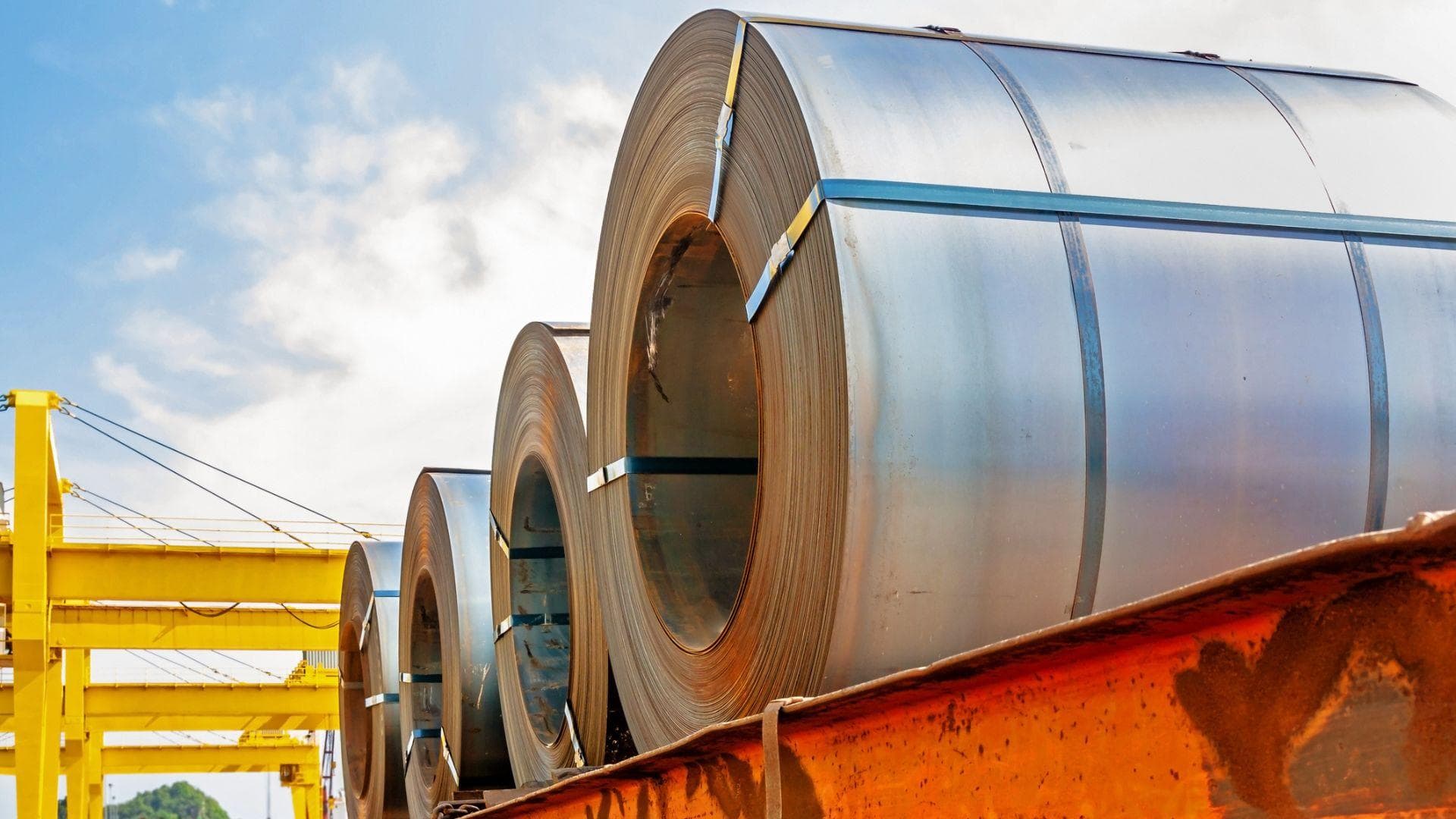
The compromise, steered by rapporteur Massimiliano Salini of the European People’s Party, lowers the 2035 fleet reduction for cars to 87.5 percent. Manufacturers may close the remaining 7.5 percent gap with credits for EU-made low-carbon steel. For vans, the 2035 requirement falls from 100 percent to 80 percent, and the 2030 van milestone is set at 35 percent, compared with 40 percent in the Commission proposal and 50 percent under the current rules.

The text also limits how fast carmakers can lean on the steel credits. They may cover no more than 3 percent of compliance until the end of 2034, for cars and vans alike. For the 2035 car CO2 target, that cap matters, because it stops the credit from replacing real fleet decarbonisation in the next eight years.

Super-credits steer the market toward small European EVs

The committee did not only soften the headline number. It added multipliers that reward specific products. EU-made small electric cars up to 4.2 metres long count as 1.4 vehicles, and highly efficient EU-made electric cars count as 1.2. Social leasing schemes add a further 0.1 to each multiplier. EU-made battery-electric vans count as 1.2 until the end of 2034 and as 1.4 from 2035.

The 2035 car CO2 target thus becomes an industrial policy tool as well as a climate rule. Small, affordable electric cars are the segment where Chinese brands compete hardest on price, and the multipliers give European manufacturers a compliance advantage for building them at home. Whether that protects jobs or simply shifts costs onto consumers depends on how many such models reach showrooms before 2030.

Fuels and the zero-emission definition

A second change concerns fuels. Under the committee text, vehicles running exclusively on eligible renewable or low-carbon fuels would count as zero-emission vehicles. Supporters present this as technology neutrality. Critics fear it keeps combustion engines alive on the strength of fuels that remain scarce and expensive, and the text so far gives little detail on how supply would be verified.

The 2035 car CO2 target also matters for charging infrastructure. If buyers believe combustion cars retain a long future, investment in public chargers and grid upgrades may slow, which would in turn make electric cars less attractive. Regulation and infrastructure support each other, and a signal that blurs one weakens the other.

Winners, losers and the political read

The 48 to 30 margin shows a majority around the compromise, yet nearly a third of the committee opposed it, and the Parliament plenary will be a closer test. Environmental groups argue that a lower 2035 car CO2 target undermines investment certainty for companies that already committed capital to electrification. Industry groups counter that a flexible path protects suppliers and workers during a slow demand recovery.

Both camps can point to evidence on the 2035 car CO2 target. Manufacturers that moved early gain from certainty, while those with heavy combustion portfolios gain from flexibility. A lasting regulation should avoid rewarding the second group at the expense of the first.

What happens next

Parliament’s negotiating mandate is expected at the December 2026 plenary, after which talks with EU governments begin. The Council’s position on the steel credit and the fuel definition will be the main points of friction. A final text is unlikely before early 2027, so carmakers will plan product cycles under uncertainty for several more months.

The committee vote has not ended the argument. It has defined the terms of it: an 87.5 percent 2035 car CO2 target, with credits and multipliers that steer European industry, and a plenary vote that will show how far that compromise can travel.