Etterbeek: Greenwashing rules in the European Union will now rest on a single legal pillar after the Commission confirmed it will withdraw the Green Claims Directive. The move, listed in Annex III of the 2027 work programme published on 4 November, ends a proposal that had sat with the co-legislators since March 2023. Companies, however, gain less relief than the headlines suggest.
Why the Commission dropped the Green Claims Directive
The Commission tabled the directive on 22 March 2023 to force companies to substantiate environmental claims and to have independent verifiers check them before use. Its own background research had found that 53% of green claims examined in the EU were vague, misleading or unfounded, that 40% had no supporting evidence, and that the market carried about 230 sustainability labels.
The file stalled in 2025. The Commission signalled in June 2025 that it intended to withdraw the text, citing the burden on some 30 million micro-enterprises that negotiators wanted to bring into scope. The Polish Council Presidency then called off the trilogue planned for 23 June. Italy told the Presidency it backed withdrawal, and EPP shadow rapporteurs had already written to Environment Commissioner Jessika Roswall warning of overly complex procedures.
The work programme now states that the dossier has waited more than three years and is unlikely to win Council support within a reasonable timeframe. Withdrawal takes effect within six months, and the proposal remains formally pending until then.
Greenwashing rules that already apply since September
The real story is which greenwashing rules stay. Directive (EU) 2024/825 on empowering consumers for the green transition has applied since 27 September 2026. It amends the Unfair Commercial Practices Directive and adds new items to its blacklist of practices banned in all circumstances.
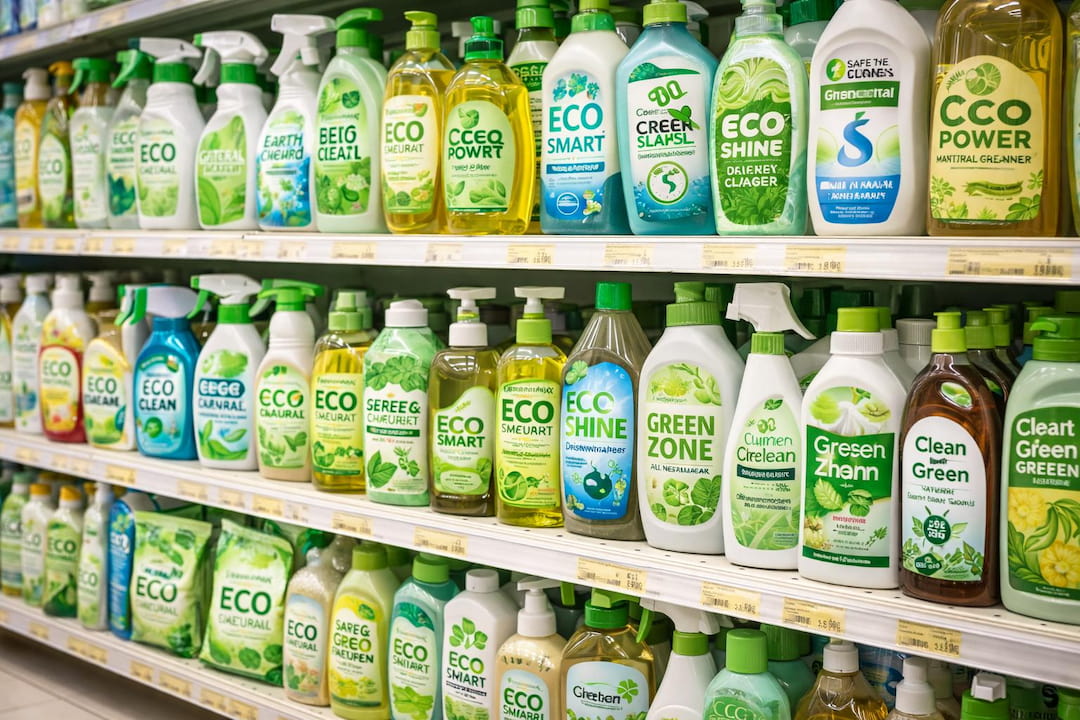
Under the new text, traders can no longer use generic claims such as eco-friendly, green or biodegradable unless they can demonstrate recognised excellent environmental performance, for example through the EU Ecolabel. The directive bans outright any claim that a product is climate neutral or has a reduced impact because of carbon offsetting. New sustainability labels must rest on a certification scheme with independent monitoring or come from public authorities.
Enforcement shifts to national authorities
Without the Green Claims Directive, no harmonised pre-approval system will exist. Instead, national consumer authorities enforce the greenwashing rules after the fact, and the Consumer Protection Cooperation network coordinates cross-border cases. The network has offered a non-binding phased approach for existing stock, and authorities expect to scrutinise online claims first.
This model places a heavier load on regulators and courts. Penalties depend on how each member state transposed the Unfair Commercial Practices Directive, so a claim one capital tolerates may draw a fine in another. Law firms advising clients already expect demand for Commission guidance to rise.
Who wins and who loses from the withdrawal
Business groups that lobbied against mandatory verification win a clear procedural victory. Small firms avoid the cost of hiring accredited verifiers for every claim. Yet large brands lose the legal certainty that pre-approved claims would have given them under common greenwashing rules across all 27 markets.
Environmental organisations see a setback for stricter greenwashing rules. ClientEarth had called a withdrawal highly unorthodox, and ECOS, the EEB and Carbon Market Watch had urged negotiators to finish the job. The Court of Justice has confirmed that the Commission may withdraw a proposal if it states its reasons, which leaves Parliament limited room to contest the decision.
What happens next
Companies should audit their environmental marketing now rather than wait for guidance. The greenwashing rules in force since September already ban the claims most likely to mislead, and enforcement will intensify as authorities build case law. The Green Claims Directive may disappear, but the duty to prove what a label promises does not.