November 23, 2026
LATEST
Dutch Chip Equipment Export Curbs Cloud the EU-China Trade ThawCanada’s Associate Membership Model Tempts Japan, Korea and AustraliaAustralia Seals Horizon Europe Association as Trade Deal StallsChinese Overcapacity Fight Needs Horizontal Trade Tools, MEPs InsistCernavodă Nuclear Plant Overhaul Gets €400 Million EIB BoostGrounded Flights Mark Belgium National Strike on MondayArmenian Researchers Triple Their Horizon Europe Haul to €10.78mMultimodal Booking Rules Face a Blocking Minority Before 30 NovemberGrid Permitting Deal Caps Rooftop Solar Approvals at Three MonthsWinter Relief for Ukraine Leans on Generators, Buses and BridgesBlack Sea Security Hub Draws €50 Million From a Ten-Partner TableEDPS Europol Ruling Denies Privacy Watchdog Standing to SueUnpaid Carers Await a European Care Deal Promised for 2027Second EU-UK Summit Seals Food, Carbon and Youth PactsDigital Markets Act Compliance Is Cosmetic, BEUC Warns GatekeepersBanking Competitiveness Report Heads to a 1 December ECON ShowdownAviation Emissions Trading Plan Meets Gulf Pushback at ICAO MontrealEPPO Powers Expansion Wins Backing in Joint Committee VoteOceanEye Alliance Reaches 33 Members After COP31 PushRussian Athletes Divide EU Sport Ministers Over Visa CurbsDutch Chip Equipment Export Curbs Cloud the EU-China Trade ThawCanada’s Associate Membership Model Tempts Japan, Korea and AustraliaAustralia Seals Horizon Europe Association as Trade Deal StallsChinese Overcapacity Fight Needs Horizontal Trade Tools, MEPs InsistCernavodă Nuclear Plant Overhaul Gets €400 Million EIB BoostGrounded Flights Mark Belgium National Strike on MondayArmenian Researchers Triple Their Horizon Europe Haul to €10.78mMultimodal Booking Rules Face a Blocking Minority Before 30 NovemberGrid Permitting Deal Caps Rooftop Solar Approvals at Three MonthsWinter Relief for Ukraine Leans on Generators, Buses and BridgesBlack Sea Security Hub Draws €50 Million From a Ten-Partner TableEDPS Europol Ruling Denies Privacy Watchdog Standing to SueUnpaid Carers Await a European Care Deal Promised for 2027Second EU-UK Summit Seals Food, Carbon and Youth PactsDigital Markets Act Compliance Is Cosmetic, BEUC Warns GatekeepersBanking Competitiveness Report Heads to a 1 December ECON ShowdownAviation Emissions Trading Plan Meets Gulf Pushback at ICAO MontrealEPPO Powers Expansion Wins Backing in Joint Committee VoteOceanEye Alliance Reaches 33 Members After COP31 PushRussian Athletes Divide EU Sport Ministers Over Visa Curbs

Second EU-UK Summit Seals Food, Carbon and Youth Pacts

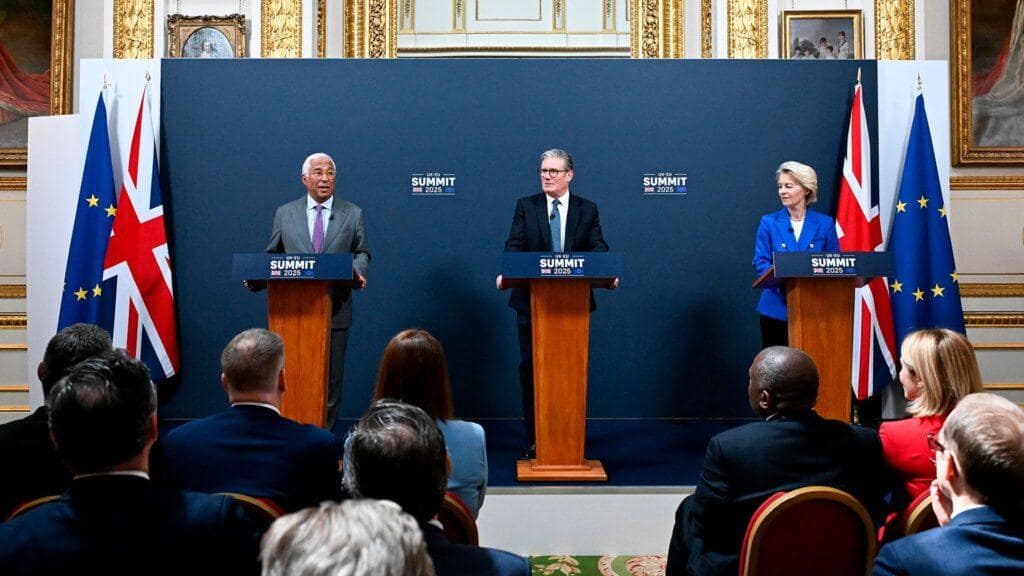
The second EU-UK summit, held on 20 November 2026, turned a year of cautious rapprochement into three concrete agreements on food trade, carbon pricing and youth mobility. Prime Minister Andy Burnham sat down with European Council President António Costa and Commission President Ursula von der Leyen to sign off a joint statement that builds on the Common Understanding agreed in May 2025. Both sides now face the harder job of turning political commitments into legal texts.

The most tangible EU-UK summit result concerns food and drink. London and the Union agreed a common sanitary and phytosanitary area based on dynamic alignment with EU rules, which removes routine border checks and most export certificates on animal and plant products. British officials project gains of up to £5.1 billion a year by 2040, and the deal also eases trade between Great Britain and Northern Ireland and restores multi-use pet passports.

Carbon markets form the second pillar of the EU-UK summit package. The leaders agreed to link the UK Emissions Trading Scheme with the EU ETS, targeting an operational date of 1 January 2028. Linkage matters because it would exempt roughly £6.5 billion of British exports from the EU Carbon Border Adjustment Mechanism, a cost that steel and chemicals producers had feared since the levy began to bite.

The third agreement, a capped Youth Experience Scheme, carries the most political symbolism. Up to 100,000 people under 31 from each side could live, work and study abroad for up to three years each year, without access to public benefits. Implementation will come later in the decade, and the scheme leaves the question of university tuition fees unresolved.

That gap explains why the EU-UK summit stopped short of a full reset. Negotiators now have six months to decide whether EU students receive home fee status in British universities, an issue several member states treat as a test of reciprocity. Until they settle it, parts of the mobility package cannot enter into force.

Security cooperation runs through the rest of the EU-UK summit statement. The two sides agreed a structured dialogue on migration, closer coordination on the Channel Action Plan against smuggling networks and deeper intelligence links involving Europol and Frontex. They also opened exploratory talks on return hubs in third countries, a sensitive topic that civil liberties groups on both sides of the Channel will watch closely.

Energy and technology complete the agenda. Talks on British participation in the EU internal electricity market should conclude in 2027, and a new Digital Partnership will cover artificial intelligence and online safety. Officials will review supply chain resilience in steel and electric vehicles every four months, a nod to shared worries about Chinese overcapacity.

Burnham used the occasion to call Brexit a failure and to ask for a better deal, citing Treasury estimates that the combined measures could lift UK output by up to 0.5%. Von der Leyen struck a more measured tone, arguing that each summit grows the partnership and that the 2025 London agenda is now being delivered. The contrast reveals how domestic politics in Britain now pull toward Europe faster than Brussels is willing to move.

The Commission remains wary of cherry-picking. Access to Made in Europe industrial provisions for cars and batteries stays tied to regulatory alignment, including on restrictions affecting Chinese electric vehicles. The Union wants a closer partner, but it will not trade away single market integrity for goodwill.

For businesses, the 2026 EU-UK summit offers a clearer timeline rather than immediate relief. Food exporters, emissions-intensive industries and universities should prepare for legal texts in 2027 and staggered start dates through 2028. If the tuition fee talks succeed within six months, the next EU-UK summit could mark the moment this partnership moves from repair to genuine expansion.