November 23, 2026
LATEST
Dutch Chip Equipment Export Curbs Cloud the EU-China Trade ThawCanada’s Associate Membership Model Tempts Japan, Korea and AustraliaAustralia Seals Horizon Europe Association as Trade Deal StallsChinese Overcapacity Fight Needs Horizontal Trade Tools, MEPs InsistCernavodă Nuclear Plant Overhaul Gets €400 Million EIB BoostGrounded Flights Mark Belgium National Strike on MondayArmenian Researchers Triple Their Horizon Europe Haul to €10.78mMultimodal Booking Rules Face a Blocking Minority Before 30 NovemberGrid Permitting Deal Caps Rooftop Solar Approvals at Three MonthsWinter Relief for Ukraine Leans on Generators, Buses and BridgesBlack Sea Security Hub Draws €50 Million From a Ten-Partner TableEDPS Europol Ruling Denies Privacy Watchdog Standing to SueUnpaid Carers Await a European Care Deal Promised for 2027Second EU-UK Summit Seals Food, Carbon and Youth PactsDigital Markets Act Compliance Is Cosmetic, BEUC Warns GatekeepersBanking Competitiveness Report Heads to a 1 December ECON ShowdownAviation Emissions Trading Plan Meets Gulf Pushback at ICAO MontrealEPPO Powers Expansion Wins Backing in Joint Committee VoteOceanEye Alliance Reaches 33 Members After COP31 PushRussian Athletes Divide EU Sport Ministers Over Visa CurbsDutch Chip Equipment Export Curbs Cloud the EU-China Trade ThawCanada’s Associate Membership Model Tempts Japan, Korea and AustraliaAustralia Seals Horizon Europe Association as Trade Deal StallsChinese Overcapacity Fight Needs Horizontal Trade Tools, MEPs InsistCernavodă Nuclear Plant Overhaul Gets €400 Million EIB BoostGrounded Flights Mark Belgium National Strike on MondayArmenian Researchers Triple Their Horizon Europe Haul to €10.78mMultimodal Booking Rules Face a Blocking Minority Before 30 NovemberGrid Permitting Deal Caps Rooftop Solar Approvals at Three MonthsWinter Relief for Ukraine Leans on Generators, Buses and BridgesBlack Sea Security Hub Draws €50 Million From a Ten-Partner TableEDPS Europol Ruling Denies Privacy Watchdog Standing to SueUnpaid Carers Await a European Care Deal Promised for 2027Second EU-UK Summit Seals Food, Carbon and Youth PactsDigital Markets Act Compliance Is Cosmetic, BEUC Warns GatekeepersBanking Competitiveness Report Heads to a 1 December ECON ShowdownAviation Emissions Trading Plan Meets Gulf Pushback at ICAO MontrealEPPO Powers Expansion Wins Backing in Joint Committee VoteOceanEye Alliance Reaches 33 Members After COP31 PushRussian Athletes Divide EU Sport Ministers Over Visa Curbs

Winter Relief for Ukraine Leans on Generators, Buses and Bridges

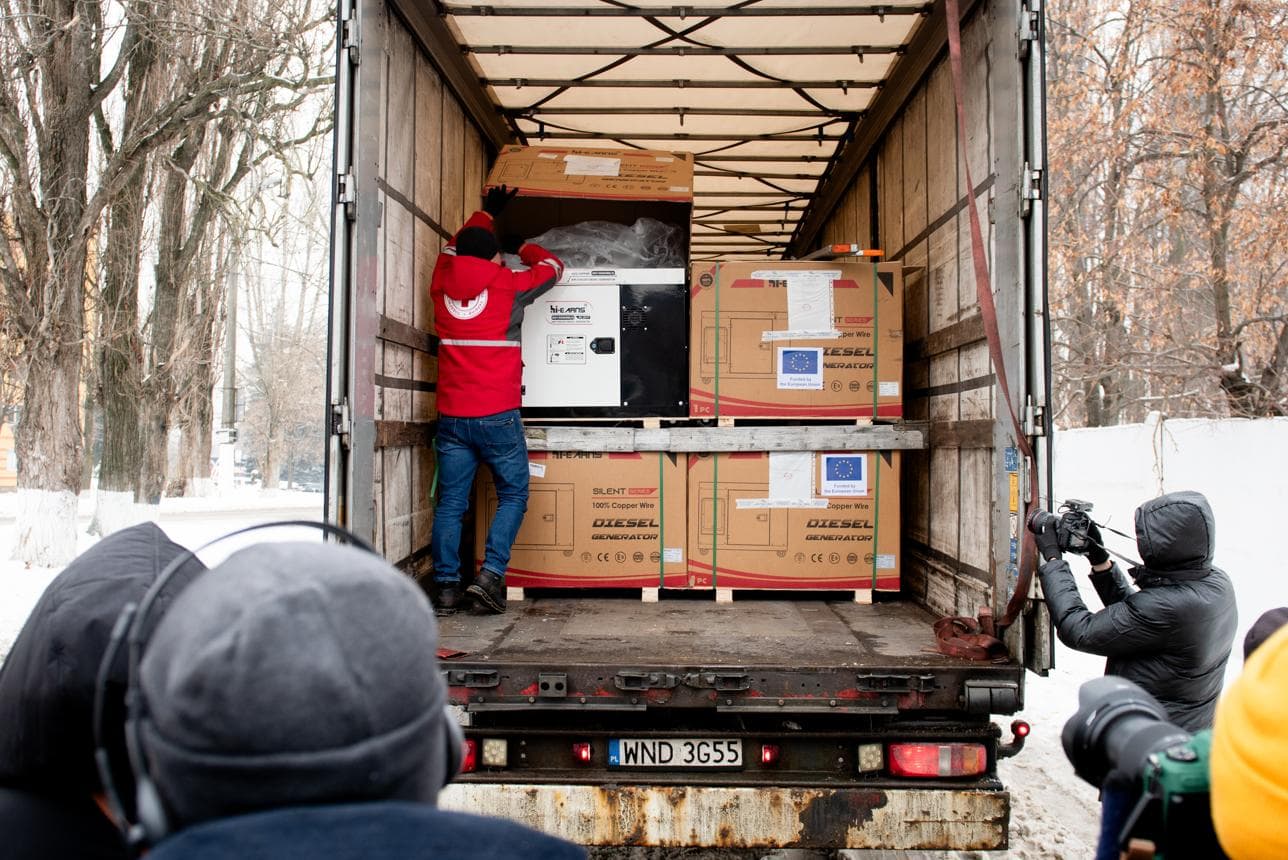
Ukraine: Winter relief for Ukraine took a concrete shape on 16 November 2026, when Commissioner Hadja Lahbib announced that the European Union will send 500 generators, 200 buses and four modular bridges to keep the country running through the cold months. France is providing the buses and Norway the bridges, while the EU will also help Ukrainian authorities arrange shelters for people who lose heat and power.

Lahbib, who holds the preparedness and crisis management portfolio, spoke ahead of the Foreign Affairs Council in Brussels. Her diagnosis was blunt. Russia, she said, systematically targets Ukraine’s energy and water infrastructure, and she summed up the strategy in a single sentence: “They want to freeze Ukraine into submission.”

This round of winter relief for Ukraine followed a week of rapid coordination. Commission and Ukrainian officials met on 9 November to list urgent needs after fresh strikes on critical infrastructure, and Lahbib held calls with Prime Minister Serhii Koretskyi. President Volodymyr Zelenskyy said the same day that he and Commission President Ursula von der Leyen had agreed to activate a special EU emergency mechanism.

The delivery channel is the Union Civil Protection Mechanism, and that choice shapes the whole effort. The mechanism lets member states and participating countries such as Norway offer equipment, which the EU then coordinates, transports and co-finances. Commission spokesperson Eva Hrncirova said Brussels had even dismantled an entire power plant to ship to Ukraine for reassembly, a sign of how far winter relief for Ukraine has moved beyond blankets and food parcels.

The money behind winter relief for Ukraine is substantial. The EU has allocated nearly €1.5 billion in humanitarian aid to Ukraine since the full-scale invasion began, and a further €52 million in September lifted the 2026 total above €200 million. National donors add their own layers, from Slovakia’s €1 million for generators, shelters and medical equipment to bilateral reconstruction pledges.

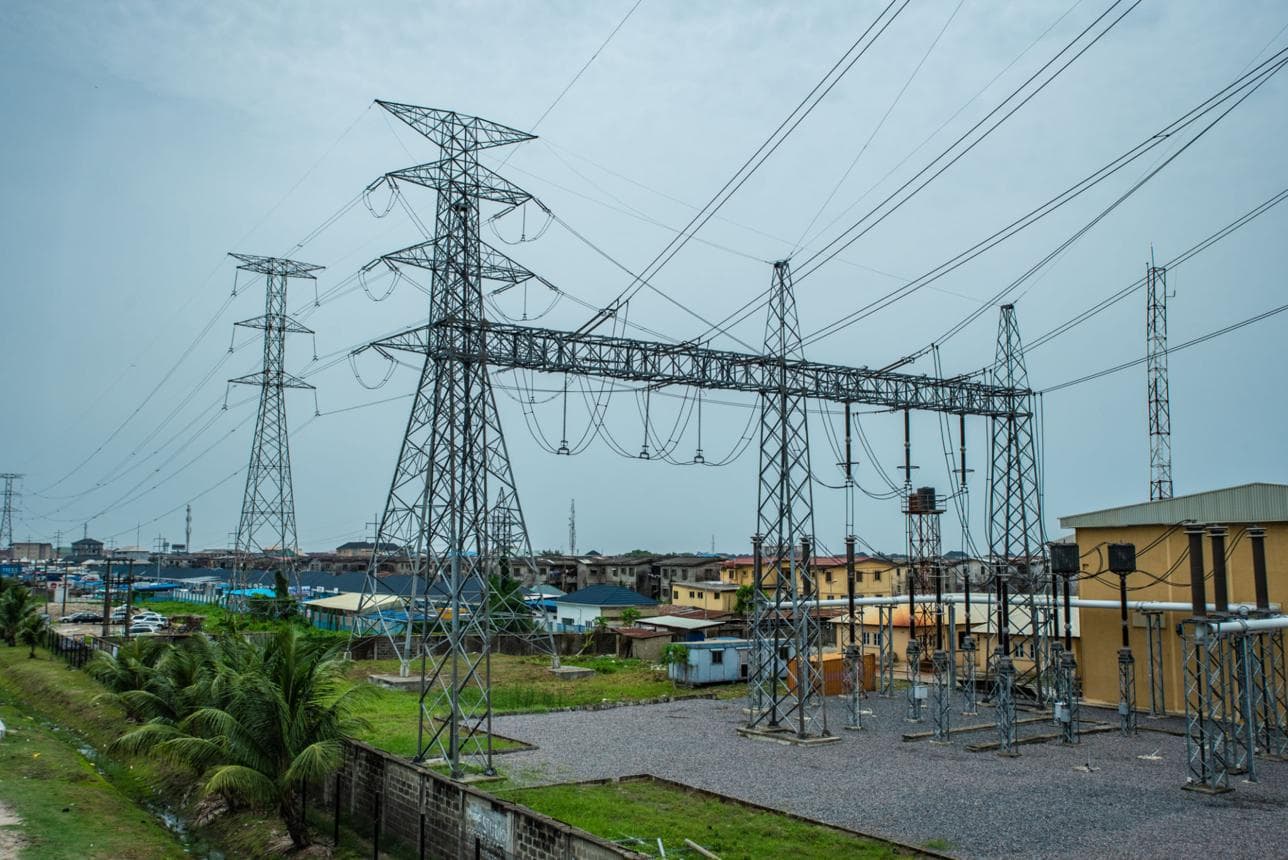
Each item answers a specific weakness. Generators keep hospitals, water pumps and heating points alive when substations go dark. Buses move people out of frontline towns and replace transport links that missile strikes cut. Modular bridges restore crossings for ambulances and supply trucks within days, rather than the months a permanent structure would need.

Yet winter relief for Ukraine cannot solve the underlying problem on its own. A generator protects a clinic, but only air defence protects the grid. Lahbib acknowledged as much when she listed bilateral agreements to fill gaps in Ukraine’s air defence among her priorities, alongside civil protection solidarity and safer shipping in the Black Sea.

That linkage is the most important part of her message. Brussels has long kept humanitarian aid separate from military support, partly for legal reasons and partly to protect neutral humanitarian principles. In Ukraine the line blurs, because every successful strike on a power plant creates new civil protection needs, and every intercepted missile saves the EU money it would otherwise spend on repairs and emergency kit.

Speed now matters more than headline figures in winter relief for Ukraine. The Commission has given no public delivery dates for the generators, buses and bridges, and the coldest weeks usually arrive in January. Ukrainian officials will judge the package by how many units reach regional hospitals and water utilities before then, not by the announcement.

For the EU, the episode tests whether its crisis tools can work at wartime tempo. If winter relief for Ukraine arrives quickly and reaches the towns most exposed to strikes, it will show that the Civil Protection Mechanism can sustain a country under attack. If it stalls in logistics, Moscow’s strategy of freezing Ukrainians into despair will have found a gap that money alone cannot close.