November 20, 2026
LATEST
Bank Account Information Gaps Put Estonia and Sweden on OLAF NoticeTwelve Capitals Get Fresh Single European Sky Warnings From Brussels2027 EU Budget Deal Faces Final Council and Parliament Votes Next WeekIndustrial Accelerator Act Mandates Slip Into DecemberMontenegro Accession Talks Close 25 of 33 ChaptersPosted Workers E-Declaration Clears Final Council HurdleAircraft Identification Gap Sends Greece Before the EU CourtArticle 255 Panel Flags Nine Unfit EU Court Nominees in Four YearsMoyale Refugee Crisis Draws €550,000 in EU Aid at the Kenyan FrontierMyanmar Genocide Ruling Tests How Far the EU Will Go for the RohingyaMarcos Keeps the EU-Philippines Trade Deal Alive After Trump’s VisitSenate Arithmetic Puts the EU-Australia Trade Deal at RiskKyiv Embassy Strikes Draw a Summons for Moscow’s Envoy to BrusselsTrump Xi Putin Summit Puts Europe on the Outside in ShenzhenOutermost Regions Strategy Takes Article 349 to EU MinistersCircular Economy Act Slips Again as Recyclers Demand ClarityMissing EUDR Competent Authorities Put Four Member States on NoticeElectricity Market Design Gaps Bring Legal Warnings for Three StatesPension Fund Taxation Rules in Eight States Draw EU Legal ActionIranian Strikes on Kuwait Expose Europe’s Thin Gulf Security RoleBank Account Information Gaps Put Estonia and Sweden on OLAF NoticeTwelve Capitals Get Fresh Single European Sky Warnings From Brussels2027 EU Budget Deal Faces Final Council and Parliament Votes Next WeekIndustrial Accelerator Act Mandates Slip Into DecemberMontenegro Accession Talks Close 25 of 33 ChaptersPosted Workers E-Declaration Clears Final Council HurdleAircraft Identification Gap Sends Greece Before the EU CourtArticle 255 Panel Flags Nine Unfit EU Court Nominees in Four YearsMoyale Refugee Crisis Draws €550,000 in EU Aid at the Kenyan FrontierMyanmar Genocide Ruling Tests How Far the EU Will Go for the RohingyaMarcos Keeps the EU-Philippines Trade Deal Alive After Trump’s VisitSenate Arithmetic Puts the EU-Australia Trade Deal at RiskKyiv Embassy Strikes Draw a Summons for Moscow’s Envoy to BrusselsTrump Xi Putin Summit Puts Europe on the Outside in ShenzhenOutermost Regions Strategy Takes Article 349 to EU MinistersCircular Economy Act Slips Again as Recyclers Demand ClarityMissing EUDR Competent Authorities Put Four Member States on NoticeElectricity Market Design Gaps Bring Legal Warnings for Three StatesPension Fund Taxation Rules in Eight States Draw EU Legal ActionIranian Strikes on Kuwait Expose Europe’s Thin Gulf Security Role

Single EU Sanctions Office Takes Shape for a January Launch

The European Commission formally created the EU Sanctions Office on Wednesday 18 November, a new body that will open its doors on 16 January 2027 and gather the bloc’s scattered enforcement work into a single structure. The decision answers a complaint that diplomats and compliance officers have voiced since 2022: Europe writes ambitious sanctions packages, yet nobody in the Commission owns the whole chain from design to policing.

That fragmentation is real. Sanctions work currently sits across DG FISMA, DG TAXUD, DG TRADE, the Secretariat-General and the office of the special envoy, with between 40 and 45 officials working on the file, several of them part-time. The EU Sanctions Office will absorb those functions, draw in expertise from OLAF, and grow to an expected 50 to 60 staff organised in three units covering policy design, implementation and enforcement.

The EU Sanctions Office will sit inside the Secretariat-General under the political responsibility of Commissioner Maria Luís Albuquerque, who also holds the financial services and Savings and Investments Union portfolio. That pairing is deliberate. Much of the evasion that has blunted Russia measures runs through banks, payment channels and trade finance, so placing sanctions next to financial supervision gives Brussels a clearer line of sight into the money.

Personnel changes arrive alongside the structural ones. Lars Danielsson, Sweden’s former ambassador and permanent representative to the EU from 2016 to 2023, will become International Special Envoy for the Implementation of EU Sanctions on 6 February 2027. He replaces David O’Sullivan, whose outreach to third countries helped close several transit routes used to move Western components to Russia. Danielsson will report directly to Albuquerque and draw administrative and logistical support from the new office.

The scale of the task explains the urgency. The EU has adopted 21 sanctions packages since Russia’s full-scale invasion of Ukraine, alongside regimes targeting Belarus, Iran, North Korea, Syria, hybrid threats and organised crime. Each package adds listings, export bans and anti-circumvention clauses, yet national authorities still enforce them unevenly. Member states have long asked for faster compliance guidance, shared data and consistent technical analysis, and the Commission now promises all three.

The EU Sanctions Office will also run the sanctions data-exchange system and manage the blocking statute, the EU law that shields European firms from the extraterritorial reach of foreign sanctions. It will serve as the main Commission contact for the European External Action Service and lead outreach to partners, above all the G7 economies that coordinate Russia measures with Europe.

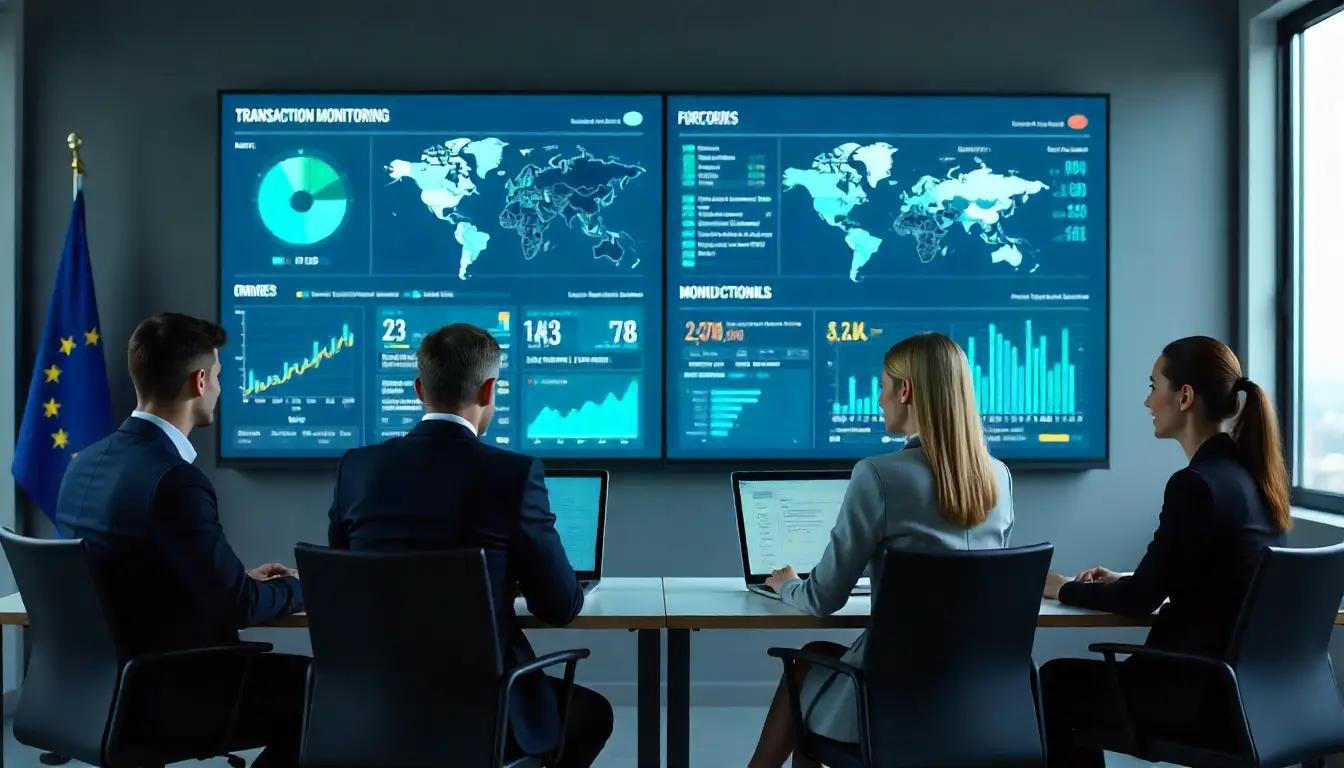
For economic security, this matters beyond Moscow. Sanctions have become one of Europe’s main tools for protecting critical technologies and supply chains, and their credibility depends on enforcement rather than announcements. A dedicated EU Sanctions Office can spot patterns in trade data, flag suspicious re-exports through third countries and give companies one address for questions.

Questions remain. Fifty or sixty officials is a modest team for a union of 27 customs and financial authorities, and enforcement powers stay largely national. The EU Sanctions Office can coordinate, analyse and advise, but member states still prosecute violations, and their appetite for penalties varies widely.

Even so, the EU Sanctions Office marks a shift from drafting measures toward policing them. Its first test will come quickly after January, as the Commission prepares further Russia packages and partners watch whether a single structure can finally narrow the gap between what Europe bans and what still slips through.