November 20, 2026
LATEST
Bank Account Information Gaps Put Estonia and Sweden on OLAF NoticeTwelve Capitals Get Fresh Single European Sky Warnings From Brussels2027 EU Budget Deal Faces Final Council and Parliament Votes Next WeekIndustrial Accelerator Act Mandates Slip Into DecemberMontenegro Accession Talks Close 25 of 33 ChaptersPosted Workers E-Declaration Clears Final Council HurdleAircraft Identification Gap Sends Greece Before the EU CourtArticle 255 Panel Flags Nine Unfit EU Court Nominees in Four YearsMoyale Refugee Crisis Draws €550,000 in EU Aid at the Kenyan FrontierMyanmar Genocide Ruling Tests How Far the EU Will Go for the RohingyaMarcos Keeps the EU-Philippines Trade Deal Alive After Trump’s VisitSenate Arithmetic Puts the EU-Australia Trade Deal at RiskKyiv Embassy Strikes Draw a Summons for Moscow’s Envoy to BrusselsTrump Xi Putin Summit Puts Europe on the Outside in ShenzhenOutermost Regions Strategy Takes Article 349 to EU MinistersCircular Economy Act Slips Again as Recyclers Demand ClarityMissing EUDR Competent Authorities Put Four Member States on NoticeElectricity Market Design Gaps Bring Legal Warnings for Three StatesPension Fund Taxation Rules in Eight States Draw EU Legal ActionIranian Strikes on Kuwait Expose Europe’s Thin Gulf Security RoleBank Account Information Gaps Put Estonia and Sweden on OLAF NoticeTwelve Capitals Get Fresh Single European Sky Warnings From Brussels2027 EU Budget Deal Faces Final Council and Parliament Votes Next WeekIndustrial Accelerator Act Mandates Slip Into DecemberMontenegro Accession Talks Close 25 of 33 ChaptersPosted Workers E-Declaration Clears Final Council HurdleAircraft Identification Gap Sends Greece Before the EU CourtArticle 255 Panel Flags Nine Unfit EU Court Nominees in Four YearsMoyale Refugee Crisis Draws €550,000 in EU Aid at the Kenyan FrontierMyanmar Genocide Ruling Tests How Far the EU Will Go for the RohingyaMarcos Keeps the EU-Philippines Trade Deal Alive After Trump’s VisitSenate Arithmetic Puts the EU-Australia Trade Deal at RiskKyiv Embassy Strikes Draw a Summons for Moscow’s Envoy to BrusselsTrump Xi Putin Summit Puts Europe on the Outside in ShenzhenOutermost Regions Strategy Takes Article 349 to EU MinistersCircular Economy Act Slips Again as Recyclers Demand ClarityMissing EUDR Competent Authorities Put Four Member States on NoticeElectricity Market Design Gaps Bring Legal Warnings for Three StatesPension Fund Taxation Rules in Eight States Draw EU Legal ActionIranian Strikes on Kuwait Expose Europe’s Thin Gulf Security Role

EUROGUARD Semi-Autonomous Vessel Puts Baltic Cables on Watch

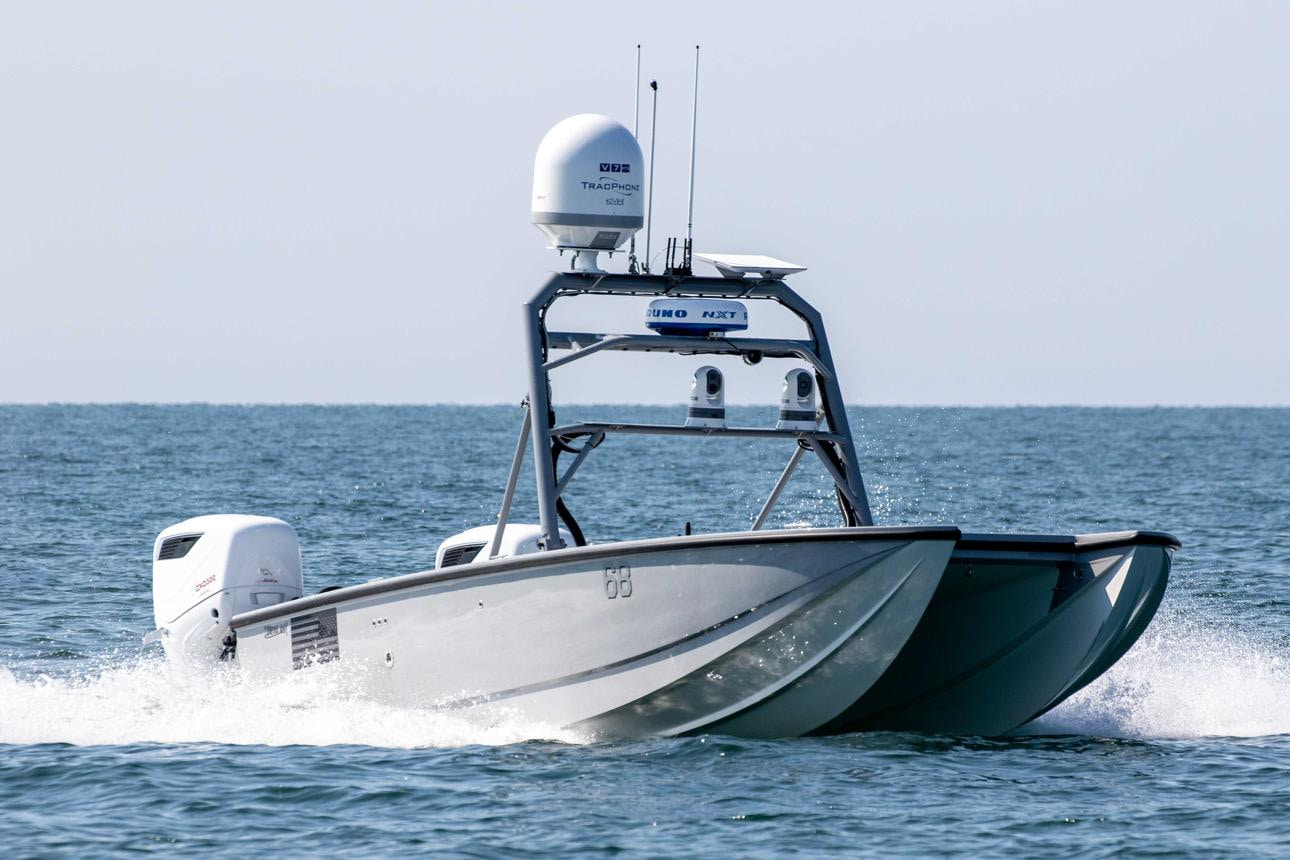
The European Commission on Wednesday 18 November presented the EUROGUARD semi-autonomous vessel at the Baltic Workboats shipyard in Nasva, on the Estonian island of Saaremaa, offering a first look at how the bloc wants to protect undersea cables and energy links in the Baltic Sea. The 45-metre ship can sail with a crew or operate largely on its own, and Brussels presents it as a direct answer to growing security risks at sea.

Money from the European Defence Fund made the EUROGUARD semi-autonomous vessel possible. The total budget stands at about €95 million, and the fund contributes €65 million, with participating countries and industry covering the rest. Estonia leads the member states through its Centre for Defence Investment, while Baltic Workboats coordinates an industrial consortium that includes major names such as Fincantieri and Damen Schelde.

The design reflects lessons from recent incidents. Since 2023, damaged cables and pipelines on the Baltic seabed have exposed how thinly navies can watch thousands of kilometres of critical infrastructure. Crewed patrol ships are expensive to run, and governments struggle to keep enough of them at sea. A ship that can switch to autonomous mode lets navies stretch scarce crews further and keep sensors over vulnerable sites for longer.

According to specifications published by Naval News, the EUROGUARD semi-autonomous vessel has a beam of 9.4 metres, a top speed of around 25 knots and a range of 2,000 nautical miles. It can carry up to 20 people, though a lean crew of six can run it. Its sensor suite combines Leonardo radars, electro-optical systems, drone detection, an electronic warfare package, hull-mounted sonar and Kongsberg underwater communications.

Missions for the EUROGUARD semi-autonomous vessel go well beyond cable patrols. Planners list mine countermeasures, intelligence and surveillance, anti-submarine and anti-surface tasks, seabed monitoring, search and rescue and the control of smaller unmanned systems. Modular payload bays let navies swap equipment depending on the task, a feature that could make the hull attractive to smaller fleets.

For the EU, the political message matters as much as the hardware. The Commission ties the ship to its eastern flank goals for 2030 and to the wider push for European defence readiness. It shows that the European Defence Fund can move a design from paper to steel within a few years, a point officials will stress as they argue for a much larger defence budget in the 2028 to 2034 financial framework.

Caution is still warranted. The EUROGUARD semi-autonomous vessel remains a prototype rather than a frontline asset. Project partners expect to complete the programme by the end of 2027, with sea trials in Estonian waters alongside the Estonian Navy. Questions about rules of engagement for autonomous systems, data sharing between navies and the cost of series production remain open.

Industrial follow-through will decide its value. If several Baltic and North Sea navies order variants, Europe could gain a common platform for seabed security and cut the duplication that has long weakened its naval spending.

For now, the EUROGUARD semi-autonomous vessel gives Europe a working test bed for guarding the infrastructure beneath its seas. Its trials over the next year will show whether autonomy can turn a thin patrol line into a persistent presence in the Baltic.