November 23, 2026
LATEST
Dutch Chip Equipment Export Curbs Cloud the EU-China Trade ThawCanada’s Associate Membership Model Tempts Japan, Korea and AustraliaAustralia Seals Horizon Europe Association as Trade Deal StallsChinese Overcapacity Fight Needs Horizontal Trade Tools, MEPs InsistCernavodă Nuclear Plant Overhaul Gets €400 Million EIB BoostGrounded Flights Mark Belgium National Strike on MondayArmenian Researchers Triple Their Horizon Europe Haul to €10.78mMultimodal Booking Rules Face a Blocking Minority Before 30 NovemberGrid Permitting Deal Caps Rooftop Solar Approvals at Three MonthsWinter Relief for Ukraine Leans on Generators, Buses and BridgesBlack Sea Security Hub Draws €50 Million From a Ten-Partner TableEDPS Europol Ruling Denies Privacy Watchdog Standing to SueUnpaid Carers Await a European Care Deal Promised for 2027Second EU-UK Summit Seals Food, Carbon and Youth PactsDigital Markets Act Compliance Is Cosmetic, BEUC Warns GatekeepersBanking Competitiveness Report Heads to a 1 December ECON ShowdownAviation Emissions Trading Plan Meets Gulf Pushback at ICAO MontrealEPPO Powers Expansion Wins Backing in Joint Committee VoteOceanEye Alliance Reaches 33 Members After COP31 PushRussian Athletes Divide EU Sport Ministers Over Visa CurbsDutch Chip Equipment Export Curbs Cloud the EU-China Trade ThawCanada’s Associate Membership Model Tempts Japan, Korea and AustraliaAustralia Seals Horizon Europe Association as Trade Deal StallsChinese Overcapacity Fight Needs Horizontal Trade Tools, MEPs InsistCernavodă Nuclear Plant Overhaul Gets €400 Million EIB BoostGrounded Flights Mark Belgium National Strike on MondayArmenian Researchers Triple Their Horizon Europe Haul to €10.78mMultimodal Booking Rules Face a Blocking Minority Before 30 NovemberGrid Permitting Deal Caps Rooftop Solar Approvals at Three MonthsWinter Relief for Ukraine Leans on Generators, Buses and BridgesBlack Sea Security Hub Draws €50 Million From a Ten-Partner TableEDPS Europol Ruling Denies Privacy Watchdog Standing to SueUnpaid Carers Await a European Care Deal Promised for 2027Second EU-UK Summit Seals Food, Carbon and Youth PactsDigital Markets Act Compliance Is Cosmetic, BEUC Warns GatekeepersBanking Competitiveness Report Heads to a 1 December ECON ShowdownAviation Emissions Trading Plan Meets Gulf Pushback at ICAO MontrealEPPO Powers Expansion Wins Backing in Joint Committee VoteOceanEye Alliance Reaches 33 Members After COP31 PushRussian Athletes Divide EU Sport Ministers Over Visa Curbs

Chinese Overcapacity Fight Needs Horizontal Trade Tools, MEPs Insist

Altiero Spinelli Building: A cross-party group of MEPs wants the European Commission to confront Chinese overcapacity with rules that cover the whole economy, not with one-off bargains struck sector by sector. Their letter, sent on 19 November 2026 to Commission President Ursula von der Leyen and Trade Commissioner Maroš Šefčovič, argues that Brussels is losing ground by negotiating product by product while the trade gap keeps widening.

Slovak MEP Miriam Lexmann of the European People’s Party started the initiative, and signatories joined from the EPP, Renew Europe, the Socialists and Democrats, the Greens and the European Conservatives and Reformists. That spread matters. Trade defence against Beijing has often split Parliament along industrial and ideological lines, yet this text gathers five groups behind one message on Chinese overcapacity.

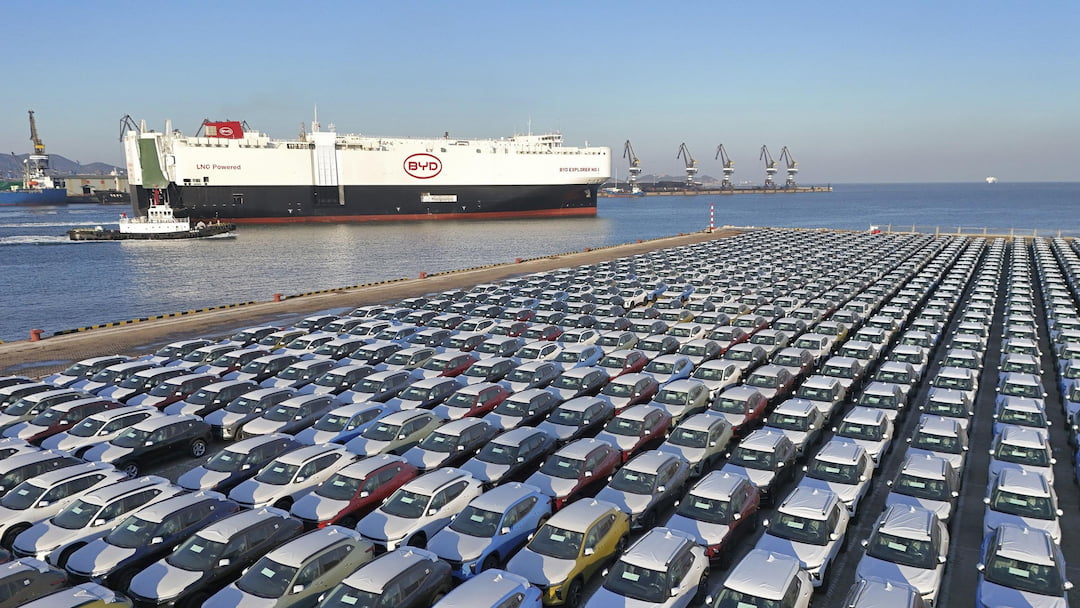
The immediate target in this debate on Chinese overcapacity is the October 2026 arrangement under which Beijing accepted a quota on exports of Chinese hybrid cars to the European market. The signatories do not dismiss that deal, but they warn that more agreements of the same kind would leave the Union permanently reacting to the latest surge in steel, batteries, chemicals or machinery. Each narrow settlement, in their reading, invites Beijing to redirect surplus output toward the next unprotected sector.

What the MEPs ask for instead is a horizontal toolbox. They want quotas and tariffs that the Commission can apply wherever subsidised Chinese production distorts the single market, stricter local supply chain content rules, faster regulatory simplification for European producers and harmonised customs controls. The letter also flags uneven enforcement at Europe’s ports, where national authorities apply very different levels of scrutiny to the same goods.

The numbers explain why Chinese overcapacity has become so urgent. The EU runs a goods trade deficit with China of roughly €1 billion a day, and that gap has grown as Chinese domestic demand has weakened and producers have looked abroad. The existing anti-dumping and anti-subsidy instruments work, but investigations take many months and cover one product line at a time.

The Commission is already moving toward a broader answer to Chinese overcapacity. In October, France and Germany jointly called for a new instrument that would let the Union restrict foreign competitors who cause serious disruption to its market, and the Commission is expected to present that tool before the end of 2026. The parliamentary letter is therefore less a new demand than an attempt to shape the design of that instrument before it reaches the co-legislators.

Diplomacy will test the approach early in 2027. Šefčovič is due to meet Chinese Commerce Minister Wang Wentao in January and again in March, and Beijing will read any horizontal mechanism as an escalation. Chinese officials have repeatedly warned that broad market access restrictions would trigger countermeasures against European exporters.

The real question is whether the Union can build a standing defence against Chinese overcapacity without sliding into general protectionism that hurts its own manufacturers and consumers. A tool with clear legal triggers, transparent evidence thresholds and time limits would reassure trading partners and survive scrutiny at the World Trade Organization. A vague one would hand Beijing an argument and divide member states that still depend on Chinese inputs.

For now, the letter gives the Commission political cover from five groups to think bigger. How Brussels writes the new instrument will decide whether its answer to Chinese overcapacity becomes a durable rulebook or simply another deal waiting to be renegotiated.