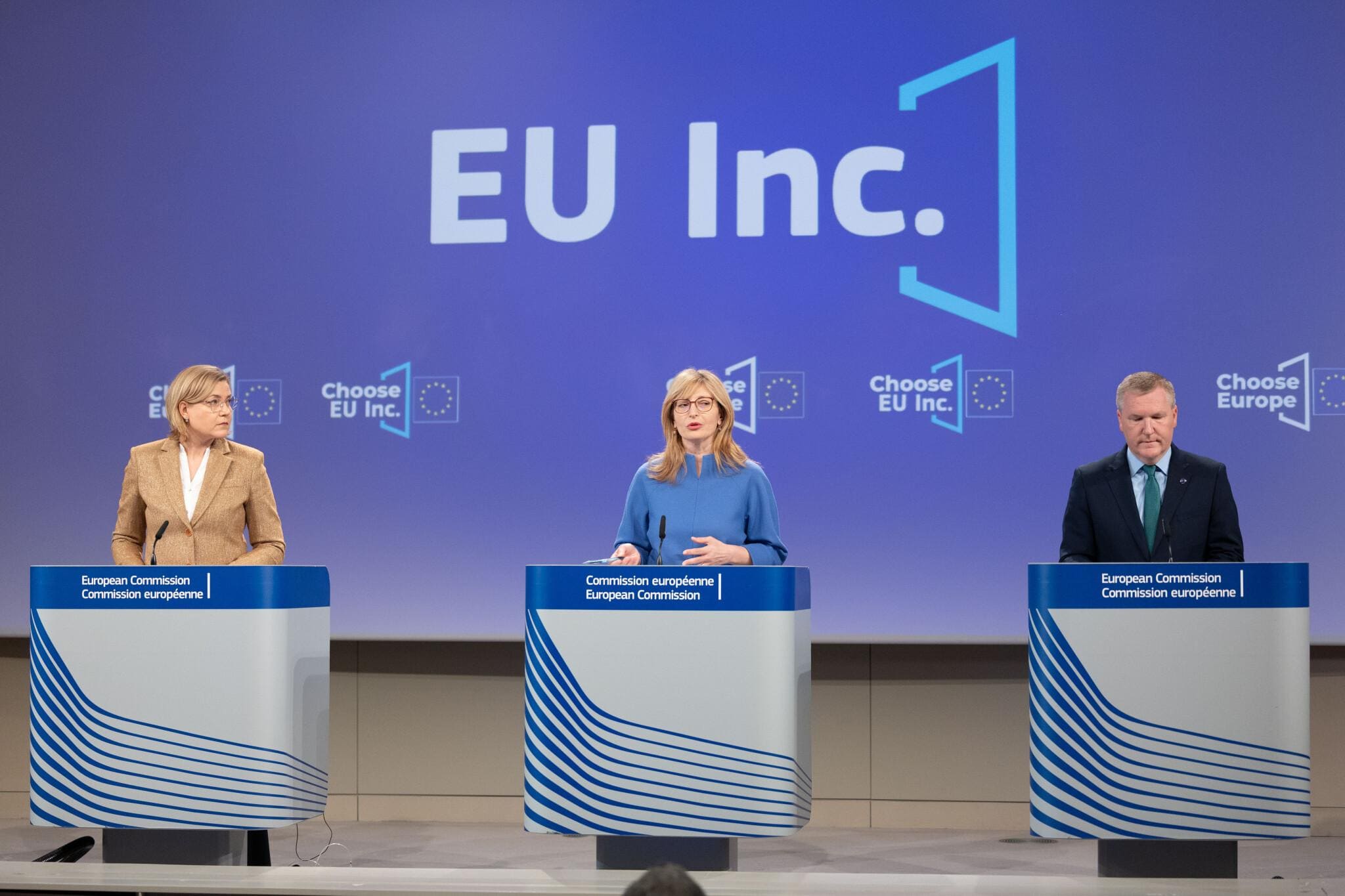
The Bio-based Europe Alliance entered the policy stage on 21 October 2026, when Environment Commissioner Jessika Roswall launched it at the Global Bioeconomy Summit in Dublin. The voluntary initiative links buyers of bio-based materials and products with primary producers, suppliers and national and regional authorities. More than 100 stakeholders had already joined at launch.
Its purpose is commercial rather than scientific. The EU Bioeconomy Strategy identifies the jump from research and demonstration to full commercial deployment as a key challenge, and the Bio-based Europe Alliance tries to close that gap by making demand visible. Clearer market signals should reduce investment uncertainty and let producers secure financing to scale up.
Roswall called the bioeconomy a strategic opportunity for Europe and said the Bio-based Europe Alliance would turn it into real market impact. She argued that cutting reliance on fossil-based materials will make the economy more competitive, circular and resilient. Agriculture Commissioner Christophe Hansen added that farmers and foresters sit at the centre of the bioeconomy and that the alliance can open new markets and income streams for them. With Common Agricultural Policy support, he said, it can provide predictable demand for sustainable biomass.
The Irish government, which hosted the summit during its Presidency of the Council of the EU, reported that the alliance aims for 10 billion euros in corporate offtake commitments by 2030. That target gives the Bio-based Europe Alliance a measurable yardstick, although the Commission’s own announcement did not repeat the figure. Members will jointly shape the activities and scope.
The summit itself drew more than 1,900 delegates from over 65 countries, including 450 online participants, according to the Commission. The International Advisory Council on Global Bioeconomy organised it with the Irish government, and Horizon Europe supported it. Organisers presented a Global Bioeconomy Vision 2040 and the Dublin Bioeconomy Goals, and the next summit will take place in Panama in 2028.
Parallel meetings widened the agenda. The International Bioeconomy Forum, co-chaired by the Commission and South Africa, held its seventh plenary on 19 October and adopted a strategic outcome document with policy briefs from its four working groups. The Joint Research Centre and DG Research and Innovation also introduced the International Bioeconomy Solutions Library, a digital repository covering topics such as standards, biorefineries, microbiomes and forest innovation.
Money matters as much as markets for the Bio-based Europe Alliance. The Bioeconomy Investment Deployment Group, which the European Investment Bank supports, met for a second time and agreed a one-year roadmap focused on financing gaps and building a pipeline of investment-ready bio-based projects. Participants framed the bioeconomy as a lever for shaping the post-2030 sustainable development agenda, with benefits for rural and coastal communities.
The Bio-based Europe Alliance also fits the Commission’s wider push for competitiveness and reduced fossil dependence. Public and private buyers can create lead markets through procurement choices, and a predictable order book matters most to young bio-based firms that struggle to move beyond pilot plants.
The test now shifts from announcement to execution. The Bio-based Europe Alliance will succeed only if buyers turn pledges into purchase orders and if the pipeline of projects finds patient capital. Brussels will watch whether the 100 founding members grow, whether the 10 billion euro ambition holds, and whether the 2025 EU Bioeconomy Strategy delivers the lead markets it promises.