October 30, 2026
LATEST
Greece Landfill Referral Tests EU Waste Law ComplianceCritical Medicines Act Deal Faces Final Endorsement TestDefence Projects Of Common Interest Reshape EU RearmamentRiyadh EU-GCC Summit Delay Leaves Security Agenda WaitingCanada EU Summit Tests Brussels Language On MembershipLabour Market Holds As Euro Area Unemployment Rate Stays At 6.5 percentMauritania European Peace Facility Aid Rises To 75 Million EurosEurozone GDP Growth Beats Forecasts At 0.4 percent In Third QuarterCommission Supplier Diversification Tool Aims At China RiskWinter Price Spike Exposes The Wider EU Gas Storage GapToledo Crash Puts EU Rail Safety Rules Under ScrutinyEurostat Data Show EU Waste Generation At 765 Million TonnesAgri-Food Trade Surplus Climbs To 34.7 Billion As Imports FallMiddle Corridor Funding Meets German Industry Interest in AktauTurkey-Libya Maritime Deal Tests EU Diplomacy After Fidan TalksJapan Horizon Europe Association Deepens Tokyo Brussels Research TiesArmenia EU Membership Push Meets Eurasian Union PressureMercosur Interim Agreement Runs Ahead Of German RatificationIndia EU Trade Deal Faces Brussels Approvals Before December SigningConsumer Credit Directive Gap Hits 16 Member StatesGreece Landfill Referral Tests EU Waste Law ComplianceCritical Medicines Act Deal Faces Final Endorsement TestDefence Projects Of Common Interest Reshape EU RearmamentRiyadh EU-GCC Summit Delay Leaves Security Agenda WaitingCanada EU Summit Tests Brussels Language On MembershipLabour Market Holds As Euro Area Unemployment Rate Stays At 6.5 percentMauritania European Peace Facility Aid Rises To 75 Million EurosEurozone GDP Growth Beats Forecasts At 0.4 percent In Third QuarterCommission Supplier Diversification Tool Aims At China RiskWinter Price Spike Exposes The Wider EU Gas Storage GapToledo Crash Puts EU Rail Safety Rules Under ScrutinyEurostat Data Show EU Waste Generation At 765 Million TonnesAgri-Food Trade Surplus Climbs To 34.7 Billion As Imports FallMiddle Corridor Funding Meets German Industry Interest in AktauTurkey-Libya Maritime Deal Tests EU Diplomacy After Fidan TalksJapan Horizon Europe Association Deepens Tokyo Brussels Research TiesArmenia EU Membership Push Meets Eurasian Union PressureMercosur Interim Agreement Runs Ahead Of German RatificationIndia EU Trade Deal Faces Brussels Approvals Before December SigningConsumer Credit Directive Gap Hits 16 Member States

Election Observers In Serbia Flag An Uneven Campaign

Election observers in Serbia delivered a sober verdict on 26 October 2026, one day after the country’s early parliamentary vote, describing a deeply polarised contest with serious inequalities in campaign conditions. The preliminary statement came jointly from the OSCE’s Office for Democratic Institutions and Human Rights (ODIHR), the Parliamentary Assembly of the Council of Europe and the European Parliament delegation. For Brussels, which treats Serbia as a candidate country, the findings supply the first independent benchmark of how the 25 October vote was run.

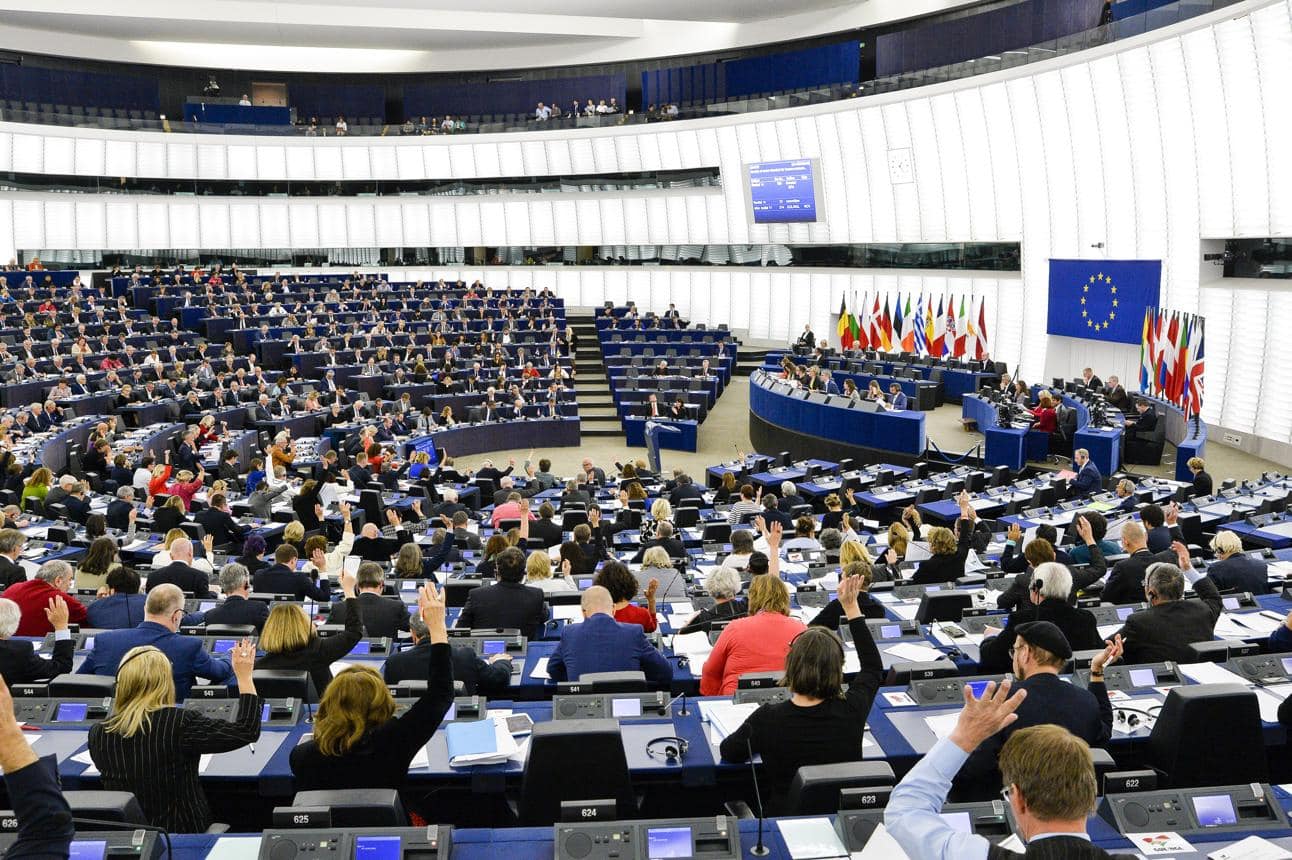
The European Parliament sent seven MEPs, led by Austrian Social Democrat Andreas Schieder, who had also observed Serbia’s December 2023 election. The group drew parliamentarians from five countries and six political groups, and it worked inside the wider ODIHR mission between 22 and 26 October. Serbia invited the Parliament to observe at the last minute, after the formal invitation deadline had passed.

The headline finding concerns the campaign itself. Election observers in Serbia concluded that the ruling party benefited from entrenched advantages, including the misuse of public resources. They also reported intimidation, pressure on voters and disruptions of campaign activities that undermined the electoral environment.

In the view of election observers in Serbia, the mechanics of the vote earned more credit. They described preparations as generally efficient and candidate registration as inclusive, and they judged most stages of election day positively at the vast majority of polling stations they visited. They still raised concerns about the impartiality of the Republic Election Commission, whose politically influenced decisions weakened trust, and about weak handling of complaints and persistent public distrust of the voter register.

Election observers in Serbia also saw serious warning signs on election day. Physical violence against polling staff, citizen observers and journalists drew particular concern from the monitors. Independent access for voters with disabilities was missing at 60 percent of the 1,485 polling stations observed.

The media environment, observers noted, tilted the field further. Public and private broadcasters favoured the United Serbia list and mostly portrayed the Student List negatively, while attacks and threats against journalists encouraged self-censorship. Most monitored broadcasters did not give voters enough impartial information to make an informed choice.

Election observers in Serbia found online campaigning largely unregulated, with inadequate safeguards against disinformation and manipulation. They flagged cybersecurity incidents, coordinated inauthentic activity and allegations of unlawful digital surveillance, including the use of Pegasus spyware. Amendments to the electoral law addressed several earlier recommendations, but significant reforms remain outstanding, particularly on campaign finance transparency and oversight. An earlier ODIHR assessment had already warned that key recommendations remained unaddressed ahead of the vote.

The aftermath is still unfolding. Reporting from Belgrade says the Student List won the contest, and a rerun of voting is scheduled at 53 polling stations on Sunday, 1 November. Observers said the high turnout showed citizens’ commitment to democratic participation.

The findings of election observers in Serbia also reinforce an earlier ODIHR assessment, published before the vote, which warned that the elections would take place in a highly polarised environment with key recommendations unaddressed. For the European Parliament, the delegation’s work now feeds into its regular reporting on how a candidate country applies democratic standards, and Schieder’s group will brief colleagues on what it saw in the polling stations.

The assessment lands at a delicate moment for Serbia’s relationship with the Union, because credible elections form a core test of the rule of law that candidate countries must meet. Election observers in Serbia called on the newly elected authorities to strengthen transparency, restore public trust and ensure fairer electoral conditions. Brussels will watch whether the 1 November rerun and the government formation that follows show any movement on those recommendations.