October 30, 2026
LATEST
Greece Landfill Referral Tests EU Waste Law ComplianceCritical Medicines Act Deal Faces Final Endorsement TestDefence Projects Of Common Interest Reshape EU RearmamentRiyadh EU-GCC Summit Delay Leaves Security Agenda WaitingCanada EU Summit Tests Brussels Language On MembershipLabour Market Holds As Euro Area Unemployment Rate Stays At 6.5 percentMauritania European Peace Facility Aid Rises To 75 Million EurosEurozone GDP Growth Beats Forecasts At 0.4 percent In Third QuarterCommission Supplier Diversification Tool Aims At China RiskWinter Price Spike Exposes The Wider EU Gas Storage GapToledo Crash Puts EU Rail Safety Rules Under ScrutinyEurostat Data Show EU Waste Generation At 765 Million TonnesAgri-Food Trade Surplus Climbs To 34.7 Billion As Imports FallMiddle Corridor Funding Meets German Industry Interest in AktauTurkey-Libya Maritime Deal Tests EU Diplomacy After Fidan TalksJapan Horizon Europe Association Deepens Tokyo Brussels Research TiesArmenia EU Membership Push Meets Eurasian Union PressureMercosur Interim Agreement Runs Ahead Of German RatificationIndia EU Trade Deal Faces Brussels Approvals Before December SigningConsumer Credit Directive Gap Hits 16 Member StatesGreece Landfill Referral Tests EU Waste Law ComplianceCritical Medicines Act Deal Faces Final Endorsement TestDefence Projects Of Common Interest Reshape EU RearmamentRiyadh EU-GCC Summit Delay Leaves Security Agenda WaitingCanada EU Summit Tests Brussels Language On MembershipLabour Market Holds As Euro Area Unemployment Rate Stays At 6.5 percentMauritania European Peace Facility Aid Rises To 75 Million EurosEurozone GDP Growth Beats Forecasts At 0.4 percent In Third QuarterCommission Supplier Diversification Tool Aims At China RiskWinter Price Spike Exposes The Wider EU Gas Storage GapToledo Crash Puts EU Rail Safety Rules Under ScrutinyEurostat Data Show EU Waste Generation At 765 Million TonnesAgri-Food Trade Surplus Climbs To 34.7 Billion As Imports FallMiddle Corridor Funding Meets German Industry Interest in AktauTurkey-Libya Maritime Deal Tests EU Diplomacy After Fidan TalksJapan Horizon Europe Association Deepens Tokyo Brussels Research TiesArmenia EU Membership Push Meets Eurasian Union PressureMercosur Interim Agreement Runs Ahead Of German RatificationIndia EU Trade Deal Faces Brussels Approvals Before December SigningConsumer Credit Directive Gap Hits 16 Member States

Employment Guidelines Win 434 Votes But Bind No One

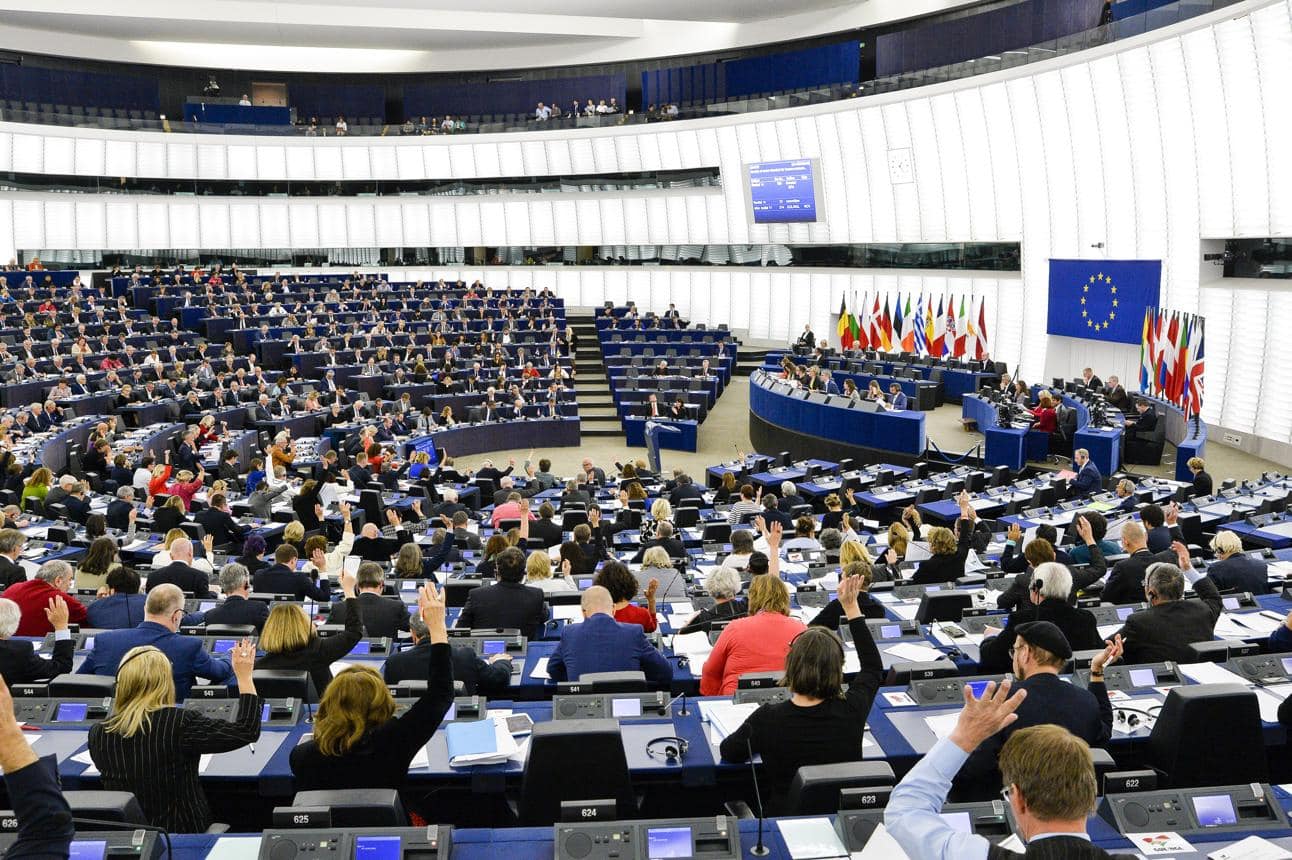
The EU employment guidelines cleared the European Parliament on 21 October 2026 by 434 votes to 212, with 23 abstentions. The text, steered by Finnish Left MEP Li Andersson, sets the social priorities that national governments must weigh when they shape employment policy, yet it creates no new enforceable rights for workers.

Andersson framed the vote as a statement about the direction of Europe’s social model. In her words, it is crucial in uncertain times that the social model is future-proof. The EU employment guidelines call on member states to implement the EU Minimum Wage Directive and the Pay Transparency Directive in full, and they back collective bargaining and the organisations that workers use to negotiate.

The Parliament position also reaches into newer territory. MEPs want action to close the gender pay gap and the gender pension gap, and they ask for better protection for people who work in extreme weather, including the effects of climate change on working conditions. That last demand links the guidelines to a file the Commission is still preparing, the Quality Jobs Act. Executive Vice-President Roxana Minzatu has said the act could require employers to assess risks from extreme weather and work-related stress, although the final proposal is not yet published.

The legal mechanics explain why the vote carries political weight but little direct force. Under the EU treaties, the Council adopts the EU employment guidelines after consulting Parliament, and governments must take the guidelines into account in their employment policies and report on what they do. Parliament’s opinion is consultative, so the Council can accept it, amend it or set parts aside. The guidelines then feed into the European Semester, the annual cycle in which the Commission reviews national economic and social policies.

Trade unions doubt that this cycle is enough. The European Trade Union Confederation said in January that the Semester falls far short of its promise on monitoring job quality, and it asked for binding legislation instead. The margin of 434 to 212 shows that a broad majority backs the social agenda, but it also shows a sizeable bloc of 212 MEPs that did not.

The next steps are procedural, yet they matter for the credibility of the EU employment guidelines. The Council has to adopt the text, and national governments then report on their progress, which gives Parliament and the unions a benchmark for later criticism. The real test will come when the Commission tables the Quality Jobs Act, because only a legislative proposal can turn the priorities in the EU employment guidelines into duties that employers must meet.