EU road deaths fell by 3 percent in 2025, according to preliminary figures the European Commission published on 27 October 2026. The bloc recorded 19,350 fatalities, about 580 fewer than in 2024 and roughly 15 percent below the 2019 level, when the current road safety strategy took its baseline. The improvement is real, yet it falls well short of the pace needed to meet the 2030 goal.
That goal is demanding. The EU’s ten-year framework aims to halve road deaths and serious injuries by 2030 compared with 2019. The European Transport Safety Council calculates that the Union needs an annual decrease of 4.6 percent to get there, so a 3 percent dip leaves the bloc far from the step-change required.
The national picture of EU road deaths varies widely. Sweden recorded the lowest rate in 2025 with 19 deaths per million inhabitants, followed by Denmark with 24. At the other end, Bulgaria reached 71 deaths per million, Romania 68 and Croatia 65, which shows that EU road deaths still depend heavily on where a driver lives.
Some countries cut EU road deaths fast. Estonia cut fatalities by 38 percent and Greece by 22 percent, the largest improvements among the member states. The safety council names Poland, Denmark and Belgium as the only countries on a clear path to the 2030 target, while progress has flattened or reversed in several large member states.
The Commission points to early signs of momentum in 2026. Provisional data show that more countries cut road deaths by over 5 percent in the first half of the year than recorded increases. Transport Commissioner Apostolos Tzitzikostas framed road safety as more than rules and regulations, describing it as a question of protecting lives and sparing families and communities from tragedy.
Not everyone shares that optimism about EU road deaths. The European Transport Safety Council links the slowdown to a new wave of EU-level deregulation, which it says stifles progress on road safety. Its fuller analysis will arrive with the Road Safety Performance Index report in June.
The debate matters for Brussels because road safety rules sit across several live files, from vehicle standards to driving licence requirements and enforcement across borders. Each of those files will shape whether EU road deaths keep falling or stall at the current rate. Advocates argue that a steady 3 percent decline cannot deliver a halving of fatalities, while the Commission stresses that the downward direction is consistent.
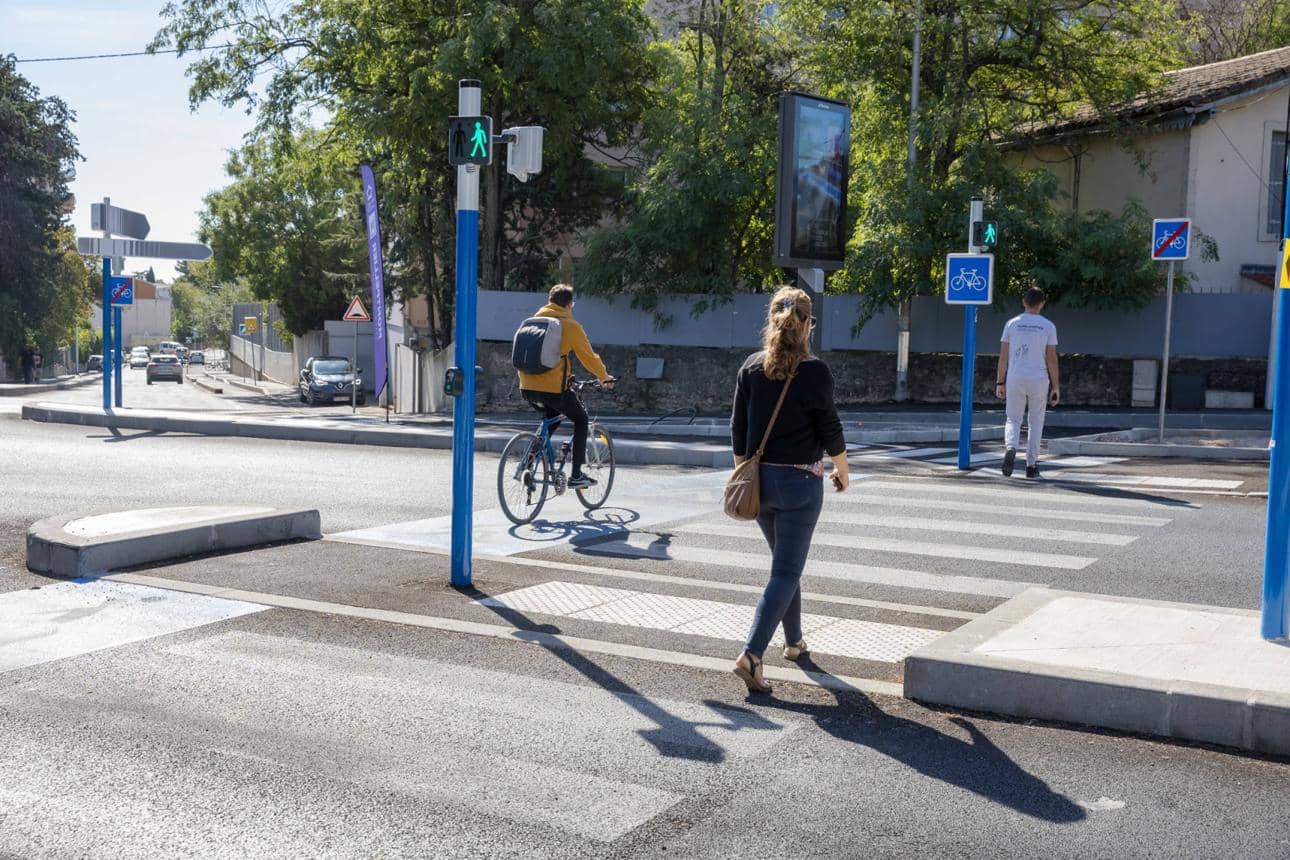
Vulnerable road users remain a priority for planners, and cities from Brussels to Bucharest keep debating speed limits, safer junction design and stricter enforcement of drink-driving and speeding rules. Those local choices add up, because most fatal crashes still happen on roads that national and municipal authorities control rather than on EU-managed infrastructure.
The next checkpoint is close. An EU Road Safety Conference in Brussels on 23 November 2026 will mark the midpoint of the ten-year strategy, giving ministers, regulators and campaigners a platform to test how much progress the data really show. Expect the conversation to centre on the gap between leaders such as Sweden and Denmark and laggards such as Bulgaria and Romania.
For now, the 2025 numbers deliver a measured message. EU road deaths are heading down, but at a speed that will not reach the 2030 goal unless member states with the highest fatality rates accelerate.