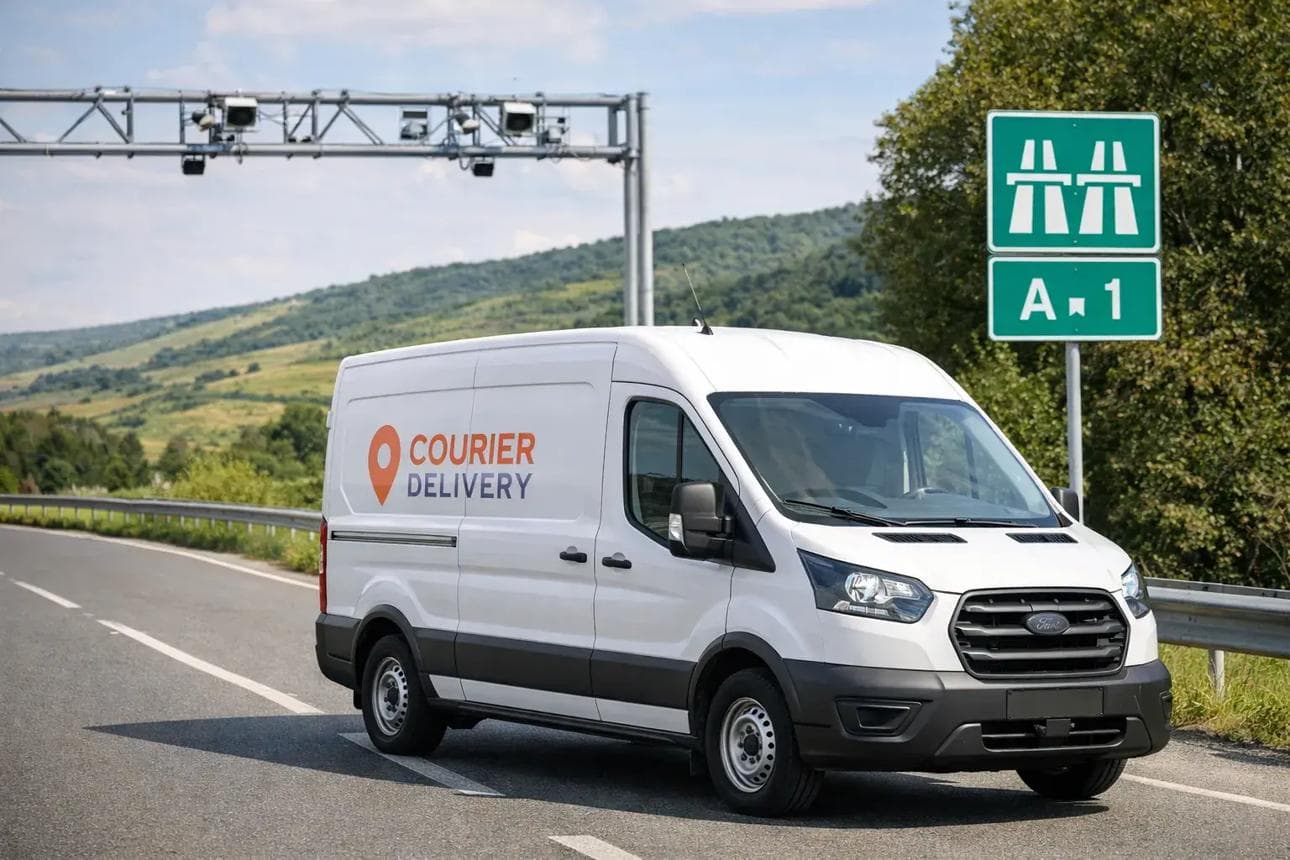
Van tachographs become a legal requirement for many light commercial fleets from 1 July 2026, and the change reshapes how thousands of smaller operators run cross-border deliveries. The obligation extends driving-time and monitoring rules that once applied only to heavy trucks down to vans that criss-cross Europe every day.
The new rule covers vehicles and van-plus-trailer combinations with a permissible weight above 2.5 tonnes and up to 3.5 tonnes when they carry goods for hire across borders or perform cabotage. Operators must fit each vehicle with a second-generation smart tachograph, the device engineers call the Smart Tacho 2 or G2V2.
The measure completes a promise the EU made in its Mobility Package I, which lawmakers adopted in 2020. Brussels designed the package to improve drivers’ working conditions, tighten enforcement, and stop lightly regulated vans from undercutting compliant hauliers on price.
The practical burden falls on operators quickly. Certified workshops must install and calibrate each device and apply a company lock that protects the data. Firms also issue driver cards and company cards, retrain staff, and update the software they use to read and store records.
Cost adds to the strain. Industry guides put the price of a single unit near 1,000 euros before installation, a meaningful sum for a small courier running a handful of vans. Fleets that delay risk roadside checks and fines once enforcement begins.
The rules also bring van drivers into the same rhythm as truckers. Daily driving tops out at nine hours, stretching to ten no more than twice a week, and drivers must take a 45-minute break after four and a half hours behind the wheel. The Commission’s transport department frames these limits as a road-safety gain.
Supporters argue the shift closes a loophole. Large logistics groups increasingly moved freight in sub-3.5-tonne vans precisely to escape the tachograph regime, and the switch to van tachographs removes that incentive while protecting drivers from excessive hours.
Critics counter that the smallest firms carry the heaviest load. Independent couriers lack the compliance teams that big carriers keep on staff, and the paperwork, training, and hardware arrive together in a single summer.
Enforcement will vary across member states in the early months, and several national authorities have signalled a pragmatic approach while operators adjust. Even so, the direction is clear, and the grace many hoped for is limited.
For a sector that keeps Europe’s shelves stocked and its parcels moving, the change is more than a technical upgrade. It marks the point where the bloc treats the humble delivery van as a serious part of its transport rulebook.