November 5, 2026
LATEST
Importers Count Down To EU Deforestation Regulation DateFactories Slow As Euro Area Industrial Production DropsCircular Economy Act Slips A Week As Textile Makers PushDAC Recast Would Fold Nine Tax Cooperation Directives Into OneThird-Country Satellites Face EU Space Act Certification HurdleMexico Signature Gives EU-Mexico Agreement Its First Real TestGulf Partnership Stalls as the EU-GCC Summit Loses Its New DateIndonesia Trade Agreement Targets 2027 Start For Palm Oil And TextilesMercosur Agreement Waits On Court As Farm Fears PersistSouth Korea Summit Adds Defence And Digital Trade PillarsCouncil Receives EU India Trade Deal With €4 Billion SavingsInfringement Procedures Hit Ten Year High In Commission ReviewGreen Claims Directive Withdrawn After Three Years Of StalemateEU Customs Reform Puts Parcel Handling Fee On 1 November ClockEuro Area Inflation Hits 4.0 percent In October As Energy Costs Jump 20.8 percentBaltic Sea Fishing Opportunities Rise For Herring And Sprat In 2027Brussels Convenes Ukraine Reconstruction Talks Before Abu Dhabi RoundBeijing Consensus Points Leave EU China Trade Talks Short On DetailEhler Compromise Reshapes European Competitiveness FundRescuers Gather At European Civil Protection Forum 2026Importers Count Down To EU Deforestation Regulation DateFactories Slow As Euro Area Industrial Production DropsCircular Economy Act Slips A Week As Textile Makers PushDAC Recast Would Fold Nine Tax Cooperation Directives Into OneThird-Country Satellites Face EU Space Act Certification HurdleMexico Signature Gives EU-Mexico Agreement Its First Real TestGulf Partnership Stalls as the EU-GCC Summit Loses Its New DateIndonesia Trade Agreement Targets 2027 Start For Palm Oil And TextilesMercosur Agreement Waits On Court As Farm Fears PersistSouth Korea Summit Adds Defence And Digital Trade PillarsCouncil Receives EU India Trade Deal With €4 Billion SavingsInfringement Procedures Hit Ten Year High In Commission ReviewGreen Claims Directive Withdrawn After Three Years Of StalemateEU Customs Reform Puts Parcel Handling Fee On 1 November ClockEuro Area Inflation Hits 4.0 percent In October As Energy Costs Jump 20.8 percentBaltic Sea Fishing Opportunities Rise For Herring And Sprat In 2027Brussels Convenes Ukraine Reconstruction Talks Before Abu Dhabi RoundBeijing Consensus Points Leave EU China Trade Talks Short On DetailEhler Compromise Reshapes European Competitiveness FundRescuers Gather At European Civil Protection Forum 2026

Circular Economy Act Slips A Week As Textile Makers Push

The Circular Economy Act is now expected on 18 November 2026, a week later than the 11 November date first pencilled in, according to trade press reporting published on 29 October. The European Commission has not confirmed the new date in the material reviewed for this article, so readers should treat it as provisional. The delay matters because the proposal is meant to replace a patchwork of national recycling rules with a single market for secondary raw materials.

Reporting describes a legislative proposal built around four aims. It would create a European market for secondary raw materials, ease the cross-border movement of recoverable waste between member states, stimulate demand for recycled materials, and remove regulatory barriers for circular business models. The Circular Economy Act rests on one common thread: dependence. Europe imports many of the raw materials its industry needs, and the Commission presents recycling at scale as one way to cut that exposure, a theme that echoes the Clean Industrial Deal and the Draghi report on European competitiveness.

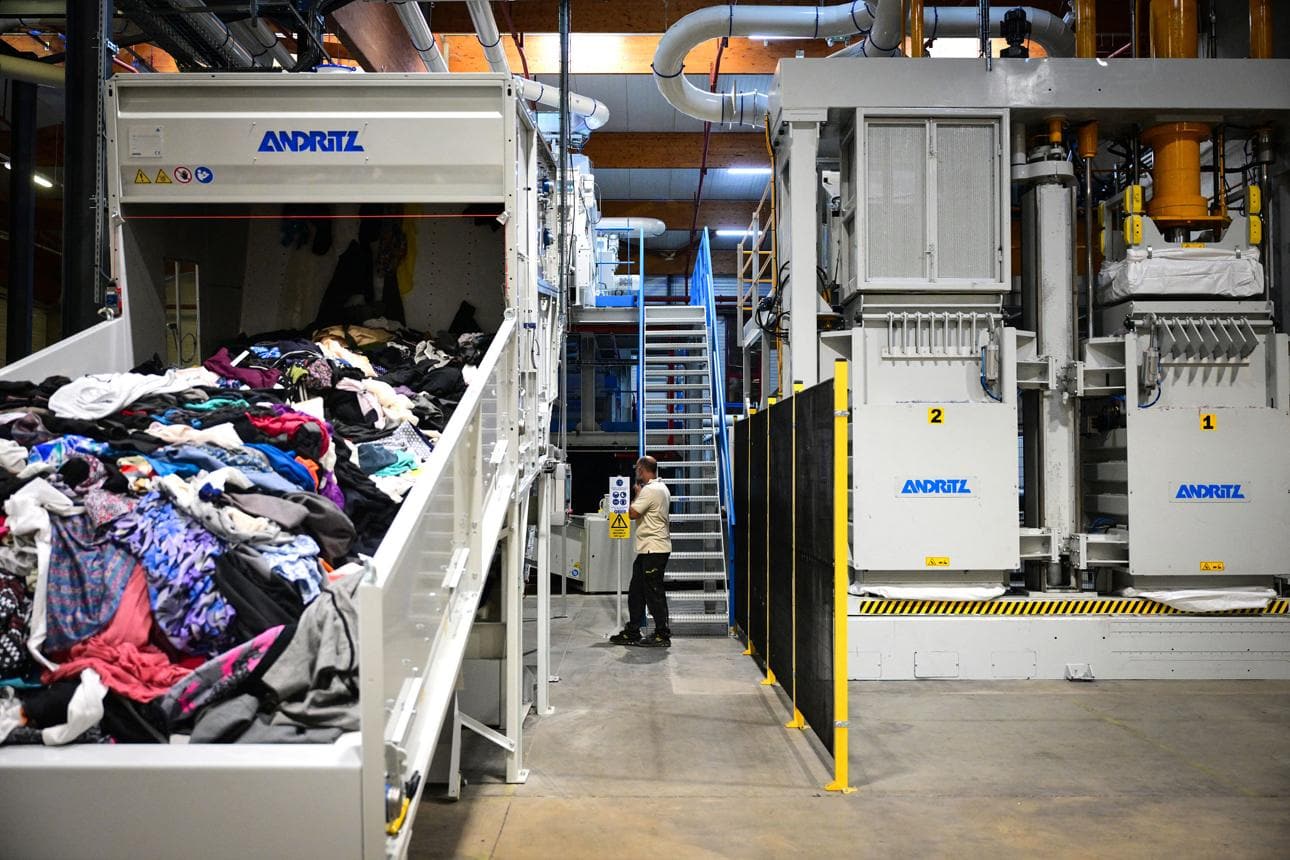
Textiles are the sector watching the Circular Economy Act most closely. They already fall under the revised Waste Framework Directive and the Ecodesign for Sustainable Products Regulation, so the new law would add to existing duties rather than start from scratch. Observers expect it could push textile recycling towards industrial scale, encourage recycled fibres, and go further in aligning extended producer responsibility rules and fibre-recycling standards across the 27 member states. These remain expectations, not confirmed provisions, because no legislative text has been published.

EURATEX, the European apparel and textile confederation, says it speaks for more than 200,000 companies and 1.3 million workers. Its four-page position paper answered the Commission’s consultation and sets out four priorities. It asks for a single EU-level framework for producer responsibility, with aligned eco-modulation criteria and a one-stop-shop registration system, so that a company selling in every member state does not have to register 27 times. It wants cuttings and similar production by-products classed as secondary raw materials rather than waste. It calls for harmonised green public procurement criteria that small firms can actually apply, built around durability, recyclability and reparability. And it asks the Commission to avoid new reporting that duplicates obligations under the Ecodesign Regulation and the Waste Framework Directive.

EURATEX also proposes EU-wide end-of-waste criteria for textiles, regional circularity hubs for sorting, repair and reindustrialisation, and fiscal incentives such as reduced VAT on recycled materials. Whether the Commission takes up any of this will be visible only when the text appears.

Three questions will decide whether the Circular Economy Act delivers for industry and for the environment. The first is whether the Circular Economy Act defines secondary raw material status clearly enough to let by-products cross borders without a separate waste permit in each country. The second is whether harmonised producer responsibility replaces national schemes or sits on top of them, which would raise costs for producers. The third is whether demand-side measures, such as recycled-content requirements and public procurement rules, arrive in the same proposal or in later acts. A supply-side law without demand signals could leave recyclers holding material that nobody is obliged to buy.

For now, companies should follow the Commission’s calendar for the 18 November slot and watch for a further delay. Anything that pushes the Circular Economy Act back again would compress the time left for Parliament and Council to negotiate, and it would prolong uncertainty for recyclers and textile producers waiting for the rules.