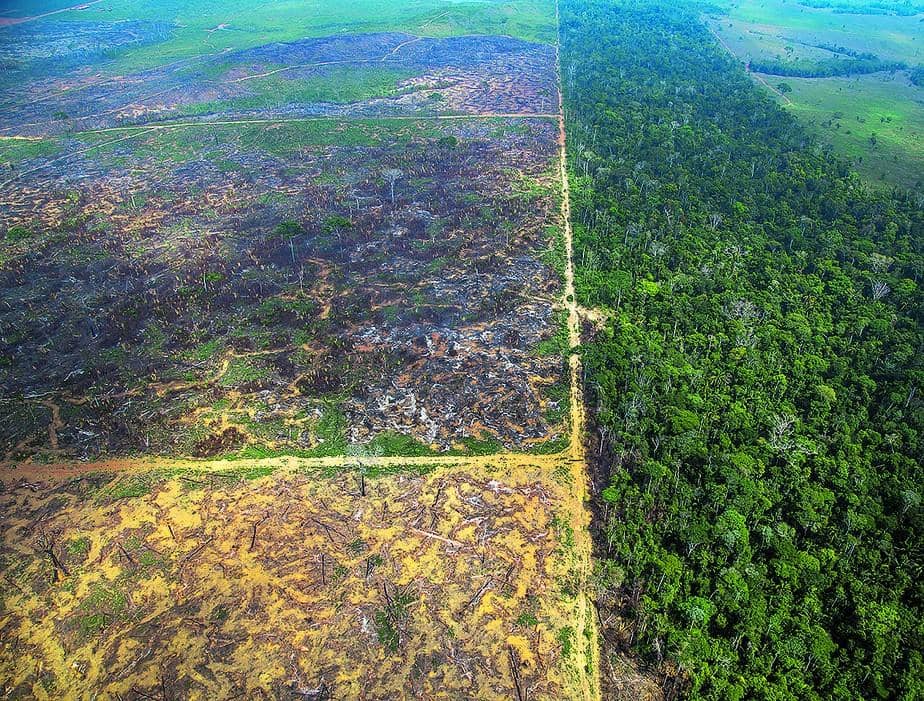
The EU Deforestation Regulation applies to large and medium-sized operators on 30 December 2026, which leaves importers about 55 days to be ready. The date has already moved twice, but the legislative record now points firmly to no third postponement. The amending regulation was published in the Official Journal on 23 December 2025, and the Commission’s simplification package of 4 May 2026 was explicit that the application date stands.
The rules cover cattle, cocoa, coffee, palm oil, rubber, soy and wood, and many products derived from them. Under the EU Deforestation Regulation, companies placing these goods on the EU market must show that the goods did not come from land deforested after 2020 and that production was legal. Before the amendment, every actor in a supply chain faced due diligence duties. Now only the operator first placing a product on the market submits a due diligence statement. Downstream operators and traders do not file separate statements, and only the first downstream operator must keep and pass on the reference number.
Micro and small primary operators get lighter treatment. They can file a one-off simplified declaration with no duty to update it, and they may give a postal address instead of geolocation data. Their application date is 30 June 2027, six months after larger firms, although micro and small timber operators still face the December 2026 date according to law firm analysis of the package. Printed products were removed from the scope of the annex.
The May package went further. The Commission’s simplification review says compliance costs fall by about 75% compared with the original regulation. Updated guidance and FAQs explain downstream obligations, e-commerce and geolocation. Under the review, a draft delegated act would reshape the product list: it would add items such as soluble instant coffee and certain palm oil derivatives, and remove leather and retreaded tyres, with new exemptions for samples, packaging, marketing materials, waste and used goods. Public consultation on that draft closed on 1 June 2026. The Commission is also updating the information system through which operators submit statements, with simplified forms and the option of grouping reference numbers.
Two further tools are meant to arrive before the deadline: databases of producing-country legislation and of certification schemes. These matter because operators sourcing from countries classed as low risk can use simplified due diligence under Article 29, and because buyers need a clear way to check legal compliance. The available analysis does not say whether either database is live, so importers should check the Commission’s pages directly.
For trade policy, the interesting question is how exporting countries will adapt. The EU Deforestation Regulation reaches suppliers far beyond Europe, and the stability of the December date gives partners certainty while leaving them little time for adaptation.
Practical steps for importers facing the EU Deforestation Regulation are straightforward. Map every product against the annex and watch for the delegated act, which could change whether a given good is in scope. Confirm with suppliers that they can provide geolocation data and legality evidence. Test the information system as soon as the upgraded version is available. And decide who in the company will sign off the statement, because liability sits with the operator first placing the goods.
The EU Deforestation Regulation has been the most contested piece of the Green Deal rulebook for two years. With the EU Deforestation Regulation date holding and the compliance burden lighter, the debate now shifts from whether it will apply to whether it will work.