October 15, 2026
LATEST
Year-End Signing Looms For EU-India Free Trade AgreementCanberra Awaits Signature Of EU-Australia Free Trade AgreementMcGrath Readies Digital Fairness Act For Late 2026Platform Work Directive Deadline Nears As Capitals LagMarket Integration Package Gives ESMA Direct PowersFreedom Of Navigation Sanctions Test EU Unity On Hormuz ShippingTobacco Tax Directive Stays Stuck As One Veto Can Sink The DealLeaders Weigh Targeted EU Energy Price Measures As Gas Jumps 140 percentEU Space Funding After 2027 Puts Galileo In QuestionUkraine Accession Agriculture Terms Fence Off Grain AccessVAT Reverse Charge Mechanism Set For Four More YearsGulf Speakers Prepare The EU-GCC Summit At Parliament In BrusselsPlenary Vote Looms On The Critical Raw Materials Act RewriteMercosur Agreement Survives Poland’s Bid To Freeze Provisional UseGlobal Gateway Africa Hits €120 Billion As 2027 Target Draws NearEU Ukraine Loan Covers 2026 While Frozen Assets Wait For DecemberRussian Diplomats Movement Curbs Move Toward Host Country LimitsKosovo Growth Plan Money Hinges On A Surge Of ReformsIndonesia EU CEPA Signing Targets Late October Amid Language DisputeAI in Science Summit Tests RAISE In Dublin This WeekYear-End Signing Looms For EU-India Free Trade AgreementCanberra Awaits Signature Of EU-Australia Free Trade AgreementMcGrath Readies Digital Fairness Act For Late 2026Platform Work Directive Deadline Nears As Capitals LagMarket Integration Package Gives ESMA Direct PowersFreedom Of Navigation Sanctions Test EU Unity On Hormuz ShippingTobacco Tax Directive Stays Stuck As One Veto Can Sink The DealLeaders Weigh Targeted EU Energy Price Measures As Gas Jumps 140 percentEU Space Funding After 2027 Puts Galileo In QuestionUkraine Accession Agriculture Terms Fence Off Grain AccessVAT Reverse Charge Mechanism Set For Four More YearsGulf Speakers Prepare The EU-GCC Summit At Parliament In BrusselsPlenary Vote Looms On The Critical Raw Materials Act RewriteMercosur Agreement Survives Poland’s Bid To Freeze Provisional UseGlobal Gateway Africa Hits €120 Billion As 2027 Target Draws NearEU Ukraine Loan Covers 2026 While Frozen Assets Wait For DecemberRussian Diplomats Movement Curbs Move Toward Host Country LimitsKosovo Growth Plan Money Hinges On A Surge Of ReformsIndonesia EU CEPA Signing Targets Late October Amid Language DisputeAI in Science Summit Tests RAISE In Dublin This Week
October 15, 2026
LATEST
Year-End Signing Looms For EU-India Free Trade AgreementCanberra Awaits Signature Of EU-Australia Free Trade AgreementMcGrath Readies Digital Fairness Act For Late 2026Platform Work Directive Deadline Nears As Capitals LagMarket Integration Package Gives ESMA Direct PowersFreedom Of Navigation Sanctions Test EU Unity On Hormuz ShippingTobacco Tax Directive Stays Stuck As One Veto Can Sink The DealLeaders Weigh Targeted EU Energy Price Measures As Gas Jumps 140 percentEU Space Funding After 2027 Puts Galileo In QuestionUkraine Accession Agriculture Terms Fence Off Grain AccessVAT Reverse Charge Mechanism Set For Four More YearsGulf Speakers Prepare The EU-GCC Summit At Parliament In BrusselsPlenary Vote Looms On The Critical Raw Materials Act RewriteMercosur Agreement Survives Poland’s Bid To Freeze Provisional UseGlobal Gateway Africa Hits €120 Billion As 2027 Target Draws NearEU Ukraine Loan Covers 2026 While Frozen Assets Wait For DecemberRussian Diplomats Movement Curbs Move Toward Host Country LimitsKosovo Growth Plan Money Hinges On A Surge Of ReformsIndonesia EU CEPA Signing Targets Late October Amid Language DisputeAI in Science Summit Tests RAISE In Dublin This WeekYear-End Signing Looms For EU-India Free Trade AgreementCanberra Awaits Signature Of EU-Australia Free Trade AgreementMcGrath Readies Digital Fairness Act For Late 2026Platform Work Directive Deadline Nears As Capitals LagMarket Integration Package Gives ESMA Direct PowersFreedom Of Navigation Sanctions Test EU Unity On Hormuz ShippingTobacco Tax Directive Stays Stuck As One Veto Can Sink The DealLeaders Weigh Targeted EU Energy Price Measures As Gas Jumps 140 percentEU Space Funding After 2027 Puts Galileo In QuestionUkraine Accession Agriculture Terms Fence Off Grain AccessVAT Reverse Charge Mechanism Set For Four More YearsGulf Speakers Prepare The EU-GCC Summit At Parliament In BrusselsPlenary Vote Looms On The Critical Raw Materials Act RewriteMercosur Agreement Survives Poland’s Bid To Freeze Provisional UseGlobal Gateway Africa Hits €120 Billion As 2027 Target Draws NearEU Ukraine Loan Covers 2026 While Frozen Assets Wait For DecemberRussian Diplomats Movement Curbs Move Toward Host Country LimitsKosovo Growth Plan Money Hinges On A Surge Of ReformsIndonesia EU CEPA Signing Targets Late October Amid Language DisputeAI in Science Summit Tests RAISE In Dublin This Week

EU Space Funding After 2027 Puts Galileo In Question

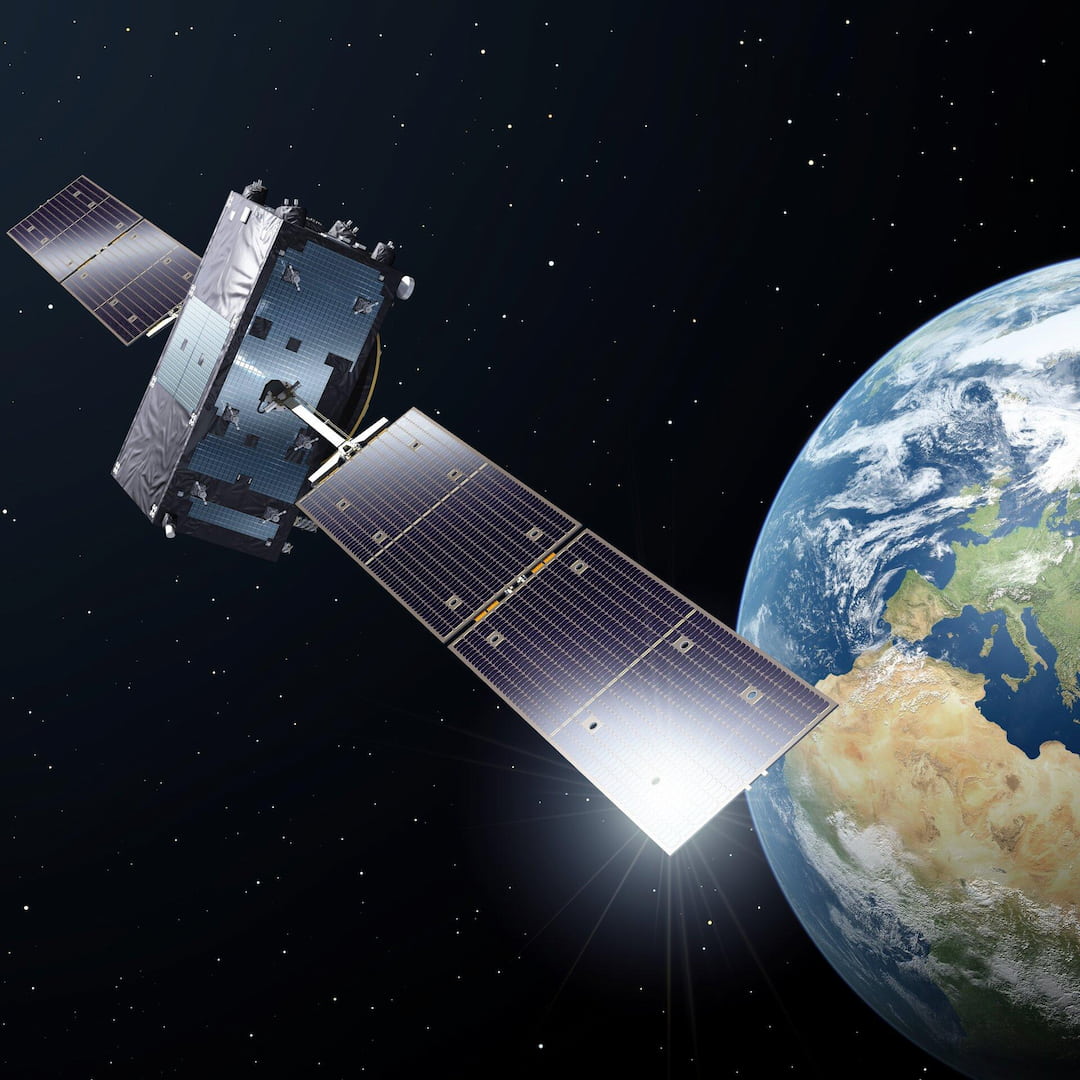
EU space funding after 2027 is the question hanging over Galileo and Copernicus as European Union leaders prepare to discuss the next long-term budget at the European Council on 15 and 16 October 2026. The current space programme for 2021 to 2027 is worth €14.8 billion, funds satellite navigation and Earth observation, and ends in the same year as the seven-year Multiannual Financial Framework.

For 2028 to 2034, the European Commission wants to move space into a new European Competitiveness Fund, a single pot for strategic industries. That fund would set aside €131 billion for defence and space together. The design is deliberate, because it treats satellites as part of industrial and security policy rather than as a stand-alone science programme. It also means space has to compete with defence for money inside one envelope, and the early drafts do not say how the split would work.

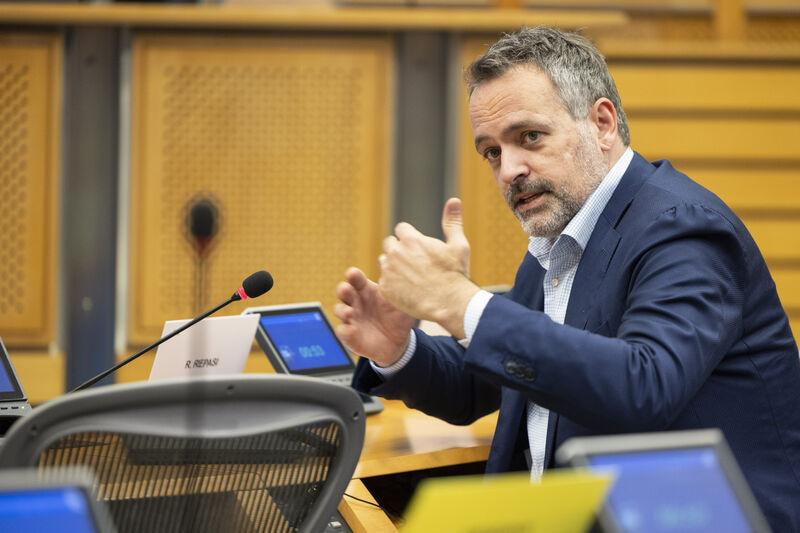
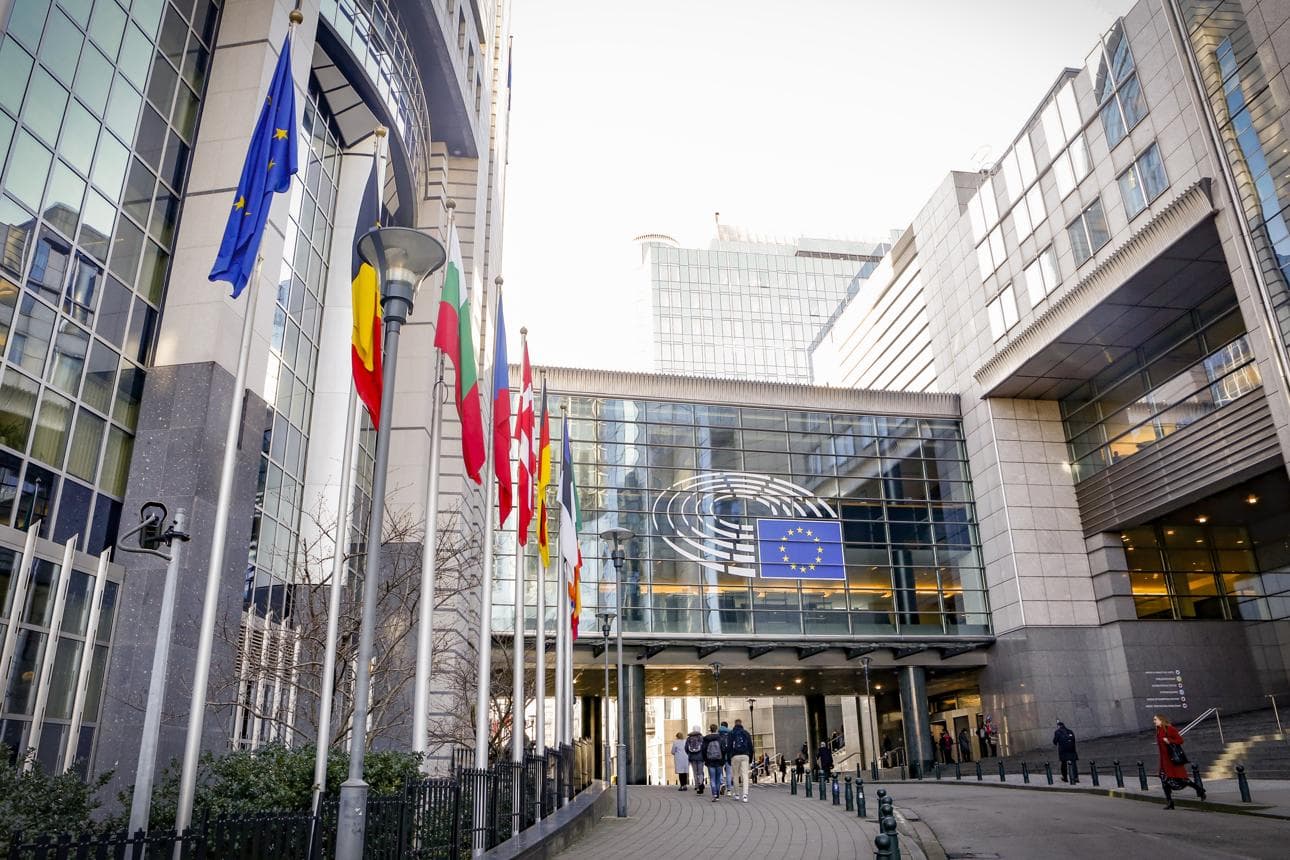
The debate over EU space funding was aired at a meeting hosted at the European Parliament in Brussels on 13 October, chaired by Vice-President Javier López and organised by the Barcelona-based operator Sateliot, as reported by Euronews. Gerasimos Sofianatos, head of the radio spectrum policy unit at DG CONNECT, represented the Commission. The event mixed budget talk with a practical agenda of procurement and spectrum.

On procurement, the Commission’s defence and space department closed bids on 29 September for a four-year framework contract worth €55 million. It covers management and legal support for IRIS², the planned secure satellite constellation, as well as space surveillance and tracking and analysis of the space economy. In September, the European Space Agency selected Sateliot to contribute to the Low-LEO layer of IRIS², with in-orbit test missions planned between 2027 and 2029. The agency is intergovernmental and separate from the EU.

On spectrum, the Commission proposed in May a single EU-wide licence for mobile satellite services in the 2 GHz band, whose current rights expire in May 2027. Part of the band would be reserved for European operators and for a secure system linked to IRIS². The deadline is close, so the licence decision may arrive before the budget is settled.

The launch picture shows why EU space funding matters. PLD Space won a conditional €158.9 million contract under the European Space Agency’s launcher challenge in August, and its Miura 5 rocket has not yet flown. Sateliot plans its next launch in July 2027 on SpaceX and a late-2027 launch on Miura 5 carrying its first two Tritó satellites. Sateliot is raising €150 million, made up of €100 million in equity and up to €50 million in debt, and aims to pass 500 satellites by 2028 at the latest.

The risk for EU space funding is a gap. If the negotiations over the 2028-2034 framework run late, contracts that depend on EU space funding, from Galileo upgrades to IRIS² services, could face uncertainty just as the new constellation moves from design to deployment. Horizon Europe calls follow in 2027, and EUSPA and the European Space Agency continue to issue tenders, which gives industry some continuity but not a guarantee.

Nothing in the reporting says how the funding gap will be resolved, and leaders are unlikely to settle the figures this week. The signal to watch in EU space funding is whether the final text keeps a visible space line inside the Competitiveness Fund. If it does, EU space funding will have survived the shift to a bigger, blended budget; if it does not, Galileo and Copernicus will have to fight for their place in each annual work programme.