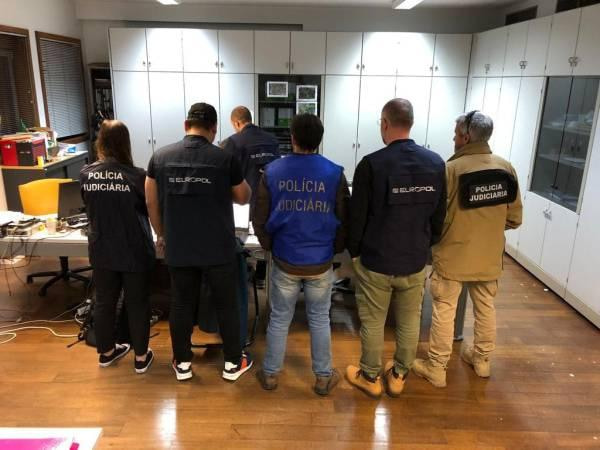
Operation Hermes, run by the European Public Prosecutor’s Office, put 62 suspects in custody on 7 October 2026 in an inquiry into a carousel VAT fraud worth at least €410 million. Investigators carried out more than 300 searches in Austria, France, Germany, Italy, Malta, the Netherlands, Portugal and Spain. The detentions break down as 39 in Portugal, 20 in Spain and three in Italy.
The case centres on mobile phones and other electronic devices. According to the prosecutors, criminal groups exploited the VAT exemption for cross-border trade between member states. Goods passed through chains of companies that included missing traders, which collect VAT and vanish without paying it over, while other firms in the chain claimed refunds. Intermediary companies sat in Spain, Italy, Portugal, Austria, France and Malta.
In Operation Hermes, prosecutors say two criminal syndicates cooperated, sharing companies, goods and logistics. They suspect the groups of laundering money through each other’s firms and of using encrypted communication. Authorities executed freezing orders of up to €310 million, covering bank accounts, company shares, real estate and vehicles, including luxury cars, and they secured cash and gold coins worth up to €9 million. Freezing orders are protective measures, so they do not yet return money to national budgets.
EPPO links Operation Hermes to earlier investigations. The groups allegedly used a similar method, and partly the same people, as in the Admiral case, which in 2022 involved estimated damage of €2.2 billion and nearly 9,000 legal entities. The pattern also resembles the Moby Dick case, where the Court of Milan sentenced six defendants on 11 September 2026 to between four and seven years and two months in prison and ordered the confiscation of more than €300 million. That first-instance ruling remains open to appeal.
One Operation Hermes suspect previously led a scheme that targeted Sweden between 2019 and 2023. After the Swedish companies went bankrupt, prosecutors allege, he moved to Portugal and built a similar structure through companies registered in the names of relatives and trusted associates. That branch also offered money laundering as a service to other criminal groups, which shows how fraud networks adapt when one country closes a door.
Operation Hermes drew on EPPO offices in Madrid, Porto, Milan, Palermo, Paris, Graz, Valletta, Bucharest, Rotterdam, Frankfurt and Vilnius, with support from Europol and national authorities such as Spain’s tax agency, Portugal’s tax and customs authority and Italy’s Guardia di Finanza. That scale shows what a single European prosecutor can do when national borders no longer limit a case.
The Commission regards carousel fraud, also called missing trader intra-community fraud, as a major driver of the EU’s VAT gap and conservatively attributes roughly a quarter of uncollected VAT to it. Operation Hermes therefore tests whether prosecution at European level can shrink a leak that weakens national budgets in several countries at once. Everyone concerned is presumed innocent until a court decides otherwise, and the final losses, confiscations and individual liability remain open.
Verdicts will take years, as Admiral and Moby Dick show. The immediate lesson of Operation Hermes is practical: criminal networks that move goods across borders in days now face investigators who can move across borders almost as fast.