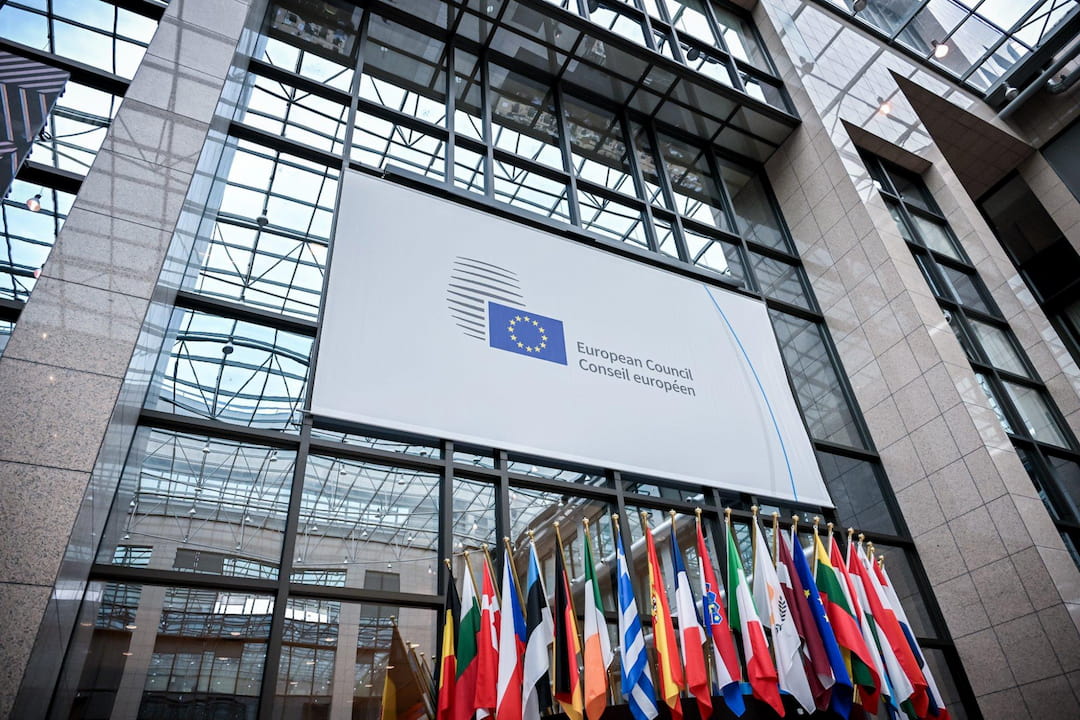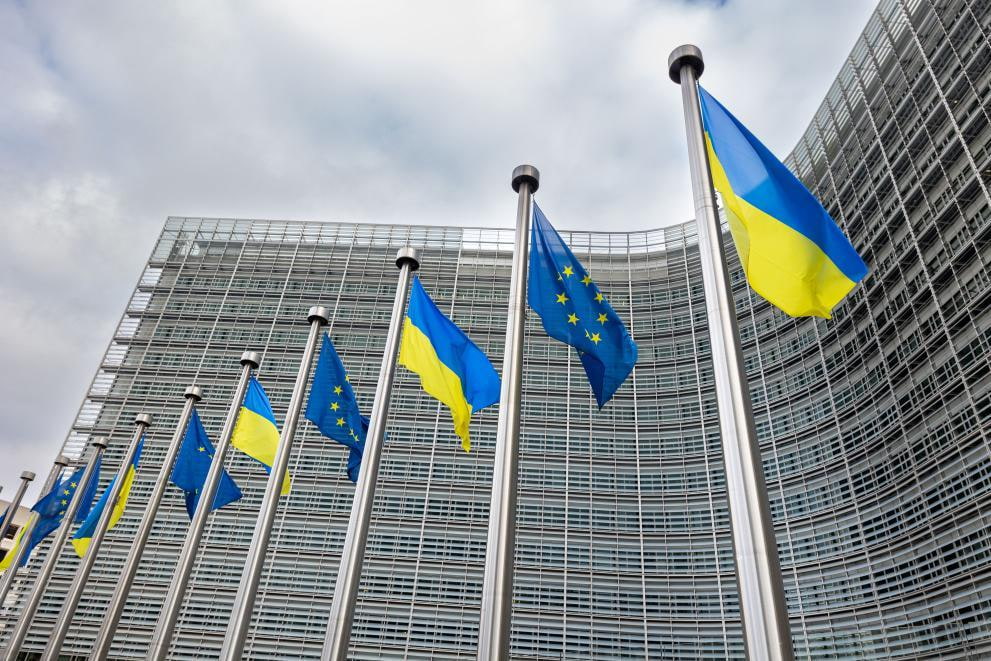
Brussels: The EU Ukraine loan is the quiet centrepiece of the European Council that opens in Brussels on 15 October 2026, and the draft conclusions suggest that leaders consider the immediate funding problem solved. The text welcomes recent disbursements of €5.34 billion and says Ukraine’s 2026 budget and defence needs are covered.
That confidence rests on a €90 billion facility approved in April, which provides €45 billion a year for 2026 and 2027. The arithmetic behind the EU Ukraine loan matters. Diplomats expect Kyiv to spend the second €45 billion in the first half of 2027, which means the gap could reappear sooner than the calendar suggests. In early September Ukrainian officials warned of a military funding shortfall of up to $27 billion, although estimates varied widely.
The summit draft, as reported, asks international partners to step up their support for Ukraine’s financing and military needs. The same reporting says third countries appear to have slowed their own contributions since the Union approved the loan, which shifts more weight back onto Brussels. The EU Ukraine loan can only reassure markets if other donors keep pace.
Missing from the draft is any mention of Russian immobilised assets. The word does not appear, even though about €200 billion is frozen in Europe, most of it in Belgium. Prime Minister Bart De Wever led resistance to using those funds in December 2025, citing legal and financial risks for his country. An EU official expects the issue to dominate the leaders’ meeting in December, which gives negotiators two months to find a legal design that Belgium can accept.
The summit will also keep sanctions on the table. The 21st package was approved in July only after long disputes, and the Union has increasingly turned to blacklisting individuals and firms instead of adopting new economic measures. Leaders are expected to call for further steps without naming a new package.
For Kyiv, the practical question is predictability. The EU Ukraine loan gives a floor for budget planning through 2027, and that stability helps the government pay salaries, pensions and public services while the army absorbs most of its revenue. For Brussels, the strategic question is whether it can finance a long war without a political fight over frozen assets every six months.
The coming weeks will test the answer. If the December summit settles the assets question, the EU Ukraine loan could become a bridge to a larger arrangement. If not, the Union will face the same funding debate in 2027, with less time and fewer easy options.