October 16, 2026
LATEST
Imports Lift Euro Area Trade Deficit To €16.1 Billion In AugustPoverty And Social Exclusion Top 54 percent In Guyane As EU Gap WidensRegions Seek Binding Role In Cohesion Policy Partnership PlansMontenegro EU Accession Reaches 21 Closed Chapters, 12 To GoRail Operators Resist Deeper Cuts To The EU Transport BudgetAlbania EU Accession Gains Fourth Closed Chapter And A 2027 GoalPostponed EU-GCC Summit Leaves Gulf Partnership Without A DateHouse Price Index Shows Portugal Surging While France SlipsBeating Cancer Plan Report Pushes Tougher Tobacco RulesChina Hybrid Car Quota Gives Brussels A Fragile TruceChips Act 2.0 Shifts EU Semiconductor Policy Toward Chip DemandMinisters Seal EU Pharmaceutical Reform After Two Decades Of DebateCouncil Adopts EU Return Regulation With Hubs And Longer DetentionRiver Basin Management Plans Expose Water PollutionEEA Competitiveness Report Ties Europe’s Growth To NatureEurostat Travel Data Shows Europeans Still Holiday At Home2027 EU Budget Vote Looms As Parliament Adds €1.17 Billion To DraftEU Sanctions Circumvention Crackdown Lists Twelve Russia Supply LinksTunisia Migration Deal Draws Rights Scrutiny And Calls For A RewriteLibya Elections Commission Deal Tests EU Support For UN RoadmapImports Lift Euro Area Trade Deficit To €16.1 Billion In AugustPoverty And Social Exclusion Top 54 percent In Guyane As EU Gap WidensRegions Seek Binding Role In Cohesion Policy Partnership PlansMontenegro EU Accession Reaches 21 Closed Chapters, 12 To GoRail Operators Resist Deeper Cuts To The EU Transport BudgetAlbania EU Accession Gains Fourth Closed Chapter And A 2027 GoalPostponed EU-GCC Summit Leaves Gulf Partnership Without A DateHouse Price Index Shows Portugal Surging While France SlipsBeating Cancer Plan Report Pushes Tougher Tobacco RulesChina Hybrid Car Quota Gives Brussels A Fragile TruceChips Act 2.0 Shifts EU Semiconductor Policy Toward Chip DemandMinisters Seal EU Pharmaceutical Reform After Two Decades Of DebateCouncil Adopts EU Return Regulation With Hubs And Longer DetentionRiver Basin Management Plans Expose Water PollutionEEA Competitiveness Report Ties Europe’s Growth To NatureEurostat Travel Data Shows Europeans Still Holiday At Home2027 EU Budget Vote Looms As Parliament Adds €1.17 Billion To DraftEU Sanctions Circumvention Crackdown Lists Twelve Russia Supply LinksTunisia Migration Deal Draws Rights Scrutiny And Calls For A RewriteLibya Elections Commission Deal Tests EU Support For UN Roadmap
October 16, 2026
LATEST
Imports Lift Euro Area Trade Deficit To €16.1 Billion In AugustPoverty And Social Exclusion Top 54 percent In Guyane As EU Gap WidensRegions Seek Binding Role In Cohesion Policy Partnership PlansMontenegro EU Accession Reaches 21 Closed Chapters, 12 To GoRail Operators Resist Deeper Cuts To The EU Transport BudgetAlbania EU Accession Gains Fourth Closed Chapter And A 2027 GoalPostponed EU-GCC Summit Leaves Gulf Partnership Without A DateHouse Price Index Shows Portugal Surging While France SlipsBeating Cancer Plan Report Pushes Tougher Tobacco RulesChina Hybrid Car Quota Gives Brussels A Fragile TruceChips Act 2.0 Shifts EU Semiconductor Policy Toward Chip DemandMinisters Seal EU Pharmaceutical Reform After Two Decades Of DebateCouncil Adopts EU Return Regulation With Hubs And Longer DetentionRiver Basin Management Plans Expose Water PollutionEEA Competitiveness Report Ties Europe’s Growth To NatureEurostat Travel Data Shows Europeans Still Holiday At Home2027 EU Budget Vote Looms As Parliament Adds €1.17 Billion To DraftEU Sanctions Circumvention Crackdown Lists Twelve Russia Supply LinksTunisia Migration Deal Draws Rights Scrutiny And Calls For A RewriteLibya Elections Commission Deal Tests EU Support For UN RoadmapImports Lift Euro Area Trade Deficit To €16.1 Billion In AugustPoverty And Social Exclusion Top 54 percent In Guyane As EU Gap WidensRegions Seek Binding Role In Cohesion Policy Partnership PlansMontenegro EU Accession Reaches 21 Closed Chapters, 12 To GoRail Operators Resist Deeper Cuts To The EU Transport BudgetAlbania EU Accession Gains Fourth Closed Chapter And A 2027 GoalPostponed EU-GCC Summit Leaves Gulf Partnership Without A DateHouse Price Index Shows Portugal Surging While France SlipsBeating Cancer Plan Report Pushes Tougher Tobacco RulesChina Hybrid Car Quota Gives Brussels A Fragile TruceChips Act 2.0 Shifts EU Semiconductor Policy Toward Chip DemandMinisters Seal EU Pharmaceutical Reform After Two Decades Of DebateCouncil Adopts EU Return Regulation With Hubs And Longer DetentionRiver Basin Management Plans Expose Water PollutionEEA Competitiveness Report Ties Europe’s Growth To NatureEurostat Travel Data Shows Europeans Still Holiday At Home2027 EU Budget Vote Looms As Parliament Adds €1.17 Billion To DraftEU Sanctions Circumvention Crackdown Lists Twelve Russia Supply LinksTunisia Migration Deal Draws Rights Scrutiny And Calls For A RewriteLibya Elections Commission Deal Tests EU Support For UN Roadmap

Platform Work Directive Deadline Nears As Capitals Lag

The Platform Work Directive faces its first real stress test on 2 December 2026, the date by which every member state must turn Directive (EU) 2024/2831 into national law. With less than seven weeks left, the picture across the Union is uneven, and several governments are still drafting. The rules matter to the delivery riders, drivers and freelancers who find work through apps.

The Platform Work Directive rests on two ideas. The first idea is a rebuttable legal presumption of employment when facts point to control and direction by the platform. In that case the burden shifts, so the platform must prove that the worker is genuinely self-employed. The second is algorithmic management, where platforms must explain the automated systems that monitor workers and make decisions about them.

Under the Platform Work Directive, those transparency duties come with human oversight. Significant automated decisions, such as ending a contract or suspending an account, need a human check, and workers can contest the outcome. The Directive also restricts the processing of certain personal data, and a legal analysis of the text lists the inference of emotional states and of union activity among the banned uses. It applies to people performing platform work in the EU regardless of where the platform is established.

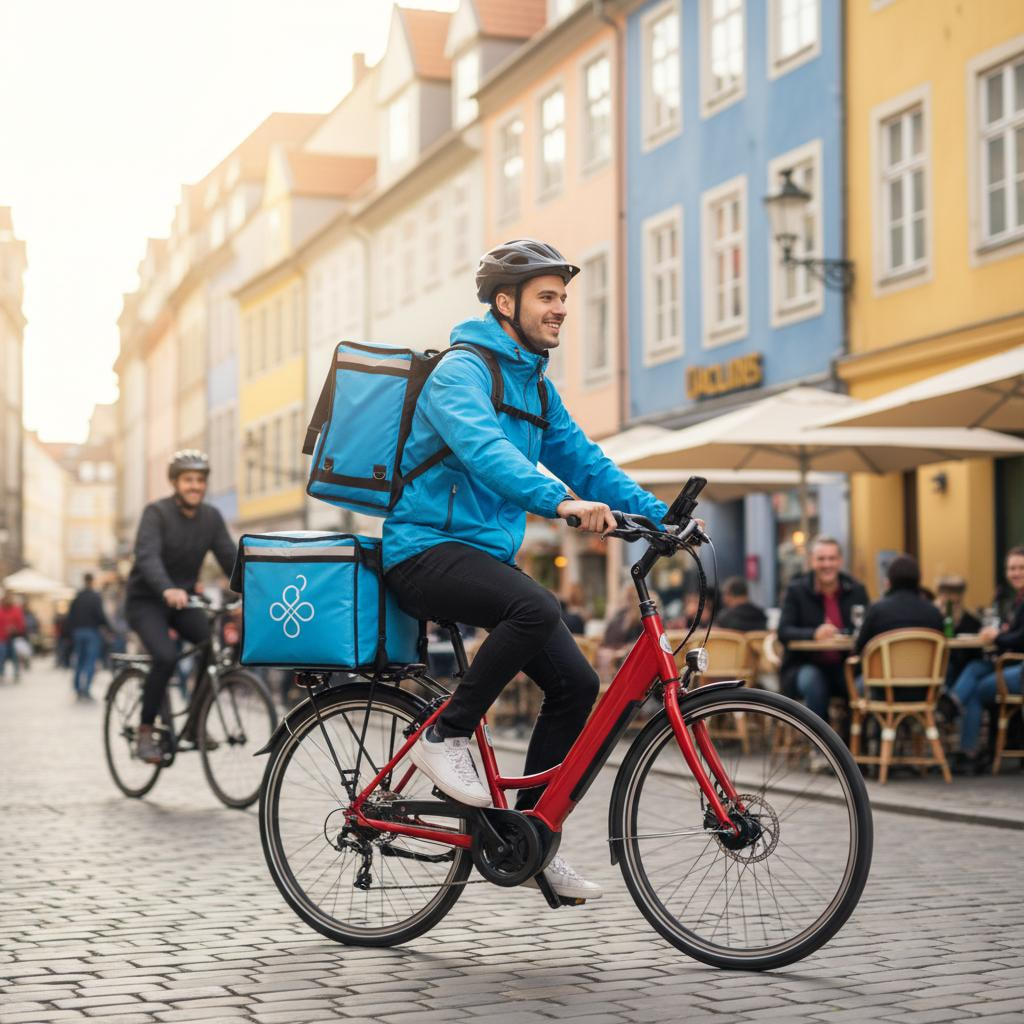
Germany shows how far the debate has moved. The federal government confirmed on 6 May 2026 that the Federal Ministry of Labour and Social Affairs is drafting the implementing law. On 12 October, the federal council adopted a resolution on better working conditions in platform work. It does not bind the government, but it signals that the council expects a statutory direct employment requirement for food delivery workers.

Berlin has said it will not stretch the Platform Work Directive beyond platform work, and it is examining measures on the subcontractors that platforms use. A direct employment rule for couriers would hit the delivery model hardest, because many riders work through fleet partners rather than the platform itself. The government has not confirmed that it will adopt the requirement, so the final German text remains open.

Other capitals sit at different stages. A May 2026 tracker described Italy as the only member state with concrete legislative activity, through a draft legislative decree under parliamentary review, and said Spain opened a public consultation in late April. France, the Netherlands and Belgium had committed to the deadline but showed no verifiable draft at that point. Those details are months old, so readers should treat them as a snapshot rather than a current ranking.

The Commission has reportedly ruled out any delay to the Platform Work Directive deadline, although that claim appears without a named source. The European Labour Authority is also expected to issue guidance during 2026 on arrangements that resemble platform work without fitting the definition. Traditional business-to-business freelancing without a digital intermediary falls outside the scope.

The likely consequence of the Platform Work Directive is a patchwork. The same tracker predicts that most member states will miss the date, with national court rulings and infringement proceedings continuing through 2027. That is a forecast, not a certainty, but the pattern is familiar from earlier labour directives, where late transposition turned into long legal disputes.

For platforms and workers alike, the Platform Work Directive will not change anything on 2 December unless national parliaments act first. The weeks ahead will show which governments pass laws in time, and which leave workers waiting for rights that Brussels already agreed.