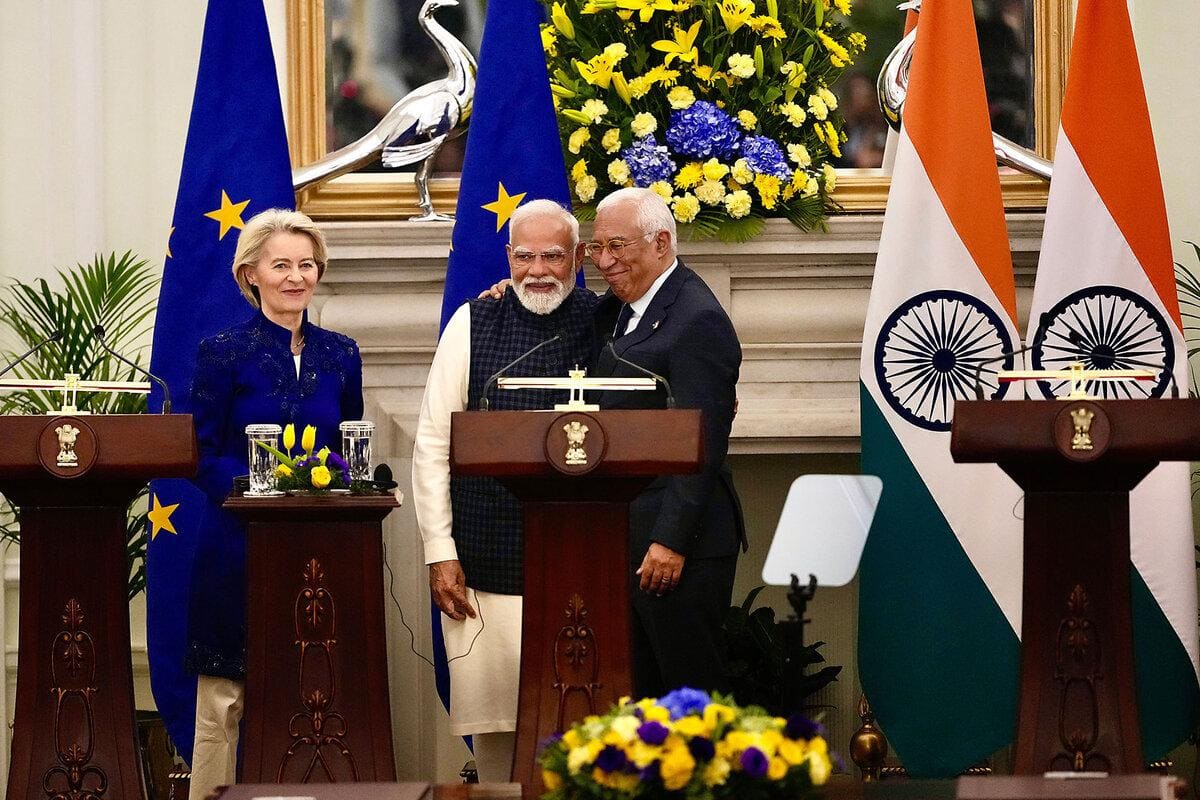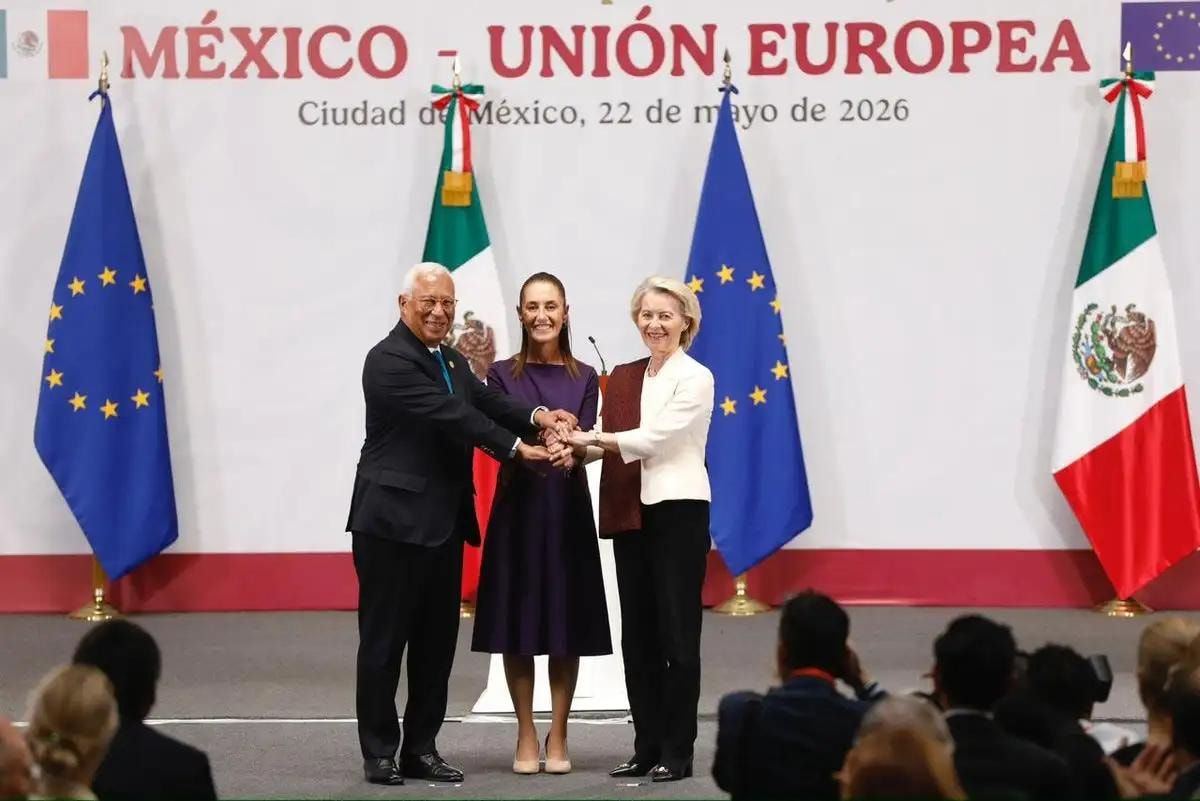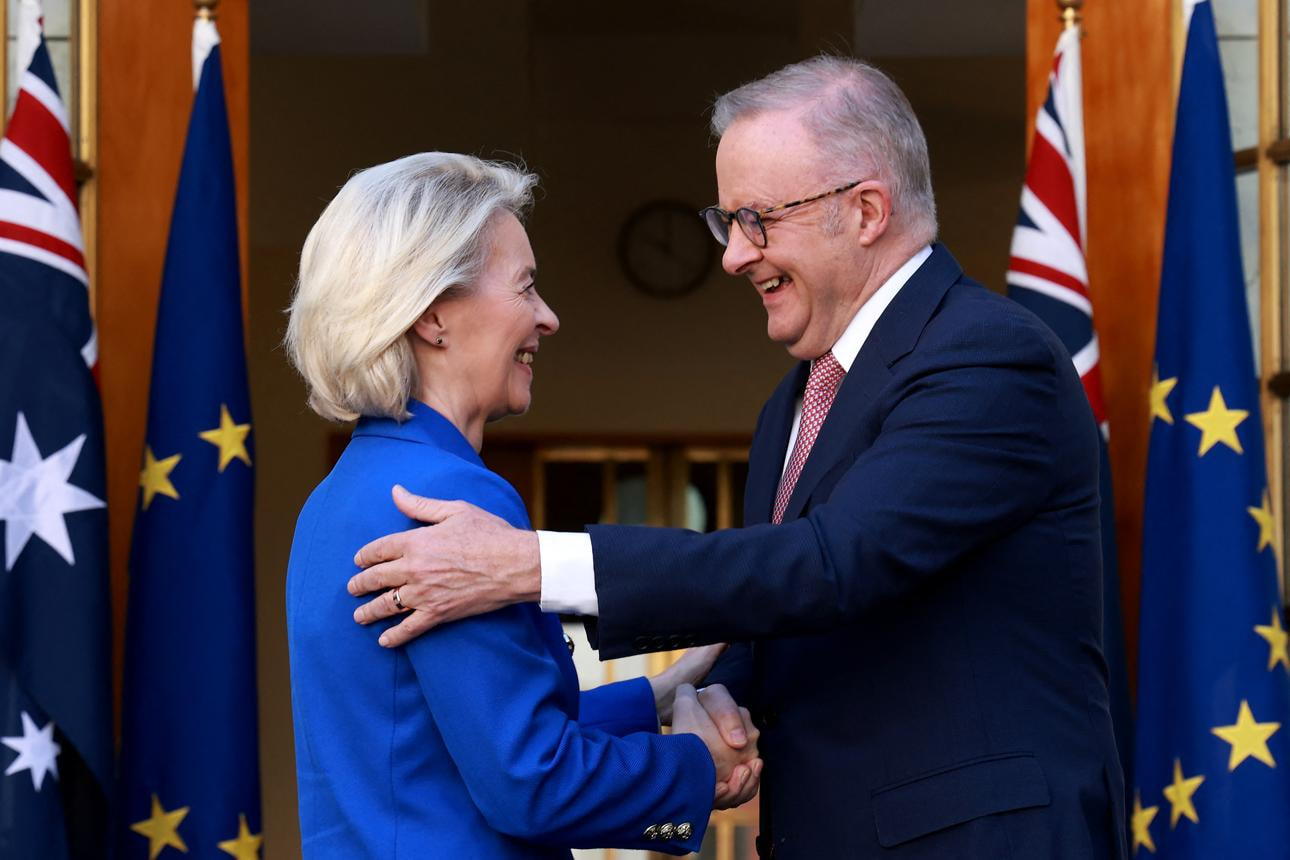
Canberra: The EU-Australia free trade agreement is finalised, and trade analysts now expect formal signature of it, alongside the deal with India, before the end of 2026. That timing turns the agreement from a negotiated text into a test of how quickly Brussels and Canberra can move through their legal and parliamentary steps.
The pact closes a negotiation that stalled in earlier years over agricultural access and geographical indications. Its revival reflects a wider shift in European trade policy, where the Commission has pursued new partners across the Indo-Pacific to reduce exposure to a few large markets. For Australia, the EU-Australia free trade agreement offers a route to greater access in a market of roughly 450 million consumers.
Reports on the text point to provisions that go beyond tariffs. Industry commentary highlights professional mobility arrangements that would allow qualified workers to stay for up to four years, a feature that matters to engineers, health professionals and service firms. Medical technology groups have called the finalisation a strategic milestone, which shows that business interest extends beyond farm goods and raw materials.
Ratification will take time. On the EU side, the EU-Australia free trade agreement needs a Council decision and the consent of the European Parliament, and members of the Parliament often use that vote to press for stronger sustainability and labour language. On the Australian side, the treaty goes through its domestic scrutiny process, and regional governments have already called for swift passage. Neither side has announced a firm date for entry into force, so businesses should plan for 2027 at the earliest.
Diplomacy gives the agreement weight beyond the trade numbers. Australia is a security partner for Europe in the Pacific, and the two sides cooperate on critical technologies, climate policy and support for rules-based trade. A concluded EU-Australia free trade agreement signals that economic ties can match political ones, and it gives European diplomats a concrete example when they argue that the Union is a reliable partner in the region.
My assessment is that the main risk is not opposition but sequencing. The Commission is handling several large agreements at once, and the Parliament calendar is crowded with budget and enlargement files. If the Council settles signature on time, the EU-Australia free trade agreement could reach plenary in the first half of 2027. If it slips, exporters will lose a season of planning.
Watch for the Council’s decision on signature, the publication of the final legal text, and the first committee schedule in Parliament. Those three steps will show whether the EU-Australia free trade agreement reaches its destination on the timetable that officials have set.