August 12, 2026
LATEST
Clean Deal Subsidies Test Europe’s Level Playing Field PledgeMedicine Security Law Advances to Ease Europe’s Drug ShortagesPlatform Work Rules Face a December Deadline Across the EUCan EDIP Turn EU Cash Into Real Defence Industry MuscleCivil Protection Fleet Battles Europe’s Worst Wildfire SummerBaltic Sea Fishing Quotas Face Steep Cuts for 2026EU Packaging Waste Rules Take Effect Across the BlocDigital Fairness Act Aims to Curb Addictive DesignYerevan’s Westward Bet Redraws Armenia’s Place in EuropeEurope Reaches Across the Caspian for Clean Power It Can TrustReforms Stall Even as the EU Grades Its Own Rule of Law RecordMontenegro Closes In on Its 2028 Target for Full EU MembershipMercosur Deal Now Faces a Long and Bruising Ratification GrindTemu Faces EU Penalty Threat Over Blocked Subsidy ChecksBanks Set for Simpler ESG Disclosure Under New EBA PlanMinimum Wages Climb Fastest in Eastern Europe, Data ShowsEurope’s Electrification Plan Aims to Slash Fossil Fuel BillsCouncil Clears Fertiliser Aid to Shield Struggling EU FarmersCan Europe Court Beijing and Contain It at the Same Time?Korean Tanks Fill the Gaps Europe Cannot Arm Fast EnoughClean Deal Subsidies Test Europe’s Level Playing Field PledgeMedicine Security Law Advances to Ease Europe’s Drug ShortagesPlatform Work Rules Face a December Deadline Across the EUCan EDIP Turn EU Cash Into Real Defence Industry MuscleCivil Protection Fleet Battles Europe’s Worst Wildfire SummerBaltic Sea Fishing Quotas Face Steep Cuts for 2026EU Packaging Waste Rules Take Effect Across the BlocDigital Fairness Act Aims to Curb Addictive DesignYerevan’s Westward Bet Redraws Armenia’s Place in EuropeEurope Reaches Across the Caspian for Clean Power It Can TrustReforms Stall Even as the EU Grades Its Own Rule of Law RecordMontenegro Closes In on Its 2028 Target for Full EU MembershipMercosur Deal Now Faces a Long and Bruising Ratification GrindTemu Faces EU Penalty Threat Over Blocked Subsidy ChecksBanks Set for Simpler ESG Disclosure Under New EBA PlanMinimum Wages Climb Fastest in Eastern Europe, Data ShowsEurope’s Electrification Plan Aims to Slash Fossil Fuel BillsCouncil Clears Fertiliser Aid to Shield Struggling EU FarmersCan Europe Court Beijing and Contain It at the Same Time?Korean Tanks Fill the Gaps Europe Cannot Arm Fast Enough
August 12, 2026
LATEST
Clean Deal Subsidies Test Europe’s Level Playing Field PledgeMedicine Security Law Advances to Ease Europe’s Drug ShortagesPlatform Work Rules Face a December Deadline Across the EUCan EDIP Turn EU Cash Into Real Defence Industry MuscleCivil Protection Fleet Battles Europe’s Worst Wildfire SummerBaltic Sea Fishing Quotas Face Steep Cuts for 2026EU Packaging Waste Rules Take Effect Across the BlocDigital Fairness Act Aims to Curb Addictive DesignYerevan’s Westward Bet Redraws Armenia’s Place in EuropeEurope Reaches Across the Caspian for Clean Power It Can TrustReforms Stall Even as the EU Grades Its Own Rule of Law RecordMontenegro Closes In on Its 2028 Target for Full EU MembershipMercosur Deal Now Faces a Long and Bruising Ratification GrindTemu Faces EU Penalty Threat Over Blocked Subsidy ChecksBanks Set for Simpler ESG Disclosure Under New EBA PlanMinimum Wages Climb Fastest in Eastern Europe, Data ShowsEurope’s Electrification Plan Aims to Slash Fossil Fuel BillsCouncil Clears Fertiliser Aid to Shield Struggling EU FarmersCan Europe Court Beijing and Contain It at the Same Time?Korean Tanks Fill the Gaps Europe Cannot Arm Fast EnoughClean Deal Subsidies Test Europe’s Level Playing Field PledgeMedicine Security Law Advances to Ease Europe’s Drug ShortagesPlatform Work Rules Face a December Deadline Across the EUCan EDIP Turn EU Cash Into Real Defence Industry MuscleCivil Protection Fleet Battles Europe’s Worst Wildfire SummerBaltic Sea Fishing Quotas Face Steep Cuts for 2026EU Packaging Waste Rules Take Effect Across the BlocDigital Fairness Act Aims to Curb Addictive DesignYerevan’s Westward Bet Redraws Armenia’s Place in EuropeEurope Reaches Across the Caspian for Clean Power It Can TrustReforms Stall Even as the EU Grades Its Own Rule of Law RecordMontenegro Closes In on Its 2028 Target for Full EU MembershipMercosur Deal Now Faces a Long and Bruising Ratification GrindTemu Faces EU Penalty Threat Over Blocked Subsidy ChecksBanks Set for Simpler ESG Disclosure Under New EBA PlanMinimum Wages Climb Fastest in Eastern Europe, Data ShowsEurope’s Electrification Plan Aims to Slash Fossil Fuel BillsCouncil Clears Fertiliser Aid to Shield Struggling EU FarmersCan Europe Court Beijing and Contain It at the Same Time?Korean Tanks Fill the Gaps Europe Cannot Arm Fast Enough

Medicine Security Law Advances to Ease Europe’s Drug Shortages

A new European law aims to close one of the quieter vulnerabilities exposed by the past decade of crises: the bloc’s reliance on distant factories for the drugs patients cannot do without. Negotiators for the Parliament and member states struck a deal on the Critical Medicines Act, and the legislation is now heading toward formal adoption after months of technical work.

The measure targets a problem that has grown impossible to ignore. Shortages of antibiotics, insulin and common painkillers have recurred each winter, forcing pharmacists to ration supplies and doctors to switch patients to second-choice treatments. Much of the active ingredient for these medicines is made in a handful of plants in Asia, so a single outage or export curb can ripple across the continent.

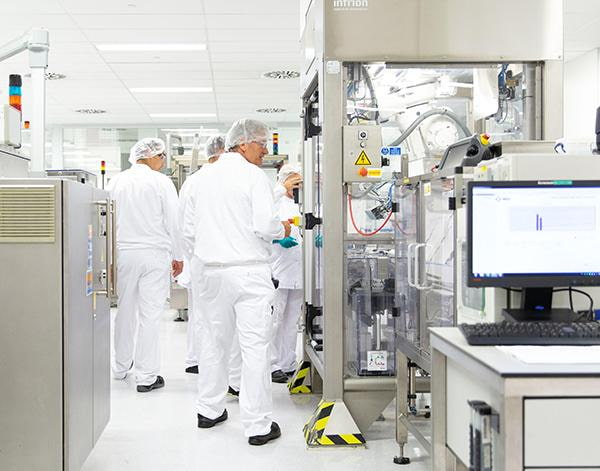
To blunt that risk, the act pushes on several fronts at once. It offers incentives for companies that make critical medicines and their raw ingredients inside the Union, favouring producers who diversify supply rather than chase the lowest cost. It also makes it easier for governments to buy together, pooling demand so smaller states are not left at the back of the queue when stocks run thin.

The Commission’s proposal frames the effort as strategic autonomy applied to the pharmacy shelf. Officials argue that a bloc which learned hard lessons about masks and vaccines cannot leave essential antibiotics to the mercy of one supplier or one shipping lane. The measure sits alongside a wider overhaul of pharmaceutical law now working through the institutions.

Cost is the sticking point. Building or reshoring manufacturing capacity is expensive, and generic antibiotics earn thin margins, which is why so much production drifted abroad in the first place. Industry groups welcome the ambition but warn that without steady public support the incentives may not be enough to bring factories home. Some health economists question whether taxpayers should subsidise low-value drugs at all, or whether stockpiling would deliver more security per euro.

Supporters answer that the price of doing nothing is already visible in empty shelves and anxious patients. Antimicrobial resistance sharpens the case further, since the continent needs a reliable supply of older antibiotics to treat infections that no longer respond to newer ones. Resistant infections are linked to tens of thousands of deaths across the Union each year.

Much now depends on how governments use the tools the act hands them. Joint procurement only works if capitals trust each other enough to share, and manufacturing incentives only bite if national budgets back them. The law sets the framework, but the security it promises will be built plant by plant and contract by contract.

For patients the change will be slow and mostly invisible, measured in shortages that never happen rather than in headlines. That is the nature of resilience policy. If it works, the winter scramble for basic medicines becomes a memory rather than a yearly ritual.