August 12, 2026
LATEST
Minimum Wages Climb Fastest in Eastern Europe, Data ShowsEurope’s Electrification Plan Aims to Slash Fossil Fuel BillsCouncil Clears Fertiliser Aid to Shield Struggling EU FarmersCan Europe Court Beijing and Contain It at the Same Time?Korean Tanks Fill the Gaps Europe Cannot Arm Fast EnoughAustralia Becomes Europe’s Answer to China’s Mineral GripEurope and Japan Bet on Shared Labs to Outpace ChinaWhy Europe and South Korea Rewrote the Rules of Digital TradeNew Zealand Helps Europe Anchor Its Ambitions Across the PacificCompetitiveness Fund Faces Its First Real Test of DeliveryHorizon Europe Rolls Out Its 14 Billion Research PushCERV Programme Grants Target Civic Space Under StrainEurope’s Firefighting Fleet Faces Its Worst Season on RecordAI Gigafactories Draw a 30 Billion Euro Bid to Rival the USRail Passengers Win Full Rights on Multi-Leg TripsEuropean Universities Face a Budget and Reform TestTobacco Rules Face a Sweeping Reset as Vaping SurgesRiyadh Summit Tests Europe’s New Bet on the GulfEurope Pours Millions Into a Sudan Crisis It Cannot ReachBrussels Braces for a Bruising Fight Over Its New Space Act RulesMinimum Wages Climb Fastest in Eastern Europe, Data ShowsEurope’s Electrification Plan Aims to Slash Fossil Fuel BillsCouncil Clears Fertiliser Aid to Shield Struggling EU FarmersCan Europe Court Beijing and Contain It at the Same Time?Korean Tanks Fill the Gaps Europe Cannot Arm Fast EnoughAustralia Becomes Europe’s Answer to China’s Mineral GripEurope and Japan Bet on Shared Labs to Outpace ChinaWhy Europe and South Korea Rewrote the Rules of Digital TradeNew Zealand Helps Europe Anchor Its Ambitions Across the PacificCompetitiveness Fund Faces Its First Real Test of DeliveryHorizon Europe Rolls Out Its 14 Billion Research PushCERV Programme Grants Target Civic Space Under StrainEurope’s Firefighting Fleet Faces Its Worst Season on RecordAI Gigafactories Draw a 30 Billion Euro Bid to Rival the USRail Passengers Win Full Rights on Multi-Leg TripsEuropean Universities Face a Budget and Reform TestTobacco Rules Face a Sweeping Reset as Vaping SurgesRiyadh Summit Tests Europe’s New Bet on the GulfEurope Pours Millions Into a Sudan Crisis It Cannot ReachBrussels Braces for a Bruising Fight Over Its New Space Act Rules
August 12, 2026
LATEST
Minimum Wages Climb Fastest in Eastern Europe, Data ShowsEurope’s Electrification Plan Aims to Slash Fossil Fuel BillsCouncil Clears Fertiliser Aid to Shield Struggling EU FarmersCan Europe Court Beijing and Contain It at the Same Time?Korean Tanks Fill the Gaps Europe Cannot Arm Fast EnoughAustralia Becomes Europe’s Answer to China’s Mineral GripEurope and Japan Bet on Shared Labs to Outpace ChinaWhy Europe and South Korea Rewrote the Rules of Digital TradeNew Zealand Helps Europe Anchor Its Ambitions Across the PacificCompetitiveness Fund Faces Its First Real Test of DeliveryHorizon Europe Rolls Out Its 14 Billion Research PushCERV Programme Grants Target Civic Space Under StrainEurope’s Firefighting Fleet Faces Its Worst Season on RecordAI Gigafactories Draw a 30 Billion Euro Bid to Rival the USRail Passengers Win Full Rights on Multi-Leg TripsEuropean Universities Face a Budget and Reform TestTobacco Rules Face a Sweeping Reset as Vaping SurgesRiyadh Summit Tests Europe’s New Bet on the GulfEurope Pours Millions Into a Sudan Crisis It Cannot ReachBrussels Braces for a Bruising Fight Over Its New Space Act RulesMinimum Wages Climb Fastest in Eastern Europe, Data ShowsEurope’s Electrification Plan Aims to Slash Fossil Fuel BillsCouncil Clears Fertiliser Aid to Shield Struggling EU FarmersCan Europe Court Beijing and Contain It at the Same Time?Korean Tanks Fill the Gaps Europe Cannot Arm Fast EnoughAustralia Becomes Europe’s Answer to China’s Mineral GripEurope and Japan Bet on Shared Labs to Outpace ChinaWhy Europe and South Korea Rewrote the Rules of Digital TradeNew Zealand Helps Europe Anchor Its Ambitions Across the PacificCompetitiveness Fund Faces Its First Real Test of DeliveryHorizon Europe Rolls Out Its 14 Billion Research PushCERV Programme Grants Target Civic Space Under StrainEurope’s Firefighting Fleet Faces Its Worst Season on RecordAI Gigafactories Draw a 30 Billion Euro Bid to Rival the USRail Passengers Win Full Rights on Multi-Leg TripsEuropean Universities Face a Budget and Reform TestTobacco Rules Face a Sweeping Reset as Vaping SurgesRiyadh Summit Tests Europe’s New Bet on the GulfEurope Pours Millions Into a Sudan Crisis It Cannot ReachBrussels Braces for a Bruising Fight Over Its New Space Act Rules

Council Clears Fertiliser Aid to Shield Struggling EU Farmers

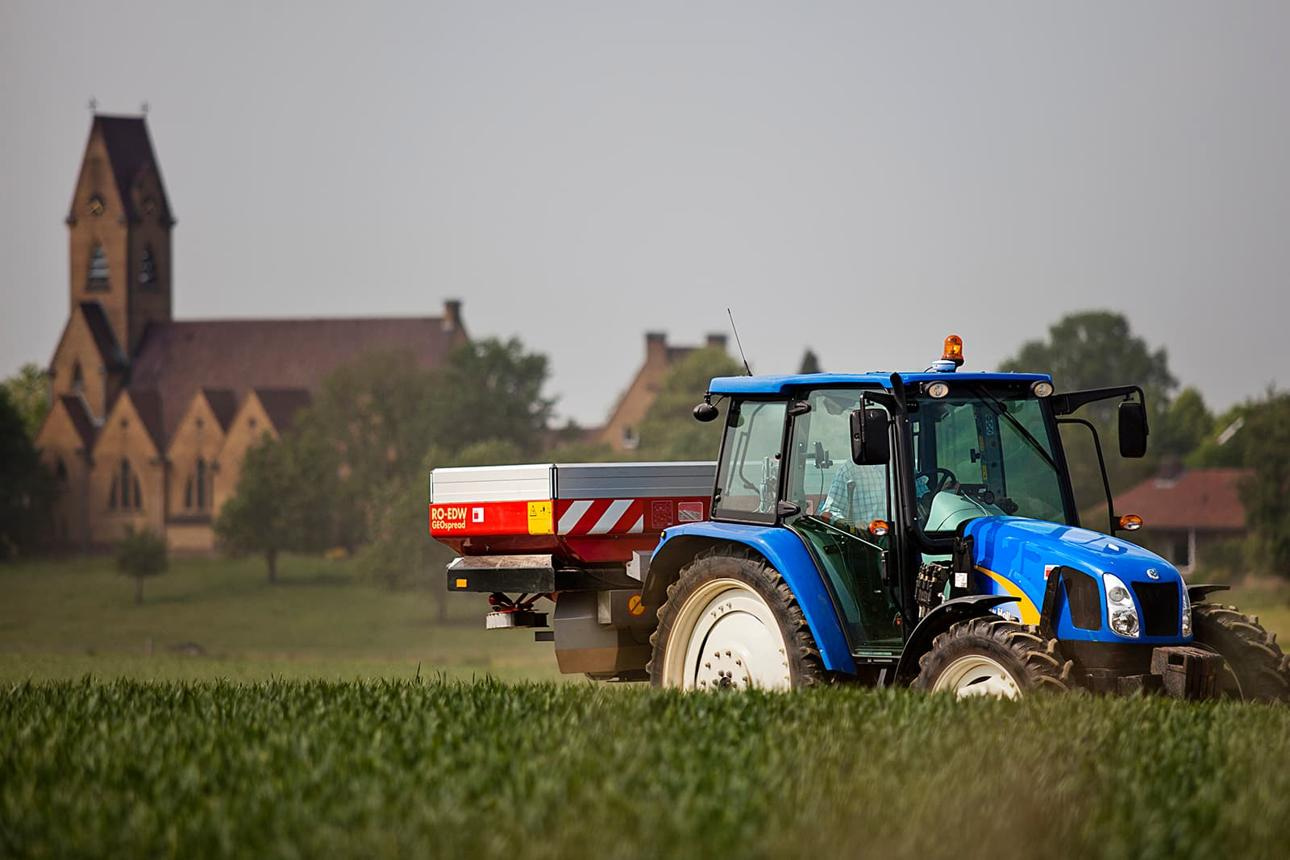
Brussels: EU farm ministers gave final approval on 13 July 2026 to a fertiliser aid package designed to shield growers from soaring input costs, closing a fast-tracked process the Commission had opened only a month earlier. The fertiliser aid marks Brussels’ most direct response yet to a price shock rippling out from wider geopolitical turmoil.

The Council signed off on targeted changes to the Common Agricultural Policy that let member states pay farmers in advance, easing the cash-flow squeeze many face before the next planting season. Governments can now channel money quickly to producers who must buy fertiliser now to protect their coming harvests.

The measures build on a broader relief plan the Commission proposed on 12 June 2026. That package tops up the EU’s agricultural reserve by an extra €300 million and aims to mobilise around €540 million in total relief. Member states may add national funds of up to 200% on top, pushing the potential support toward €1.5 billion across the bloc.

Brussels paired the emergency cash with a longer-term push to cut Europe’s dependence on imported fertiliser. The Commission wants to strengthen domestic production and speed the uptake of bio-based, low-carbon and circular fertilisers, arguing that home-grown supply protects both farm incomes and food security. The Council laid out the detail in its statement on the fertiliser measures.

Farm groups welcomed the speed but questioned the scale. Fertiliser prices have climbed steeply, and many growers argue that advance payments merely delay a reckoning rather than solve it. Smaller farms, with thinner margins and less access to credit, stand to gain most from faster payouts, yet they also depend on whether their own governments choose to top up the EU money. Farm unions have pressed capitals to move fast, warning that hesitation now could translate into thinner harvests next year.

The episode exposes a deeper vulnerability. Europe imports much of the natural gas that fertiliser factories burn to make ammonia, so every spike in energy markets feeds straight through to the price of feeding crops. That link has turned fertiliser into a food-security question as much as a farming one, and it explains why ministers moved with unusual haste.

Attention now shifts to national capitals, which must decide how far to stretch their own budgets to match Brussels. The Commission will track uptake through the autumn, and farmers can find further detail with the EU’s agriculture department. For growers watching their costs climb, the real test will be whether the aid arrives before the next invoice does.