August 12, 2026
LATEST
Minimum Wages Climb Fastest in Eastern Europe, Data ShowsEurope’s Electrification Plan Aims to Slash Fossil Fuel BillsCouncil Clears Fertiliser Aid to Shield Struggling EU FarmersCan Europe Court Beijing and Contain It at the Same Time?Korean Tanks Fill the Gaps Europe Cannot Arm Fast EnoughAustralia Becomes Europe’s Answer to China’s Mineral GripEurope and Japan Bet on Shared Labs to Outpace ChinaWhy Europe and South Korea Rewrote the Rules of Digital TradeNew Zealand Helps Europe Anchor Its Ambitions Across the PacificCompetitiveness Fund Faces Its First Real Test of DeliveryHorizon Europe Rolls Out Its 14 Billion Research PushCERV Programme Grants Target Civic Space Under StrainEurope’s Firefighting Fleet Faces Its Worst Season on RecordAI Gigafactories Draw a 30 Billion Euro Bid to Rival the USRail Passengers Win Full Rights on Multi-Leg TripsEuropean Universities Face a Budget and Reform TestTobacco Rules Face a Sweeping Reset as Vaping SurgesRiyadh Summit Tests Europe’s New Bet on the GulfEurope Pours Millions Into a Sudan Crisis It Cannot ReachBrussels Braces for a Bruising Fight Over Its New Space Act RulesMinimum Wages Climb Fastest in Eastern Europe, Data ShowsEurope’s Electrification Plan Aims to Slash Fossil Fuel BillsCouncil Clears Fertiliser Aid to Shield Struggling EU FarmersCan Europe Court Beijing and Contain It at the Same Time?Korean Tanks Fill the Gaps Europe Cannot Arm Fast EnoughAustralia Becomes Europe’s Answer to China’s Mineral GripEurope and Japan Bet on Shared Labs to Outpace ChinaWhy Europe and South Korea Rewrote the Rules of Digital TradeNew Zealand Helps Europe Anchor Its Ambitions Across the PacificCompetitiveness Fund Faces Its First Real Test of DeliveryHorizon Europe Rolls Out Its 14 Billion Research PushCERV Programme Grants Target Civic Space Under StrainEurope’s Firefighting Fleet Faces Its Worst Season on RecordAI Gigafactories Draw a 30 Billion Euro Bid to Rival the USRail Passengers Win Full Rights on Multi-Leg TripsEuropean Universities Face a Budget and Reform TestTobacco Rules Face a Sweeping Reset as Vaping SurgesRiyadh Summit Tests Europe’s New Bet on the GulfEurope Pours Millions Into a Sudan Crisis It Cannot ReachBrussels Braces for a Bruising Fight Over Its New Space Act Rules
August 12, 2026
LATEST
Minimum Wages Climb Fastest in Eastern Europe, Data ShowsEurope’s Electrification Plan Aims to Slash Fossil Fuel BillsCouncil Clears Fertiliser Aid to Shield Struggling EU FarmersCan Europe Court Beijing and Contain It at the Same Time?Korean Tanks Fill the Gaps Europe Cannot Arm Fast EnoughAustralia Becomes Europe’s Answer to China’s Mineral GripEurope and Japan Bet on Shared Labs to Outpace ChinaWhy Europe and South Korea Rewrote the Rules of Digital TradeNew Zealand Helps Europe Anchor Its Ambitions Across the PacificCompetitiveness Fund Faces Its First Real Test of DeliveryHorizon Europe Rolls Out Its 14 Billion Research PushCERV Programme Grants Target Civic Space Under StrainEurope’s Firefighting Fleet Faces Its Worst Season on RecordAI Gigafactories Draw a 30 Billion Euro Bid to Rival the USRail Passengers Win Full Rights on Multi-Leg TripsEuropean Universities Face a Budget and Reform TestTobacco Rules Face a Sweeping Reset as Vaping SurgesRiyadh Summit Tests Europe’s New Bet on the GulfEurope Pours Millions Into a Sudan Crisis It Cannot ReachBrussels Braces for a Bruising Fight Over Its New Space Act RulesMinimum Wages Climb Fastest in Eastern Europe, Data ShowsEurope’s Electrification Plan Aims to Slash Fossil Fuel BillsCouncil Clears Fertiliser Aid to Shield Struggling EU FarmersCan Europe Court Beijing and Contain It at the Same Time?Korean Tanks Fill the Gaps Europe Cannot Arm Fast EnoughAustralia Becomes Europe’s Answer to China’s Mineral GripEurope and Japan Bet on Shared Labs to Outpace ChinaWhy Europe and South Korea Rewrote the Rules of Digital TradeNew Zealand Helps Europe Anchor Its Ambitions Across the PacificCompetitiveness Fund Faces Its First Real Test of DeliveryHorizon Europe Rolls Out Its 14 Billion Research PushCERV Programme Grants Target Civic Space Under StrainEurope’s Firefighting Fleet Faces Its Worst Season on RecordAI Gigafactories Draw a 30 Billion Euro Bid to Rival the USRail Passengers Win Full Rights on Multi-Leg TripsEuropean Universities Face a Budget and Reform TestTobacco Rules Face a Sweeping Reset as Vaping SurgesRiyadh Summit Tests Europe’s New Bet on the GulfEurope Pours Millions Into a Sudan Crisis It Cannot ReachBrussels Braces for a Bruising Fight Over Its New Space Act Rules

Can Europe Court Beijing and Contain It at the Same Time?

Berlin: Europe has entered the second half of 2026 trying to hold two ideas in its head at once. It wants to keep talking to Beijing, and it wants to keep protecting itself from the very partner it is talking to. Officials in Brussels now describe this awkward posture as a “do no harm” phase, a deliberately modest ambition that reveals just how little trust survives on either side.

The mechanics of engagement are moving again. Vice-minister level meetings run through August and September, and the European side has set an informal October deadline for what it calls tangible progress. That progress is meant to cover the trade imbalance, Chinese industrial subsidies, and the flow of dual-use goods that end up supporting Russia’s war. None of these files lends itself to a quick handshake, and both governments know it.

Trade defence keeps intruding on the diplomacy. In early July the Commission confirmed definitive anti-dumping duties on car and light-lorry tyres made in China, another entry in a lengthening list that already includes electric vehicles and steel. Each measure lands as a reminder that Europe no longer treats open markets as a virtue in themselves. It now weighs every import against a harder question about dependence and leverage.

Berlin captures the contradiction better than any capital. German carmakers still need Chinese batteries, Chinese processing, and the Chinese consumer, yet the same firms complain loudest about state-backed competition at home. The German government wants Brussels to stay firm without provoking a rupture that would strand its own industry. That balancing act shapes the wider European position more than any strategy document.

The Commission’s own trade figures explain the anxiety. Europe runs a vast goods deficit with China and imports the bulk of the critical minerals and clean-technology components its climate targets require. A relationship that once looked like commercial opportunity now reads, in Brussels, as a catalogue of chokepoints that Beijing could squeeze at will.

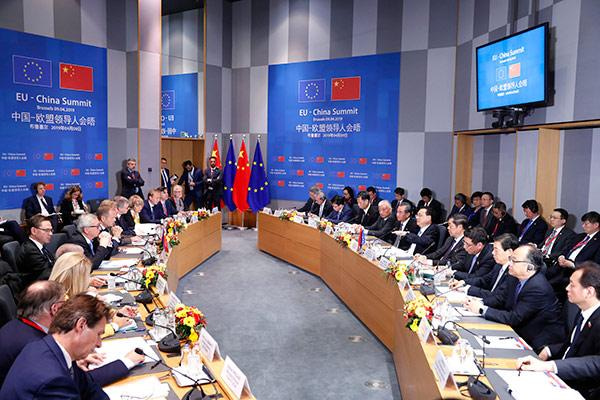
China reads the moment differently. Its officials sense a Europe distracted by a transatlantic partner it can no longer take for granted, and they calculate that patience serves them well. Keep the channels open, avoid dramatic concessions, and let European unity fray under its own economic pressures. That approach frustrates negotiators who want deliverables, not atmosphere.

The deeper problem is that Europe still lacks a single China policy that all twenty-seven governments will defend. Some capitals prize market access, others prize security, and a few simply want the argument to go away. Until that gap closes, every summit will produce warm language and thin results, and the October deadline will most likely pass with talks about more talks.

What has changed is the honesty. European leaders no longer pretend that engagement and rivalry can be neatly separated. They have accepted that the two run together, permanently, and that managing the friction is now the job itself. Courting Beijing while containing it is not a strategy anyone chose. It is the condition Europe has been handed, and 2026 is the year it stopped denying it.