August 12, 2026
LATEST
Minimum Wages Climb Fastest in Eastern Europe, Data ShowsEurope’s Electrification Plan Aims to Slash Fossil Fuel BillsCouncil Clears Fertiliser Aid to Shield Struggling EU FarmersCan Europe Court Beijing and Contain It at the Same Time?Korean Tanks Fill the Gaps Europe Cannot Arm Fast EnoughAustralia Becomes Europe’s Answer to China’s Mineral GripEurope and Japan Bet on Shared Labs to Outpace ChinaWhy Europe and South Korea Rewrote the Rules of Digital TradeNew Zealand Helps Europe Anchor Its Ambitions Across the PacificCompetitiveness Fund Faces Its First Real Test of DeliveryHorizon Europe Rolls Out Its 14 Billion Research PushCERV Programme Grants Target Civic Space Under StrainEurope’s Firefighting Fleet Faces Its Worst Season on RecordAI Gigafactories Draw a 30 Billion Euro Bid to Rival the USRail Passengers Win Full Rights on Multi-Leg TripsEuropean Universities Face a Budget and Reform TestTobacco Rules Face a Sweeping Reset as Vaping SurgesRiyadh Summit Tests Europe’s New Bet on the GulfEurope Pours Millions Into a Sudan Crisis It Cannot ReachBrussels Braces for a Bruising Fight Over Its New Space Act RulesMinimum Wages Climb Fastest in Eastern Europe, Data ShowsEurope’s Electrification Plan Aims to Slash Fossil Fuel BillsCouncil Clears Fertiliser Aid to Shield Struggling EU FarmersCan Europe Court Beijing and Contain It at the Same Time?Korean Tanks Fill the Gaps Europe Cannot Arm Fast EnoughAustralia Becomes Europe’s Answer to China’s Mineral GripEurope and Japan Bet on Shared Labs to Outpace ChinaWhy Europe and South Korea Rewrote the Rules of Digital TradeNew Zealand Helps Europe Anchor Its Ambitions Across the PacificCompetitiveness Fund Faces Its First Real Test of DeliveryHorizon Europe Rolls Out Its 14 Billion Research PushCERV Programme Grants Target Civic Space Under StrainEurope’s Firefighting Fleet Faces Its Worst Season on RecordAI Gigafactories Draw a 30 Billion Euro Bid to Rival the USRail Passengers Win Full Rights on Multi-Leg TripsEuropean Universities Face a Budget and Reform TestTobacco Rules Face a Sweeping Reset as Vaping SurgesRiyadh Summit Tests Europe’s New Bet on the GulfEurope Pours Millions Into a Sudan Crisis It Cannot ReachBrussels Braces for a Bruising Fight Over Its New Space Act Rules
August 12, 2026
LATEST
Minimum Wages Climb Fastest in Eastern Europe, Data ShowsEurope’s Electrification Plan Aims to Slash Fossil Fuel BillsCouncil Clears Fertiliser Aid to Shield Struggling EU FarmersCan Europe Court Beijing and Contain It at the Same Time?Korean Tanks Fill the Gaps Europe Cannot Arm Fast EnoughAustralia Becomes Europe’s Answer to China’s Mineral GripEurope and Japan Bet on Shared Labs to Outpace ChinaWhy Europe and South Korea Rewrote the Rules of Digital TradeNew Zealand Helps Europe Anchor Its Ambitions Across the PacificCompetitiveness Fund Faces Its First Real Test of DeliveryHorizon Europe Rolls Out Its 14 Billion Research PushCERV Programme Grants Target Civic Space Under StrainEurope’s Firefighting Fleet Faces Its Worst Season on RecordAI Gigafactories Draw a 30 Billion Euro Bid to Rival the USRail Passengers Win Full Rights on Multi-Leg TripsEuropean Universities Face a Budget and Reform TestTobacco Rules Face a Sweeping Reset as Vaping SurgesRiyadh Summit Tests Europe’s New Bet on the GulfEurope Pours Millions Into a Sudan Crisis It Cannot ReachBrussels Braces for a Bruising Fight Over Its New Space Act RulesMinimum Wages Climb Fastest in Eastern Europe, Data ShowsEurope’s Electrification Plan Aims to Slash Fossil Fuel BillsCouncil Clears Fertiliser Aid to Shield Struggling EU FarmersCan Europe Court Beijing and Contain It at the Same Time?Korean Tanks Fill the Gaps Europe Cannot Arm Fast EnoughAustralia Becomes Europe’s Answer to China’s Mineral GripEurope and Japan Bet on Shared Labs to Outpace ChinaWhy Europe and South Korea Rewrote the Rules of Digital TradeNew Zealand Helps Europe Anchor Its Ambitions Across the PacificCompetitiveness Fund Faces Its First Real Test of DeliveryHorizon Europe Rolls Out Its 14 Billion Research PushCERV Programme Grants Target Civic Space Under StrainEurope’s Firefighting Fleet Faces Its Worst Season on RecordAI Gigafactories Draw a 30 Billion Euro Bid to Rival the USRail Passengers Win Full Rights on Multi-Leg TripsEuropean Universities Face a Budget and Reform TestTobacco Rules Face a Sweeping Reset as Vaping SurgesRiyadh Summit Tests Europe’s New Bet on the GulfEurope Pours Millions Into a Sudan Crisis It Cannot ReachBrussels Braces for a Bruising Fight Over Its New Space Act Rules

Korean Tanks Fill the Gaps Europe Cannot Arm Fast Enough

Warsaw: When European governments promised to rearm after 2022, they discovered an uncomfortable truth. Their own factories could not build fast enough, and their own budgets could not wait. Into that gap stepped South Korea, whose defence industry now supplies some of the continent’s most eager buyers and quietly binds Seoul to European security in ways few predicted a decade ago.

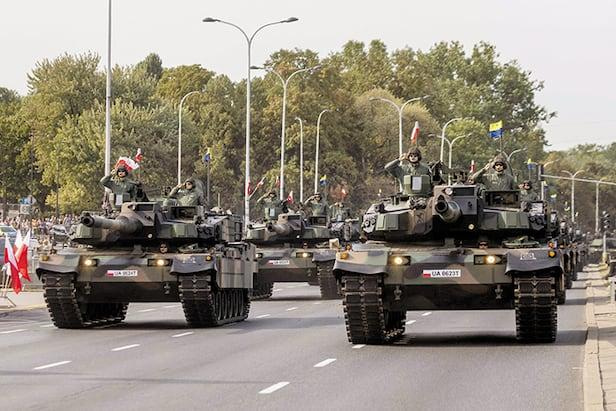
Poland leads the shift. Warsaw has ordered Korean K2 tanks and K9 howitzers in numbers that dwarf anything Europe’s own producers could deliver on the same timetable, and it has secured local assembly that keeps jobs and know-how on Polish soil. Other governments along the eastern flank now study the same model, weighing national pride against the simple need for equipment that arrives on schedule.

The appeal is industrial as much as strategic. Korean firms run production lines built for speed and volume, a legacy of decades spent facing a heavily armed neighbour across the demilitarised zone. They offer proven hardware, generous financing, and a willingness to share manufacturing that European rivals have been slower to match. For a continent racing to refill depleted stockpiles, those terms matter more than sentiment.

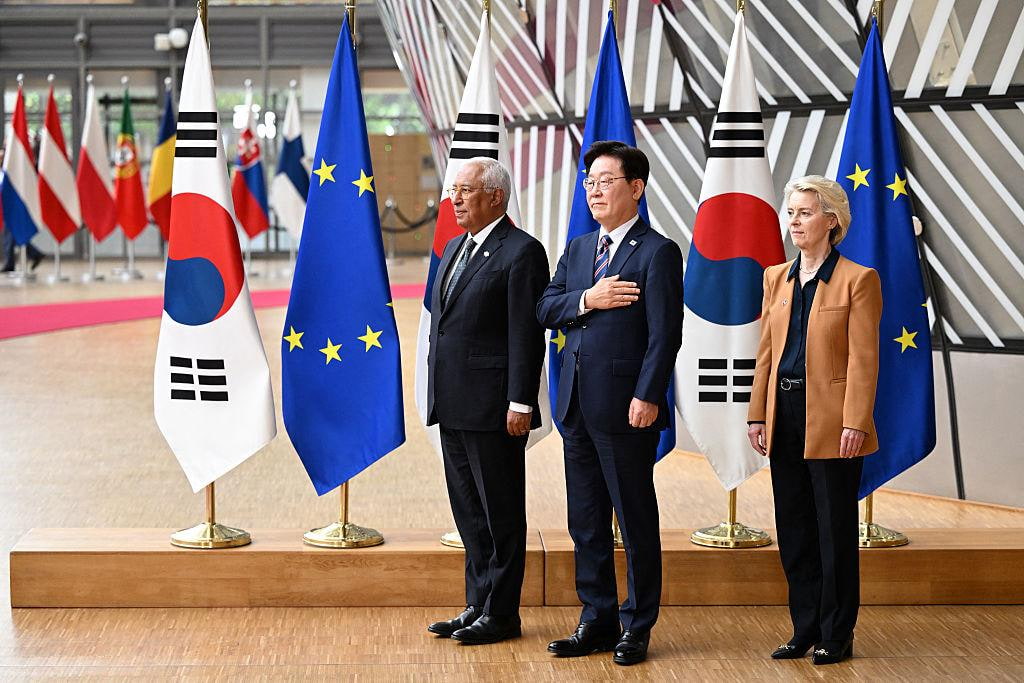
This commercial relationship rests on a firmer political footing than it once did. The European Union and the Republic of Korea signed a security and defence partnership in late 2024, and leaders reviewed its implementation this year, pledging deeper work on maritime security, cyber threats, and defence industry cooperation. Arms sales now sit inside a broader framework rather than standing alone as opportunistic deals.

Seoul gains from the arrangement too. Every contract with a European army diversifies Korean exports away from a handful of traditional customers and earns Seoul goodwill in a bloc that shapes global rules on trade and technology. It also gives Korea a stake in European stability, a striking development for a country whose security horizon once ended at its own peninsula.

Not everyone in Europe welcomes the trend. Defence champions in France and Germany warn that leaning on foreign suppliers, even friendly ones, undercuts the case for building a sovereign European industrial base. They argue that money spent in Changwon is money not spent in Europe, and that dependence on any external producer carries risk when the next crisis strikes.

The counter-argument is brutally practical. Europe cannot wait years for domestic lines to mature while Russia reconstitutes its forces, and Korean equipment plugs the shortfall now. Buyers insist the choice is not Korea instead of Europe, but Korea alongside Europe until the continent’s own capacity catches up. Whether that catching up ever happens remains the open question.

For now the trajectory is clear. Korean armour rolls off transport ships in European ports, Korean engineers train European crews, and a partnership that began as a transaction is hardening into something strategic. The Indo-Pacific and the European theatre, long treated as separate worlds, increasingly draw their security from the same supply chains.