October 6, 2026
LATEST
EUBAM Rafah Renewal Keeps Europe In Gaza Border PlansEUMAM Ukraine Extension Keeps Training On Track For KyivMoldova EU Accession Gains Pace After Two Clusters OpenIndonesia EU CEPA Signing Races The GSP Cliff Of DecemberEmbassies In Kyiv Stay Open After Moscow Warns Diplomats To LeaveAnti-Poverty Strategy Needs Faster Progress Before 2030 GoalLatvia Election Results Hand Pro-Ukraine United List 41 SeatsRecovery and Resilience Facility Enters Final Payout PhaseBosnia Election Results Leave EU Reforms And €374 Million At RiskAir Passenger Rights Deal Keeps The Three-Hour Delay RuleEuro Area Unemployment Rate Holds At 6.4 percent Since FebruaryParcel Customs Duty Of €3 Squeezes Cheap Imports To 2028Addictive Design Takes Centre Stage In The Digital Fairness ActPanama And Viet Nam Face The EU Tax Blacklist Review In OctoberEU Accession Roadmaps Wait For A Review Delayed Until 6 OctoberAffordable housing plan meets its Strasbourg momentPsychosocial risks directive vote tests MEPs on burnoutCounterfeit medicines online reach the Strasbourg agendaBurnham Reopens The Brexit Debate Before The November EU-UK SummitPriority Dispatch For Renewables Faces A Commission Rethink After 2030EUBAM Rafah Renewal Keeps Europe In Gaza Border PlansEUMAM Ukraine Extension Keeps Training On Track For KyivMoldova EU Accession Gains Pace After Two Clusters OpenIndonesia EU CEPA Signing Races The GSP Cliff Of DecemberEmbassies In Kyiv Stay Open After Moscow Warns Diplomats To LeaveAnti-Poverty Strategy Needs Faster Progress Before 2030 GoalLatvia Election Results Hand Pro-Ukraine United List 41 SeatsRecovery and Resilience Facility Enters Final Payout PhaseBosnia Election Results Leave EU Reforms And €374 Million At RiskAir Passenger Rights Deal Keeps The Three-Hour Delay RuleEuro Area Unemployment Rate Holds At 6.4 percent Since FebruaryParcel Customs Duty Of €3 Squeezes Cheap Imports To 2028Addictive Design Takes Centre Stage In The Digital Fairness ActPanama And Viet Nam Face The EU Tax Blacklist Review In OctoberEU Accession Roadmaps Wait For A Review Delayed Until 6 OctoberAffordable housing plan meets its Strasbourg momentPsychosocial risks directive vote tests MEPs on burnoutCounterfeit medicines online reach the Strasbourg agendaBurnham Reopens The Brexit Debate Before The November EU-UK SummitPriority Dispatch For Renewables Faces A Commission Rethink After 2030
October 6, 2026
LATEST
EUBAM Rafah Renewal Keeps Europe In Gaza Border PlansEUMAM Ukraine Extension Keeps Training On Track For KyivMoldova EU Accession Gains Pace After Two Clusters OpenIndonesia EU CEPA Signing Races The GSP Cliff Of DecemberEmbassies In Kyiv Stay Open After Moscow Warns Diplomats To LeaveAnti-Poverty Strategy Needs Faster Progress Before 2030 GoalLatvia Election Results Hand Pro-Ukraine United List 41 SeatsRecovery and Resilience Facility Enters Final Payout PhaseBosnia Election Results Leave EU Reforms And €374 Million At RiskAir Passenger Rights Deal Keeps The Three-Hour Delay RuleEuro Area Unemployment Rate Holds At 6.4 percent Since FebruaryParcel Customs Duty Of €3 Squeezes Cheap Imports To 2028Addictive Design Takes Centre Stage In The Digital Fairness ActPanama And Viet Nam Face The EU Tax Blacklist Review In OctoberEU Accession Roadmaps Wait For A Review Delayed Until 6 OctoberAffordable housing plan meets its Strasbourg momentPsychosocial risks directive vote tests MEPs on burnoutCounterfeit medicines online reach the Strasbourg agendaBurnham Reopens The Brexit Debate Before The November EU-UK SummitPriority Dispatch For Renewables Faces A Commission Rethink After 2030EUBAM Rafah Renewal Keeps Europe In Gaza Border PlansEUMAM Ukraine Extension Keeps Training On Track For KyivMoldova EU Accession Gains Pace After Two Clusters OpenIndonesia EU CEPA Signing Races The GSP Cliff Of DecemberEmbassies In Kyiv Stay Open After Moscow Warns Diplomats To LeaveAnti-Poverty Strategy Needs Faster Progress Before 2030 GoalLatvia Election Results Hand Pro-Ukraine United List 41 SeatsRecovery and Resilience Facility Enters Final Payout PhaseBosnia Election Results Leave EU Reforms And €374 Million At RiskAir Passenger Rights Deal Keeps The Three-Hour Delay RuleEuro Area Unemployment Rate Holds At 6.4 percent Since FebruaryParcel Customs Duty Of €3 Squeezes Cheap Imports To 2028Addictive Design Takes Centre Stage In The Digital Fairness ActPanama And Viet Nam Face The EU Tax Blacklist Review In OctoberEU Accession Roadmaps Wait For A Review Delayed Until 6 OctoberAffordable housing plan meets its Strasbourg momentPsychosocial risks directive vote tests MEPs on burnoutCounterfeit medicines online reach the Strasbourg agendaBurnham Reopens The Brexit Debate Before The November EU-UK SummitPriority Dispatch For Renewables Faces A Commission Rethink After 2030

Psychosocial risks directive vote tests MEPs on burnout

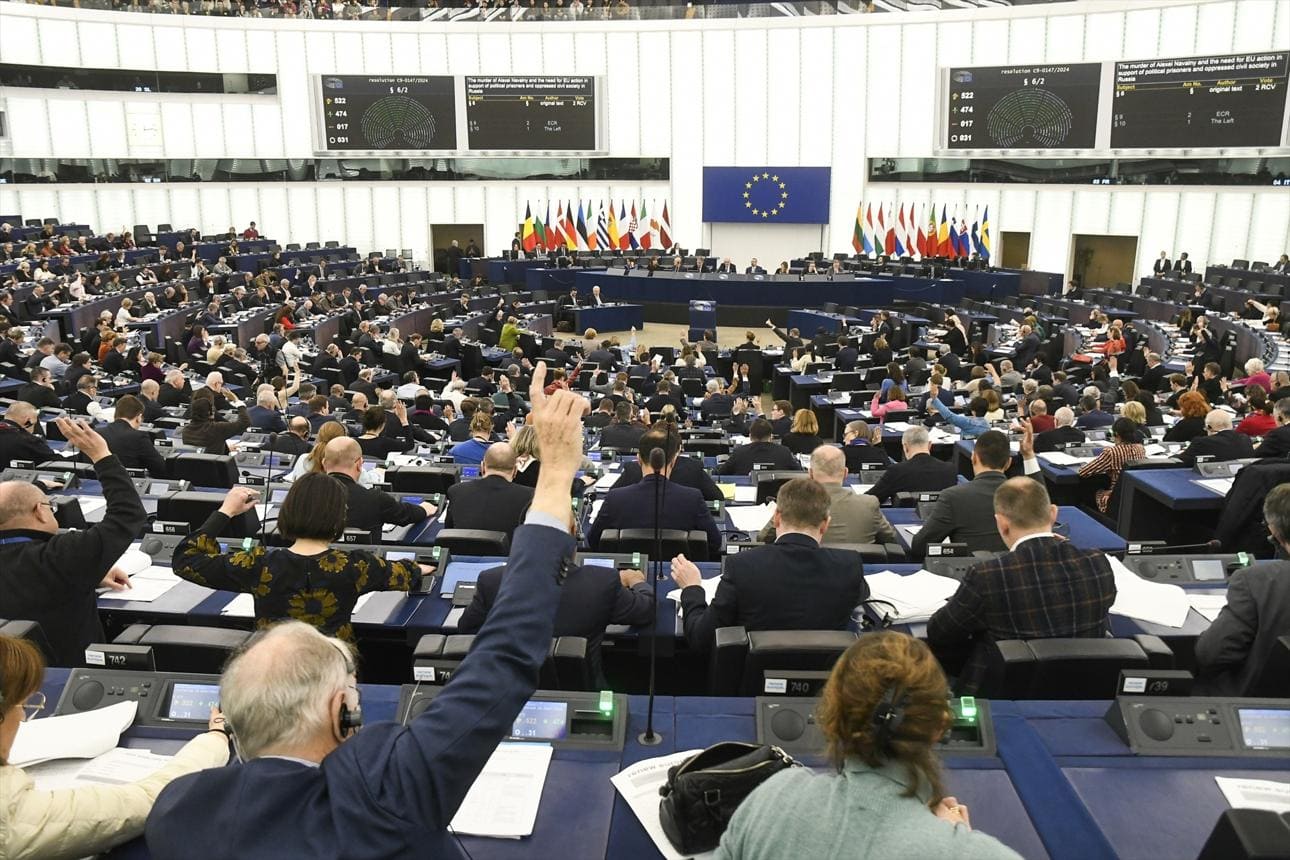
A psychosocial risks directive is the demand at the centre of the European Parliament’s vote on Tuesday 6 October, when MEPs decide whether to ask the Commission for binding EU rules on work-related stress, burnout and depression. The proposal is a legislative-initiative report by Belgian S&D member Estelle Ceulemans, and the Employment Committee approved it with 41 votes in favour and 12 against ahead of the plenary.

Parliament cannot write legislation itself, so the report uses its right of initiative to ask the Commission to put forward a psychosocial risks directive. The Commission is not bound to follow, but it is expected to respond formally, and a strong majority would raise the political price of saying no. The existing framework is Directive 89/391/EEC on health and safety at work, which covers psychosocial risks in general terms but gives employers little concrete guidance.

The evidence the rapporteur cites is stark. Psychosocial risks account for roughly 60 percent of lost working days in the EU, and work-related depression costs about €100 billion a year, according to figures presented with the report. Supporters argue that this makes the issue an economic one as much as an occupational health obligation.

Artificial intelligence has sharpened the debate. An estimated 42.3 percent of EU workers are already subject to algorithmic management, a share that could reach 55.5 percent within five years. The report therefore asks for mandatory psychosocial risk assessments before employers introduce AI systems, automation or restructuring. Employers would also have to draw up action plans to reduce identified risks, adopt policies against violence, harassment, bullying and discrimination, and prepare individual return-to-work plans for staff absent because of work-related problems.

The most contested element is the burden of proof. The text would presume that a work-related injury is work-related unless the employer proves otherwise, which reverses the position in most national systems. Business groups say this invites litigation. BusinessEurope has urged MEPs to reject the report to avoid what it calls gold-plating and legislative red tape. Margarita de la Pisa Carrión, the shadow rapporteur for the Patriots for Europe group, argued in committee that the text fails to balance worker protection with operational flexibility for employers.

Unions and mental health advocates say a psychosocial risks directive is overdue and respond that voluntary guidance has been tried for two decades with limited effect. They point to the cost of inaction in sick leave, early retirement and lost productivity, and they note that small firms would benefit from a clear and uniform standard instead of a patchwork of national rules.

The outcome of the vote on a psychosocial risks directive depends on the centre-right. The European People’s Party has often favoured lighter regulation during the current simplification drive, and its members may seek amendments that soften the burden-of-proof clause. A narrow vote on the psychosocial risks directive would give the Commission an easy reason to delay, while a comfortable majority would put a psychosocial risks directive on the agenda for the next work programme. Either way, the debate shows that the future of the workplace in Brussels is now as much about algorithms and mental health as about wages and hours.