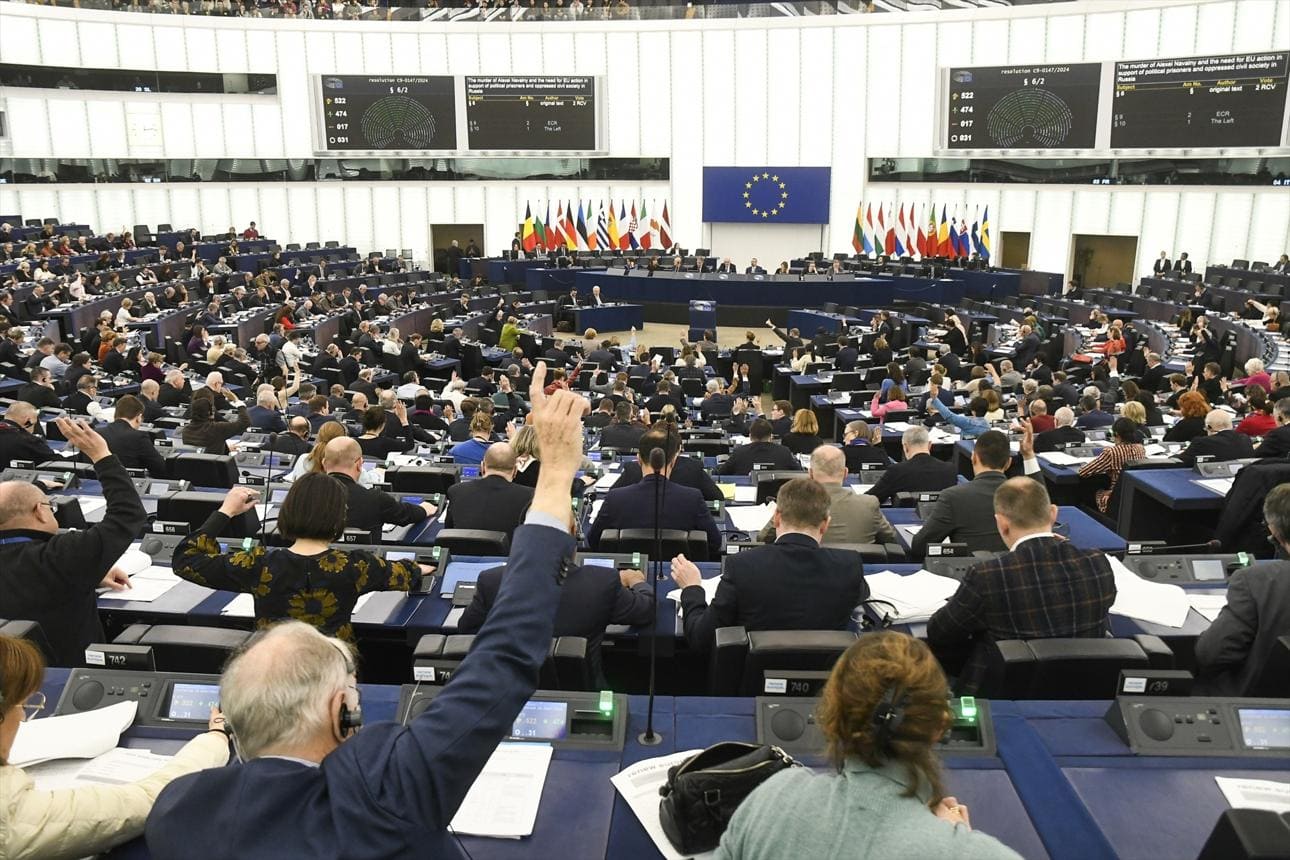
The affordable housing plan returns to the European Parliament on Tuesday 6 October, when MEPs in Strasbourg debate the legal tools that local authorities say they need to tackle Europe’s housing crisis. The session, which the Socialists and Democrats list as a debate on an Affordable Housing Act, is the clearest sign yet that the Commission’s plan is moving from strategy paper to possible legislation.
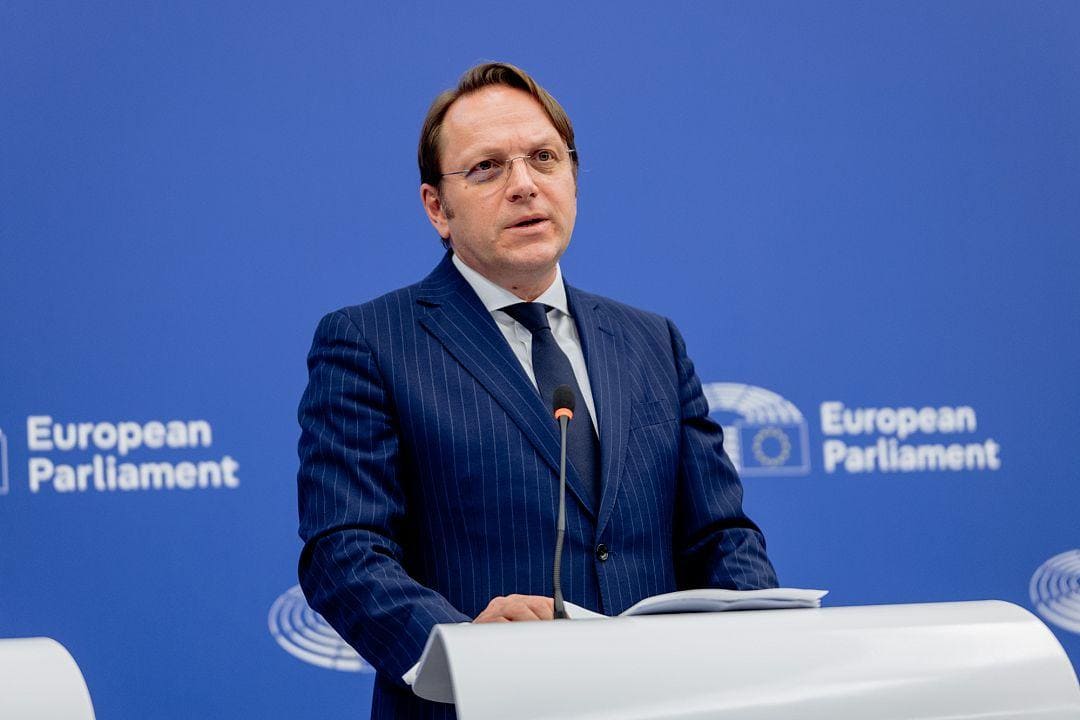
The Commission presented the affordable housing plan in December 2025 under Housing Commissioner Dan Jørgensen, and Parliament added its own demands in a report it adopted in February 2026. The political logic is simple. One in ten Europeans spends nearly half of their income on housing, and city mayors from Rome to Dublin argue that national budgets cannot close the gap alone. Rome’s mayor, Roberto Gualtieri, has put the annual need at €153 billion across the Union.
Money is already moving through the European Investment Bank, which acts as the financial arm of the affordable housing plan. The bank supported €5.2 billion of housing projects in 2025, a 50 percent increase on the previous year, and aims for €6 billion in 2026. Over five years it expects to mobilise €18 billion for affordable and sustainable housing. A separate Housing Tech EU Pact adds a €400 million lending envelope to modernise construction methods. EIB loan terms now carry clauses that bar speculative resale and require financed buildings to stay dedicated to affordable use, which gives the affordable housing plan a first enforcement mechanism.
The case for acting is also economic. The EIB estimates that closing housing shortages could lift EU output by 1.7 percent, and by as much as 7.3 percent in the hardest-hit member states. The building stock adds another burden, because 85 percent of EU buildings date from before 2000 and 70 percent have low energy performance. Renovation and new construction therefore overlap with the Union’s climate goals and its cohesion agenda.
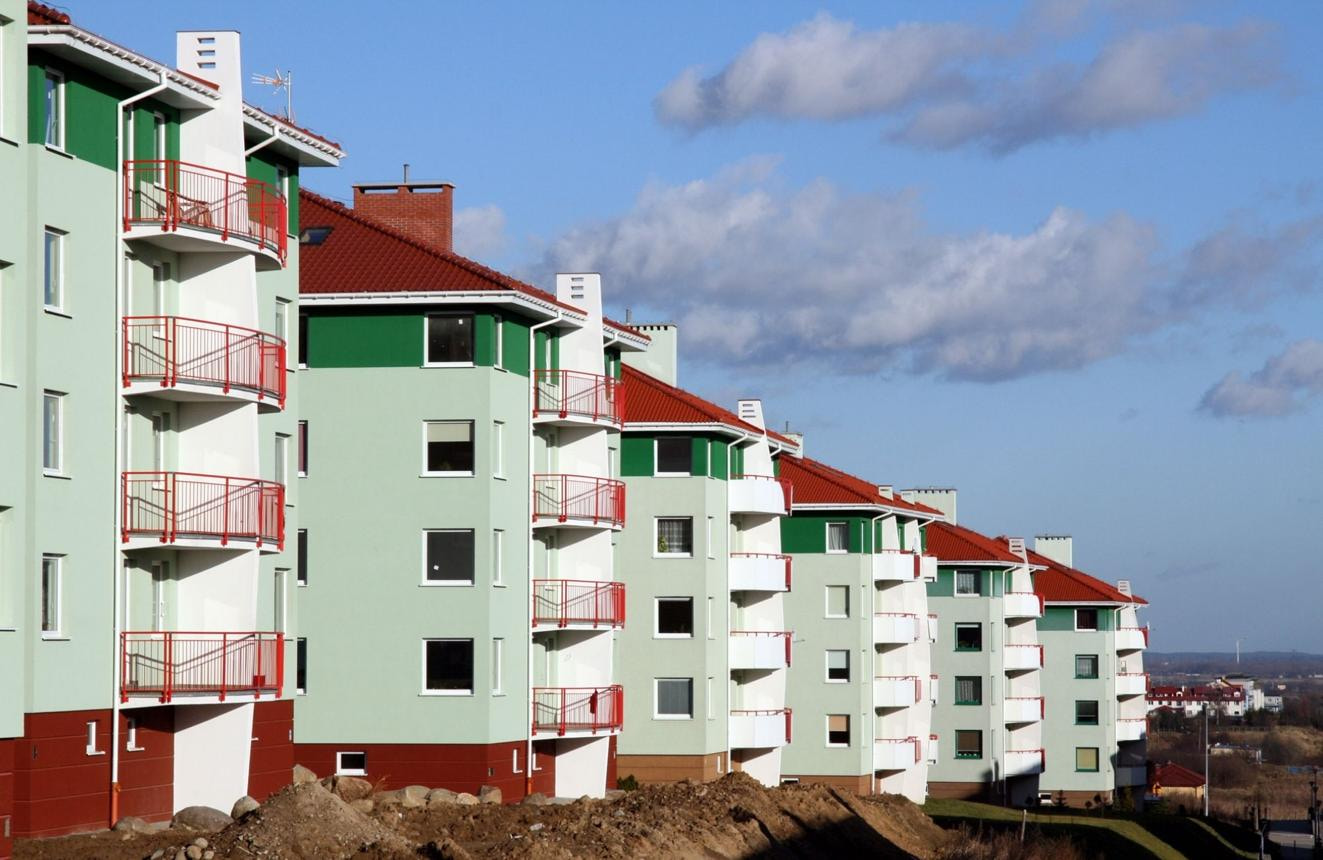
What would an Affordable Housing Act add? Supporters want a common legal vocabulary, so that “affordable” and “social” housing mean the same thing in Lisbon and Warsaw. They also want public authorities to gain a right of first refusal when large residential assets are sold, and clearer rules on conversions of homes into tourist rentals. Mayors point to funds that buy entire buildings and convert them for short-term lets, which removes homes from the local market within months.
Opposition will come from several directions. Property owners and some capitals warn about interference with national property rights, and the Treaties give the Union limited competence over housing itself. Planning rules are another sticking point, since outdated national codes can raise construction costs sharply, and no EU act can rewrite them. Finance ministers will also ask whether state aid rules need loosening before public housing companies can build at scale.
For the cohesion community, the debate has a further meaning, because the affordable housing plan depends on regional money. Regional funds and the next multiannual financial framework will decide how much money reaches municipalities, which is why the affordable housing plan is likely to appear again when leaders meet on 15 and 16 October. Tuesday’s discussion will not itself change the law, but it will show how much political weight Parliament will put behind a binding act, and that signal will shape the Commission’s drafting over the coming months.