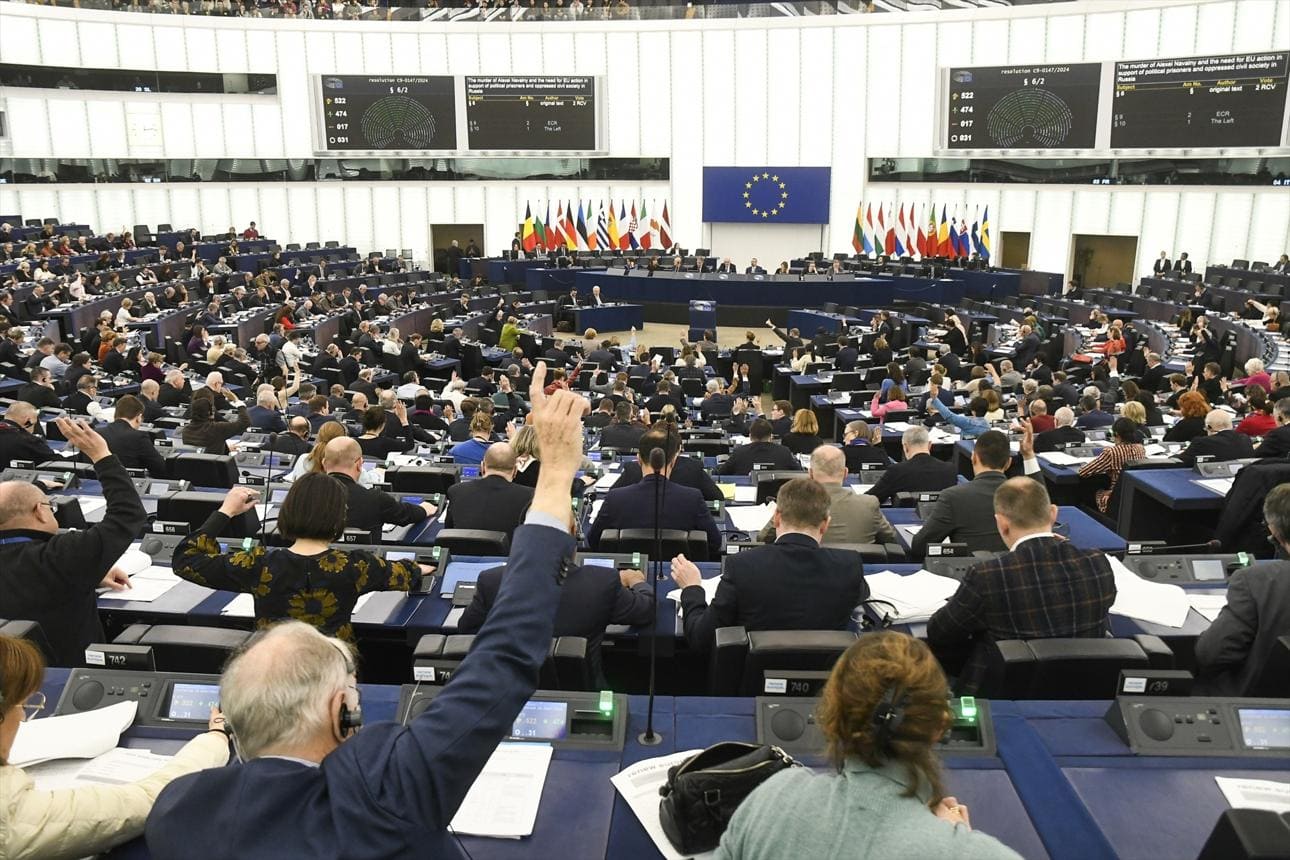
Counterfeit medicines online have moved from a niche enforcement problem to a plenary topic, as the European Parliament debates on Monday 5 October how to protect patients from illegal and falsified medicines sold over the internet. The timing follows a Euronews investigation published on 29 September that traced deadly fake painkillers sold through online pharmacies across Europe.
The numbers explain the concern. EU authorities seized more than €33 million worth of counterfeit medicines in 2025, according to the figures cited in that reporting, and investigators say the seizures capture only a fraction of what circulates. Criminal networks exploit the explosion of online marketplaces and small parcel shipments, which makes interception at the border close to impossible. A single package of pills is cheap to mail, easy to hide and rarely inspected.
The human cost is most visible in the Netherlands, where fake oxycodone tablets containing nitazenes have been linked to several deaths. Nitazenes are synthetic opioids that reporting describes as up to 500 times stronger than morphine, so a buyer who believes they are taking an ordinary painkiller can suffer fatal respiratory failure within minutes. That risk illustrates why counterfeit medicines online are a public health issue and not merely a consumer protection issue.
The legal framework against counterfeit medicines online was built for a different era. The Falsified Medicines Directive, Directive 2011/62/EU, introduced safety features and unique identifiers for prescription packs in the legal supply chain, along with a common logo for authorised online sellers. Those tools protect pharmacies that follow the rules. They do little against anonymous sellers who operate through social media, messaging apps and short-lived web shops, and who never enter the regulated chain at all.
Social media adds a further layer. Influencers sometimes promote counterfeit products as “dupes” or “clones” without realising what they are advertising, and many consumers assume that anything sold on a polished online platform must be legitimate. Penalties are low compared with the profit margins, so organised crime has diversified from luxury goods and electronics into medicines.
MEPs are therefore likely to press the Commission on three fronts. The first is platform accountability under the Digital Services Act, including faster removal of listings and clearer duties for marketplaces to verify sellers. The second is cooperation between customs authorities, the European Medicines Agency, Europol and national regulators, which still share data unevenly. The third is public awareness, since the strongest defence against counterfeit medicines online remains a patient who knows to check the authorised-seller logo and to ask a pharmacist.
Whether the plenary debate on counterfeit medicines online leads to binding action is uncertain. A debate does not itself change the law, and any revision of the pharmaceutical framework would take years. Even so, the discussion gives lawmakers a chance to demand concrete deadlines for platform enforcement and cross-border data sharing. For patients facing counterfeit medicines online, the practical message is simple: if a prescription-only medicine is offered without a prescription, or at a price far below the pharmacy’s, the offer should be treated as a warning and not as a bargain.