October 6, 2026
LATEST
Poland Border Controls Stay Until March 2027 As Warsaw Cites BelarusFrench Bond Yields Near 5 percent And Expose Limits Of The ECB BackstopPortugal Defends Cohesion As EU Budget Contributions SplitApple DMA Compliance Faces Brussels Test As New App Fees StartAnti-SLAPP Directive Gaps Shadow Politkovskaya AnniversaryUkraine Minority Education Bill Tests Hungary’s New ToneMoldova EU Accession Gets A €157 Million Reform PayoutSingle Market Exclusion Power Gives Brussels A China LeverSnap Election In Spain Turns Housing Into The Ballot IssueRetail Trade Volume Drops 0.6 percent As German Shoppers RetreatDemocratic Participation Draws 484 Irish Consultation SubmissionsEducation Ministers Gather In Dublin To Test The Union Of SkillsEurojust Regulation Overhaul Seeks €119 Million And 87 New PostsEU Space Act Awaits Parliament Verdict As 2030 Date LoomsChile Interim Trade Agreement Anchors Europe’s Lithium And HydrogenAustralia Trade Agreement Tests Brussels On Beef Quotas And LithiumEUBAM Rafah Renewal Keeps Europe In Gaza Border PlansEUMAM Ukraine Extension Keeps Training On Track For KyivMoldova EU Accession Gains Pace After Two Clusters OpenIndonesia EU CEPA Signing Races The GSP Cliff Of DecemberPoland Border Controls Stay Until March 2027 As Warsaw Cites BelarusFrench Bond Yields Near 5 percent And Expose Limits Of The ECB BackstopPortugal Defends Cohesion As EU Budget Contributions SplitApple DMA Compliance Faces Brussels Test As New App Fees StartAnti-SLAPP Directive Gaps Shadow Politkovskaya AnniversaryUkraine Minority Education Bill Tests Hungary’s New ToneMoldova EU Accession Gets A €157 Million Reform PayoutSingle Market Exclusion Power Gives Brussels A China LeverSnap Election In Spain Turns Housing Into The Ballot IssueRetail Trade Volume Drops 0.6 percent As German Shoppers RetreatDemocratic Participation Draws 484 Irish Consultation SubmissionsEducation Ministers Gather In Dublin To Test The Union Of SkillsEurojust Regulation Overhaul Seeks €119 Million And 87 New PostsEU Space Act Awaits Parliament Verdict As 2030 Date LoomsChile Interim Trade Agreement Anchors Europe’s Lithium And HydrogenAustralia Trade Agreement Tests Brussels On Beef Quotas And LithiumEUBAM Rafah Renewal Keeps Europe In Gaza Border PlansEUMAM Ukraine Extension Keeps Training On Track For KyivMoldova EU Accession Gains Pace After Two Clusters OpenIndonesia EU CEPA Signing Races The GSP Cliff Of December
October 6, 2026
LATEST
Poland Border Controls Stay Until March 2027 As Warsaw Cites BelarusFrench Bond Yields Near 5 percent And Expose Limits Of The ECB BackstopPortugal Defends Cohesion As EU Budget Contributions SplitApple DMA Compliance Faces Brussels Test As New App Fees StartAnti-SLAPP Directive Gaps Shadow Politkovskaya AnniversaryUkraine Minority Education Bill Tests Hungary’s New ToneMoldova EU Accession Gets A €157 Million Reform PayoutSingle Market Exclusion Power Gives Brussels A China LeverSnap Election In Spain Turns Housing Into The Ballot IssueRetail Trade Volume Drops 0.6 percent As German Shoppers RetreatDemocratic Participation Draws 484 Irish Consultation SubmissionsEducation Ministers Gather In Dublin To Test The Union Of SkillsEurojust Regulation Overhaul Seeks €119 Million And 87 New PostsEU Space Act Awaits Parliament Verdict As 2030 Date LoomsChile Interim Trade Agreement Anchors Europe’s Lithium And HydrogenAustralia Trade Agreement Tests Brussels On Beef Quotas And LithiumEUBAM Rafah Renewal Keeps Europe In Gaza Border PlansEUMAM Ukraine Extension Keeps Training On Track For KyivMoldova EU Accession Gains Pace After Two Clusters OpenIndonesia EU CEPA Signing Races The GSP Cliff Of DecemberPoland Border Controls Stay Until March 2027 As Warsaw Cites BelarusFrench Bond Yields Near 5 percent And Expose Limits Of The ECB BackstopPortugal Defends Cohesion As EU Budget Contributions SplitApple DMA Compliance Faces Brussels Test As New App Fees StartAnti-SLAPP Directive Gaps Shadow Politkovskaya AnniversaryUkraine Minority Education Bill Tests Hungary’s New ToneMoldova EU Accession Gets A €157 Million Reform PayoutSingle Market Exclusion Power Gives Brussels A China LeverSnap Election In Spain Turns Housing Into The Ballot IssueRetail Trade Volume Drops 0.6 percent As German Shoppers RetreatDemocratic Participation Draws 484 Irish Consultation SubmissionsEducation Ministers Gather In Dublin To Test The Union Of SkillsEurojust Regulation Overhaul Seeks €119 Million And 87 New PostsEU Space Act Awaits Parliament Verdict As 2030 Date LoomsChile Interim Trade Agreement Anchors Europe’s Lithium And HydrogenAustralia Trade Agreement Tests Brussels On Beef Quotas And LithiumEUBAM Rafah Renewal Keeps Europe In Gaza Border PlansEUMAM Ukraine Extension Keeps Training On Track For KyivMoldova EU Accession Gains Pace After Two Clusters OpenIndonesia EU CEPA Signing Races The GSP Cliff Of December

Euro Area Unemployment Rate Holds At 6.4 percent Since February

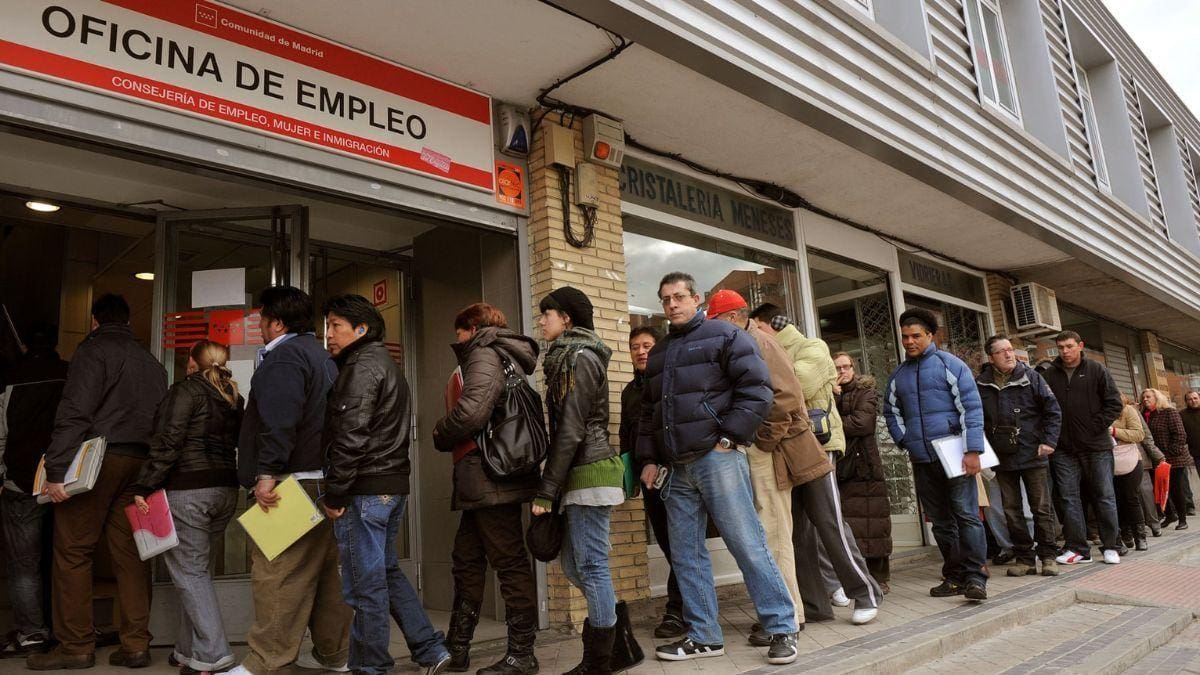
The euro area unemployment rate stood at 6.4 percent in August 2026, according to Eurostat figures published on 1 October, the same level it has held since February. The reading matched analyst forecasts, so markets barely reacted. The detail beneath the headline, however, shows a labour market that is stable but no longer improving.

Eurostat counted 11.357 million unemployed people in the euro area in August, which is 26,000 more than in July. A year earlier the euro area unemployment rate was 6.3 percent, so joblessness has crept up by a tenth of a point over twelve months. The movement is small, yet it breaks the downward trend that policymakers enjoyed in earlier years, and it will frame the debate on interest rates and employment support this autumn.

The wider Union looks similar. In July, the most recent month for which Eurostat gave a full EU figure, the unemployment rate for the 27 member states was 6.1 percent, up from 6.0 percent a year before. That month, 13.516 million people were out of work across the EU, which is 296,000 more than in July 2025.

Young people remain the most exposed group in the euro area labour market. Youth unemployment among people under 25 in the euro area fell to 15 percent in August from 15.1 percent in July, and 2.391 million young people were without a job. A small improvement should not hide the fact that one in seven young Europeans in the labour force still cannot find work.

The national picture is far more uneven than the euro area unemployment rate suggests. Germany and the Netherlands posted the lowest rates at 4 percent, while Spain recorded the highest at 10 percent. A gap of six percentage points inside one currency union shows why the euro area unemployment rate is an average that hides sharp regional differences.

Those differences matter for policy. The European Central Bank sets one interest rate for all member states, so it must balance a tight job market in some countries against slack in others. National governments and the Commission then face the task of directing cohesion money, training programmes and employment support to the places where joblessness lingers.

Employment data from earlier in the year tell a mildly positive story. Eurostat reported in September that employment grew slightly in the second quarter. Employment growth alongside a flat unemployment rate suggests that more people are entering the labour force, which keeps the euro area unemployment rate from falling even when firms keep hiring.

Analysts will now look at what comes next. A flat euro area unemployment rate gives the ECB little reason to change course on labour grounds, but a rise above 6.5 percent would raise questions about the strength of demand. The next monthly release from Eurostat, expected in early November, will show whether the six-month plateau holds.

For now, the euro area unemployment rate offers reassurance without much momentum. Europe’s job market has absorbed a difficult year, yet the year-on-year increase and the stubborn gap between north and south show that the recovery in employment is far from complete.