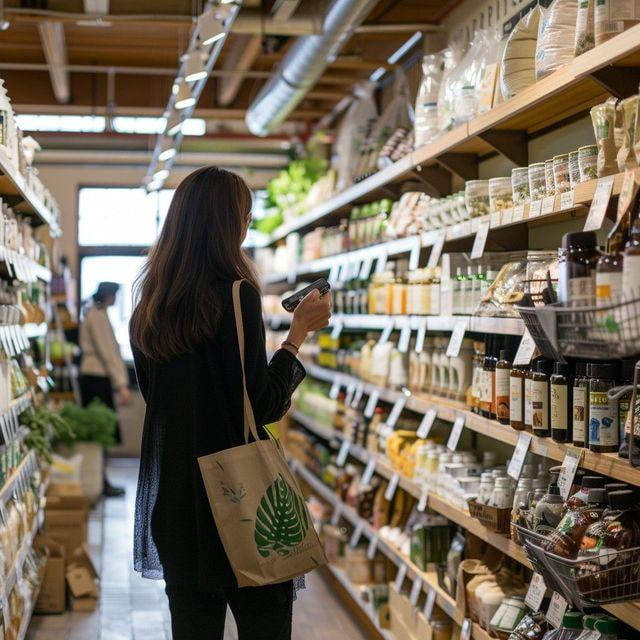
The EU Ecolabel has won over most European shoppers, according to a Flash Eurobarometer the European Commission released on 8 October 2026. A total of 81% of respondents believe products carrying the label have a lower environmental impact than similar goods, up from 75% in 2023. The survey ran from 31 August to 6 September 2026 and interviewed 25,566 people in all 27 member states.
Recognition is rising too. Some 46% of respondents know the flower logo, eight points more than three years earlier, and 46% say they often or sometimes buy EU Ecolabel products, also up eight points since 2023. Across the wider market of eco-labelled goods, 66% report buying such products at least sometimes, which shows the EU Ecolabel competes in a crowded field of green claims.
The scheme itself is growing. As of September 2026, 121,083 products carry the EU Ecolabel, covered by 3,665 licences. More than 4,000 certified products were added since March, and over 1,000 tourist accommodation establishments received the label. Small and medium-sized enterprises hold 62% of licences, which makes the label a tool for smaller firms rather than only large manufacturers.
Shoppers also want more. Some 72% say the label should cover additional product categories, and respondents named detergents (50%), textiles (36%) and cosmetics (35%) as top priorities. Those answers give the Commission a clear steer on where new criteria could matter most for consumers.
Policy context sharpens the numbers. The Commission’s proposed EU public procurement law encourages environmental labels, especially the EU Ecolabel, in public purchasing, which could turn trust into demand from public buyers. Separately, the European Economic and Social Committee, in a September plenary opinion on energy labelling, called for product information to last through a product’s life cycle, including repair, maintenance and resale. It also asked for labels to appear in search results and comparison tools, for example through QR codes, without creating barriers for vulnerable people or those with disabilities.
A trusted label helps consumers sort real environmental performance from marketing claims. The survey suggests most Europeans already place that trust in a single flower logo, which gives regulators and businesses a rare asset in a market full of competing green messages.
Questions remain. Trust in a label does not guarantee that shoppers will find it on shelves, and 4,000 new products in six months is a modest addition against a base of 121,083. Growth in tourist accommodation and detergents will show whether the scheme can move from respected niche to mainstream choice.
For businesses, the message is that the EU Ecolabel now carries commercial weight with consumers, and for policymakers it shows that clear, verified labels can earn trust. The next test comes when procurement rules and new product categories turn that trust into measurable purchases across the single market.