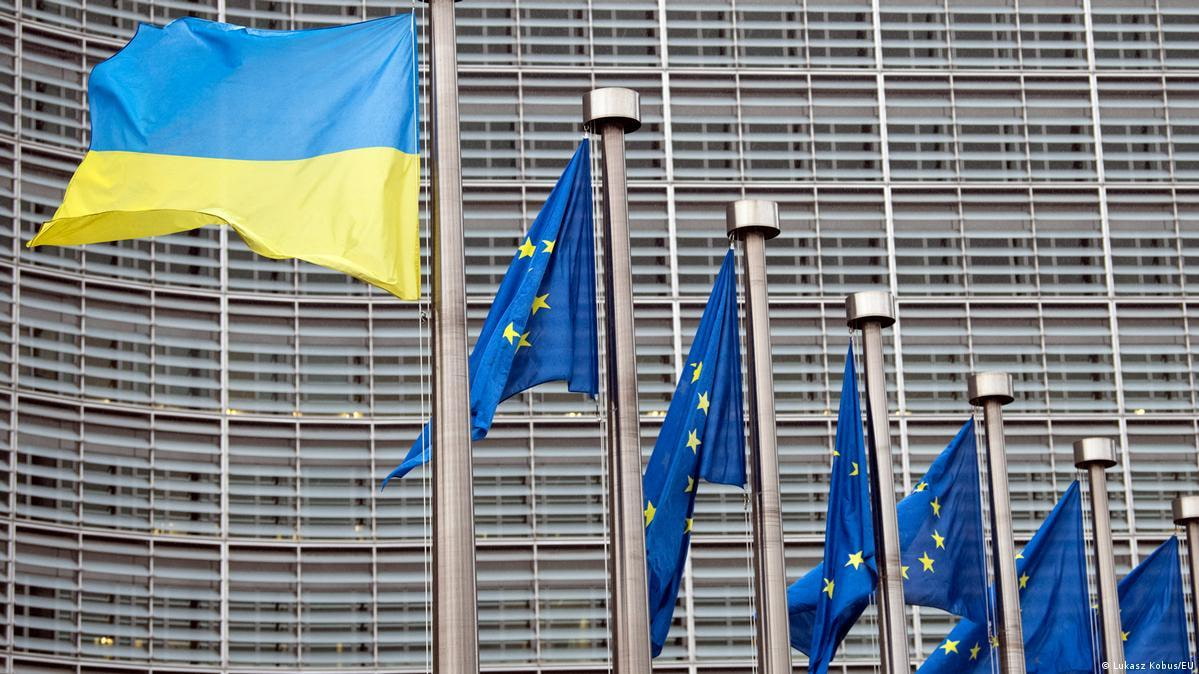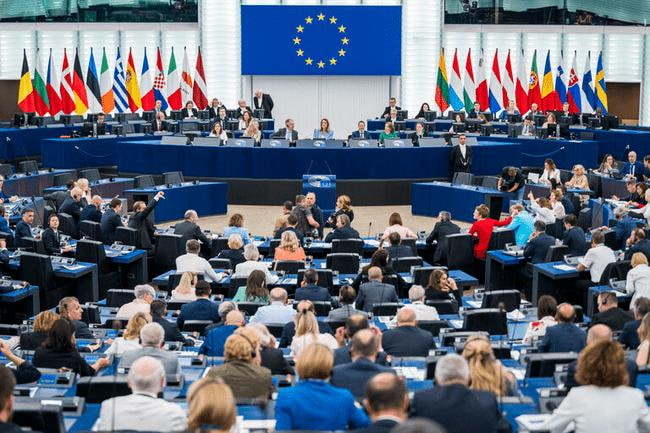
Brussels: The EU budget 2027 has reached the conciliation stage, with Parliament and Council about €2.1 billion apart on commitments and a legal deadline of 16 November 2026 at midnight. The Council agreed its position on 15 July, and Parliament adopted its own in October by 400 votes to 189, with 84 abstentions.
The Commission opened the process on 10 June, when Budget Commissioner Piotr Serafin presented a draft of €199.9 billion in commitments and €212 billion in payments, according to the European Parliament Research Service. Serafin said the EU budget 2027 would keep funding established EU priorities, including major support for Ukraine.
Member states cut deeper. Ambassadors agreed on 15 July to €191.88 billion in commitments and €202.07 billion in payments, excluding special instruments, as the Council press release shows. Irish Finance Minister Simon Harris said he looked forward to “delivering a timely and responsible budget for next year” together with Parliament, and the Irish presidency leads the Council mandate.
Parliament wants more. Its version of the EU budget 2027 sets commitments at €194 billion and payments at €203.3 billion, according to reports on the Budgets Committee table. MEPs added €260 million for the Connecting Europe Facility, €96 million for Erasmus+, €85 million each for LIFE and the Agricultural Guarantee Fund, and €80 million for the Civil Protection Mechanism. They also lifted migration, border and humanitarian lines.
The two chambers differ on tone as well as numbers. General rapporteur Nils Ušakovs said that “simply having a budget is an achievement in itself” in an exceptionally difficult moment for Europe. Michalis Hadjipantela, rapporteur for the other sections, stressed that “budgetary discipline is non-negotiable” and that taxpayers expect responsible spending.
Debt repayment sits at the centre of the dispute. Parliament argues that, in the EU budget 2027, NextGenerationEU and Ukraine Support Loan repayments should run through dedicated instruments, so they do not squeeze Horizon Europe, Erasmus+ or civil protection. Ušakovs said the recovery debt “should not be repaid at the expense of Europe’s next generation.” The Council added statements on payments, administrative expenditure and the calculation of national contributions, which signals where member states want to hold the line.
The next days will show whether the EU budget 2027 closes on time. Negotiators have until midnight on 16 November, and if they miss it, the Commission must table a new draft, which would delay the start of the year’s programmes. Watch the payments ceiling, the treatment of repayment costs and any compromise on the Ukraine lines, because those three items decide whether the EU budget 2027 passes smoothly.