August 12, 2026
LATEST
Europe’s Electrification Plan Aims to Slash Fossil Fuel BillsCouncil Clears Fertiliser Aid to Shield Struggling EU FarmersCan Europe Court Beijing and Contain It at the Same Time?Korean Tanks Fill the Gaps Europe Cannot Arm Fast EnoughAustralia Becomes Europe’s Answer to China’s Mineral GripEurope and Japan Bet on Shared Labs to Outpace ChinaWhy Europe and South Korea Rewrote the Rules of Digital TradeNew Zealand Helps Europe Anchor Its Ambitions Across the PacificCompetitiveness Fund Faces Its First Real Test of DeliveryHorizon Europe Rolls Out Its 14 Billion Research PushCERV Programme Grants Target Civic Space Under StrainEurope’s Firefighting Fleet Faces Its Worst Season on RecordAI Gigafactories Draw a 30 Billion Euro Bid to Rival the USRail Passengers Win Full Rights on Multi-Leg TripsEuropean Universities Face a Budget and Reform TestTobacco Rules Face a Sweeping Reset as Vaping SurgesRiyadh Summit Tests Europe’s New Bet on the GulfEurope Pours Millions Into a Sudan Crisis It Cannot ReachBrussels Braces for a Bruising Fight Over Its New Space Act RulesEurope Pushes Households To Turn Savings Into Investment PowerEurope’s Electrification Plan Aims to Slash Fossil Fuel BillsCouncil Clears Fertiliser Aid to Shield Struggling EU FarmersCan Europe Court Beijing and Contain It at the Same Time?Korean Tanks Fill the Gaps Europe Cannot Arm Fast EnoughAustralia Becomes Europe’s Answer to China’s Mineral GripEurope and Japan Bet on Shared Labs to Outpace ChinaWhy Europe and South Korea Rewrote the Rules of Digital TradeNew Zealand Helps Europe Anchor Its Ambitions Across the PacificCompetitiveness Fund Faces Its First Real Test of DeliveryHorizon Europe Rolls Out Its 14 Billion Research PushCERV Programme Grants Target Civic Space Under StrainEurope’s Firefighting Fleet Faces Its Worst Season on RecordAI Gigafactories Draw a 30 Billion Euro Bid to Rival the USRail Passengers Win Full Rights on Multi-Leg TripsEuropean Universities Face a Budget and Reform TestTobacco Rules Face a Sweeping Reset as Vaping SurgesRiyadh Summit Tests Europe’s New Bet on the GulfEurope Pours Millions Into a Sudan Crisis It Cannot ReachBrussels Braces for a Bruising Fight Over Its New Space Act RulesEurope Pushes Households To Turn Savings Into Investment Power
August 12, 2026
LATEST
Europe’s Electrification Plan Aims to Slash Fossil Fuel BillsCouncil Clears Fertiliser Aid to Shield Struggling EU FarmersCan Europe Court Beijing and Contain It at the Same Time?Korean Tanks Fill the Gaps Europe Cannot Arm Fast EnoughAustralia Becomes Europe’s Answer to China’s Mineral GripEurope and Japan Bet on Shared Labs to Outpace ChinaWhy Europe and South Korea Rewrote the Rules of Digital TradeNew Zealand Helps Europe Anchor Its Ambitions Across the PacificCompetitiveness Fund Faces Its First Real Test of DeliveryHorizon Europe Rolls Out Its 14 Billion Research PushCERV Programme Grants Target Civic Space Under StrainEurope’s Firefighting Fleet Faces Its Worst Season on RecordAI Gigafactories Draw a 30 Billion Euro Bid to Rival the USRail Passengers Win Full Rights on Multi-Leg TripsEuropean Universities Face a Budget and Reform TestTobacco Rules Face a Sweeping Reset as Vaping SurgesRiyadh Summit Tests Europe’s New Bet on the GulfEurope Pours Millions Into a Sudan Crisis It Cannot ReachBrussels Braces for a Bruising Fight Over Its New Space Act RulesEurope Pushes Households To Turn Savings Into Investment PowerEurope’s Electrification Plan Aims to Slash Fossil Fuel BillsCouncil Clears Fertiliser Aid to Shield Struggling EU FarmersCan Europe Court Beijing and Contain It at the Same Time?Korean Tanks Fill the Gaps Europe Cannot Arm Fast EnoughAustralia Becomes Europe’s Answer to China’s Mineral GripEurope and Japan Bet on Shared Labs to Outpace ChinaWhy Europe and South Korea Rewrote the Rules of Digital TradeNew Zealand Helps Europe Anchor Its Ambitions Across the PacificCompetitiveness Fund Faces Its First Real Test of DeliveryHorizon Europe Rolls Out Its 14 Billion Research PushCERV Programme Grants Target Civic Space Under StrainEurope’s Firefighting Fleet Faces Its Worst Season on RecordAI Gigafactories Draw a 30 Billion Euro Bid to Rival the USRail Passengers Win Full Rights on Multi-Leg TripsEuropean Universities Face a Budget and Reform TestTobacco Rules Face a Sweeping Reset as Vaping SurgesRiyadh Summit Tests Europe’s New Bet on the GulfEurope Pours Millions Into a Sudan Crisis It Cannot ReachBrussels Braces for a Bruising Fight Over Its New Space Act RulesEurope Pushes Households To Turn Savings Into Investment Power

A Green Shipping Corridor Links Korea and Europe

Seoul: Europe and South Korea are quietly assembling a clean-energy partnership that runs from the hydrogen tank to the cargo ship, betting that two industrial powers can decarbonise faster together than either can alone.

The logic is complementary rather than competitive. Europe writes the climate rules and holds the demand, its ports, factories and shipping lines all under pressure to cut emissions. South Korea builds the hardware, dominating global shipbuilding and racing to lead the market for vessels that run on ammonia and liquid hydrogen. Put the two together and a European decarbonisation target becomes a Korean order book.

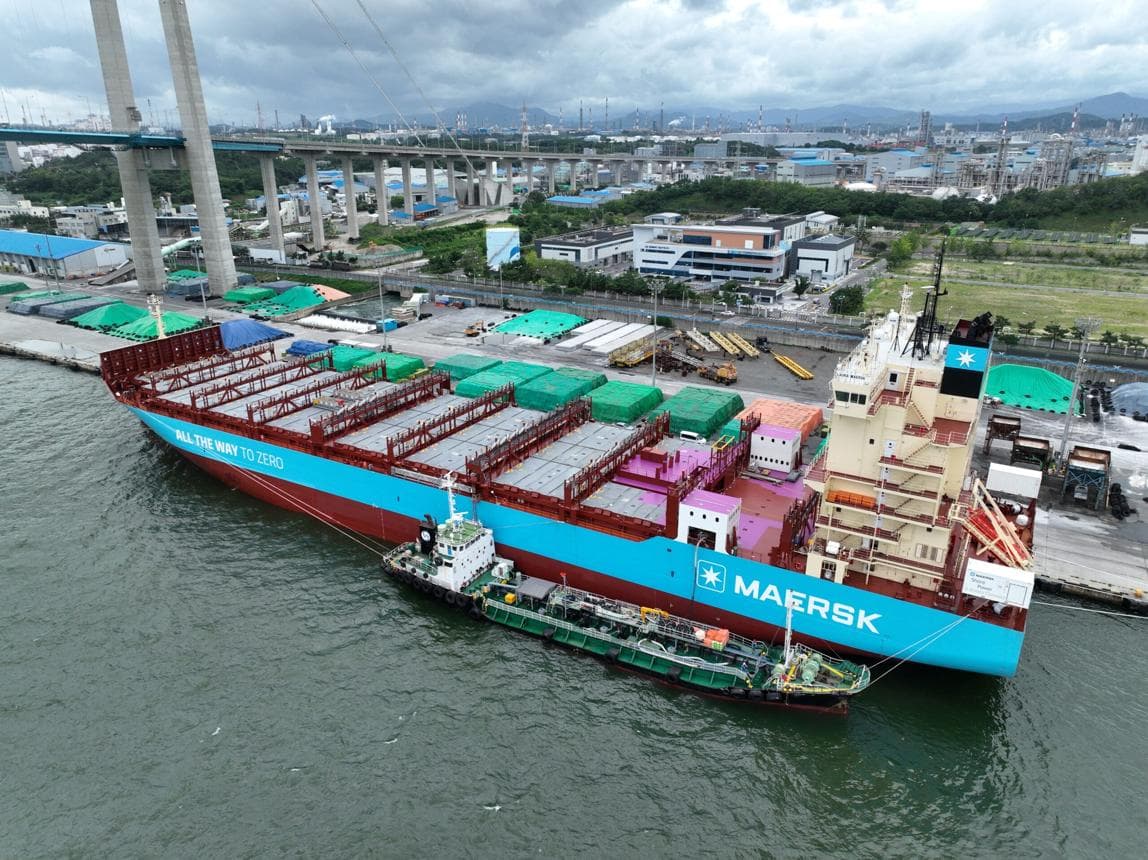
Nowhere is that clearer than at sea. Planners on both sides have proposed a Korea-Europe green shipping corridor, a route along which low-emission fuels and the ships that burn them would be trialled at commercial scale, with an aim of cutting carbon from the voyage by around seventy percent. Seoul has earmarked hundreds of billions of won to develop next-generation vessels, and European cargo owners provide the routes and the regulatory push that make such ships worth building.

Energy supply forms the second strand. The European Union wants to widen its clean-energy cooperation with Korea in hydrogen and offshore wind, and to explore business ties in small modular nuclear reactors. Seoul, meanwhile, has begun auctioning hydrogen-derived power, classing part of it as clean under a strict emissions limit, as it works to phase out coal by 2040. Each side needs what the other is developing, secure supply for Europe and reliable demand for Korea.

The timing is deliberate. Both economies face the same squeeze, a need to cut emissions sharply while keeping heavy industry competitive against rivals who carry no such burden. Sharing the cost of first-of-a-kind projects, a hydrogen carrier, an offshore wind supply chain, a green shipping route, spreads the risk that neither government wants to shoulder alone.

Obstacles are real. Clean hydrogen still costs far more than the fossil fuels it would replace, and green ships need refuelling networks that barely exist. Standards must line up so that a vessel certified in Korea can dock and bunker in Rotterdam without a fresh round of approvals. And Europe will guard its own emerging clean-tech industries, wary of importing so much that it hollows out the factories it hopes to grow at home.

Those tensions will shape how far the partnership runs, but they have not stopped it starting. For Brussels, Korea offers a trusted Indo-Pacific partner that shares its climate ambition and can supply the machinery to meet it. For Seoul, Europe offers a vast, rule-bound market that rewards exactly the low-carbon technologies its shipyards and energy firms are betting on. The corridor between them is still being built, yet the direction is set, and it points toward a cleaner way of moving both energy and goods.