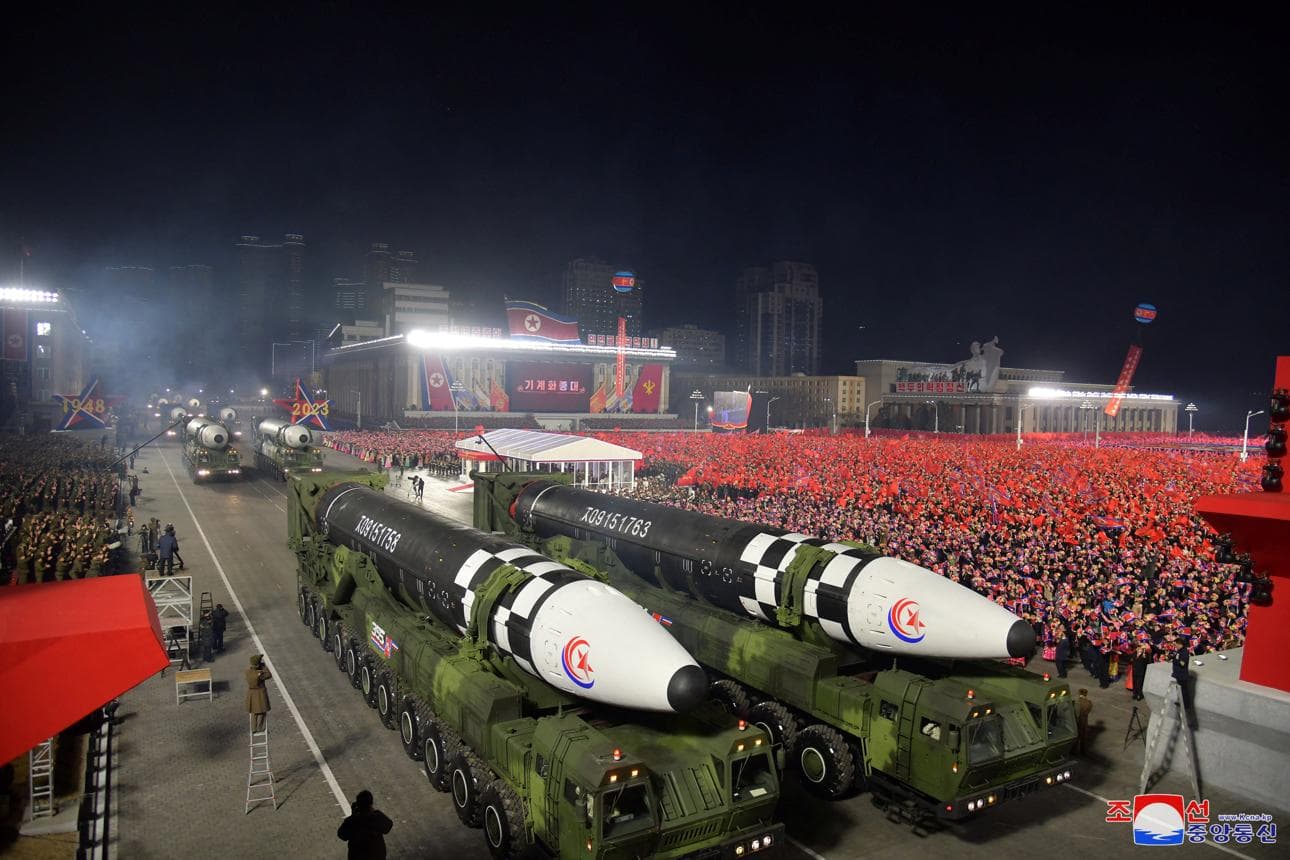
Brussels: North Korean soldiers fighting alongside Russian forces have turned a distant security file into a live European concern, and the bloc is discovering how blunt its sanctions become when the target sits far outside its economic reach.
The European Union has steadily expanded its measures against Pyongyang, adding generals, procurement agents and front companies tied to the country’s weapons programmes and its military support for Russia’s war on Ukraine. The Council coordinates many of these designations with Washington and Seoul, presenting a united front against the deepening axis between Moscow and Pyongyang.
Yet coordination is easier than consequence. North Korea conducts almost no trade with Europe, holds few assets in European banks and sends few officials to European capitals. Freezing the funds of a general who keeps no money in Frankfurt or banning travel for a man who never intended to visit Vienna delivers a symbol more than a sanction. The instruments Europe wields against Russia, energy limits and financial isolation, have little to grip when aimed at Pyongyang.
The troop deployment sharpens the dilemma. By lending soldiers to Russia, North Korea gains combat experience, hard currency and, analysts fear, technology transfers that could accelerate its missile and submarine programmes. Each of those returns strengthens a state that Europe would prefer to keep weak, and none of them passes through channels European regulators can touch.
That leaves Brussels leaning on the one lever it does control, the conduct of others. European pressure increasingly targets the middlemen who let North Korean coal, arms and labour reach world markets, many of them registered in third countries with looser enforcement. Chasing the shell companies, flagged ships and shadow financiers that move Pyongyang’s goods is slow, technical work, but it is where a European sanction can still change a calculation.
Critics inside the bloc argue Europe should go further and treat North Korea as the security threat its battlefield role now makes it, rather than a diplomatic afterthought managed through periodic listings. They want tighter monitoring of the networks that skirt United Nations restrictions and firmer pressure on the states that host them, so that supporting Pyongyang carries a real price.
The counter-argument is one of proportion and attention. Europe already stretches its sanctions machinery across Russia, Belarus and a widening list of enablers, and every new front competes for the same investigators and diplomatic capital. Officials must weigh whether escalating a file where Europe has so little direct leverage is worth the effort it would divert from theatres closer to home.
For now the bloc keeps adding names and keeps its measures aligned with allies, betting that consistency and coordination count even when individual designations sting little. It is a modest bet on a hard problem. The war in Ukraine has dragged Pyongyang into Europe’s security calculus, and Europe is learning that recognising a threat is far simpler than finding a way to punish it.