Hamburg: The euro area trade deficit reached €16.1 billion in August 2026, Eurostat reported on 16 October, as imports of energy and machinery climbed much faster than exports. A year earlier, the euro area recorded a deficit of only €1.7 billion, and in July 2026 it still posted a surplus of €10.7 billion. Exports rose 9.9% to €227.7 billion, while imports jumped 16.7% to €243.8 billion.
Energy explains much of the swing. The euro area energy deficit widened from €21.3 billion to €26.7 billion between August 2025 and August 2026. The euro area trade deficit also reflects a reversal in machinery and vehicles, where a surplus of €7.2 billion turned into a deficit of €0.7 billion.
The euro area trade deficit has a wider EU counterpart. The EU posted a deficit of €25.2 billion in August, compared with €7.5 billion a year earlier, after exports of €202.9 billion and imports of €228.0 billion. EU energy imports reached €44.9 billion, up 31.2%, while energy exports rose 36.8% to €13.5 billion, which left an energy deficit of €31.4 billion.
Over the first eight months of 2026 the euro area trade deficit stands at €5.4 billion, a sharp turn from the €90.9 billion surplus of January to August 2025. Exports grew only 2.1% to €1,990.8 billion, while imports rose 7.3% to €1,996.2 billion. For the EU as a whole, the eight-month balance moved from a €76.4 billion surplus to a €46.1 billion deficit.
Seasonally adjusted data confirm the euro area trade deficit trend. Euro area exports fell 1.2% from July to €257.2 billion, imports rose 2.0% to €264.0 billion and the balance dropped from a €1.4 billion surplus to a €6.8 billion deficit. The monthly figures remain provisional, according to the Eurostat euro indicators release.
China sits at the centre of the imbalance. EU imports from China rose 19.7% to €53.1 billion in August, while exports there grew 3.2% to €14.7 billion, so the bilateral deficit widened from €30.1 billion to €38.4 billion. The United States stayed a source of surplus, with a balance of €8.6 billion, and the United Kingdom added €15.0 billion. Chemicals still produced a surplus of €14.1 billion, down from €15.1 billion.
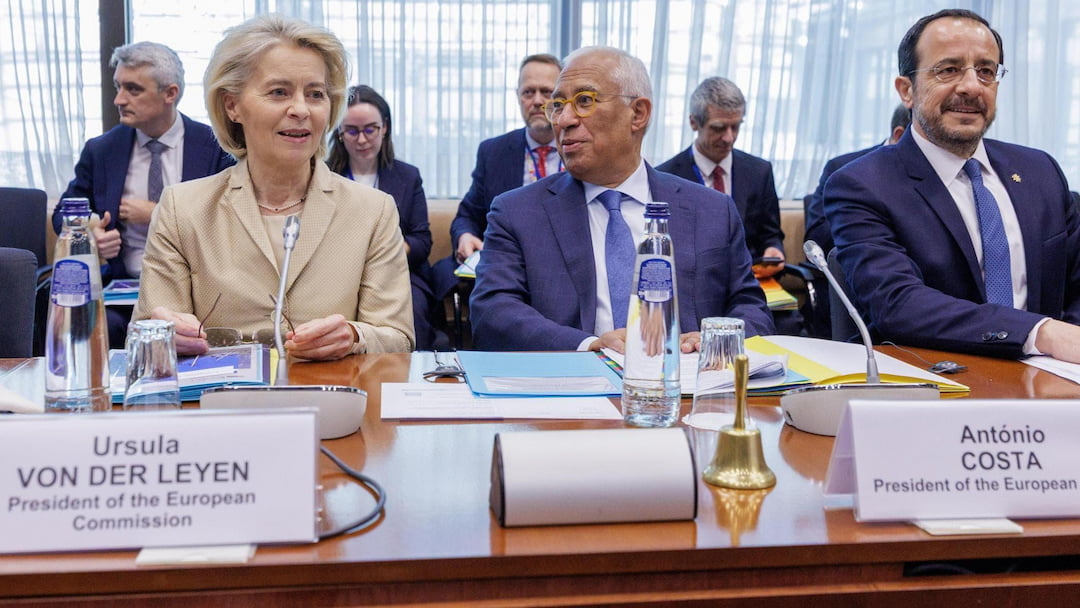
The euro area trade deficit data arrive just after EU leaders met in Brussels. In their conclusions of 16 October, the European Council called high energy prices a critical issue and asked the Commission to “quickly strengthen the EU toolbox with new instruments” to address global macroeconomic imbalances. The European Council conclusions also back targeted, temporary measures on energy and joint purchasing.
The latest release builds on a warning from the second quarter. Eurostat said then that the EU deficit of €21.8 billion was “the first trade deficit registered since the second quarter of 2023,” and described it as the last of a series of deficits fuelled by soaring energy costs between late 2021 and mid-2023, as Eunews reported. In that quarter, the energy deficit rose from €71.3 billion to €101.1 billion.
Economists will now watch whether energy prices ease enough to narrow the gap before winter. A lasting euro area trade deficit would weigh on growth and on the euro, and it would sharpen the debate on industrial strategy and relations with China. The September trade data, due in November, will show whether August marked a peak.