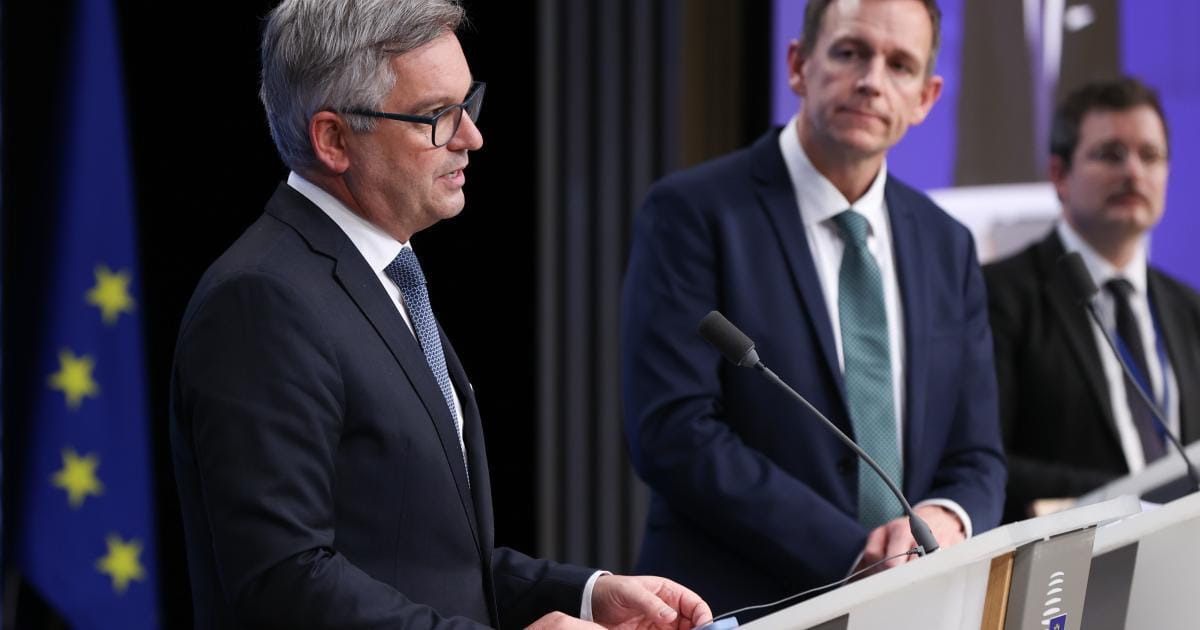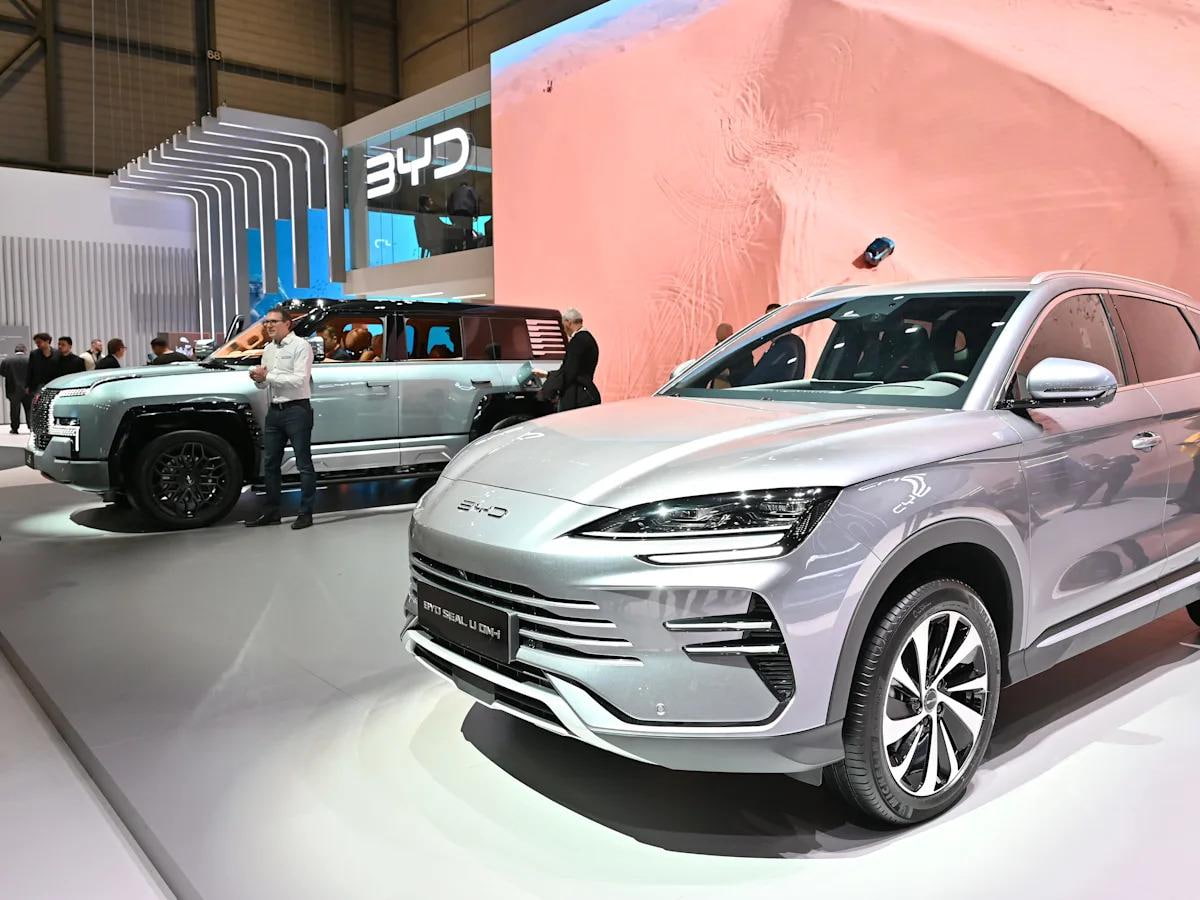
The China hybrid car quota gives the European Union its first concrete result in a trade dispute that has strained relations with Beijing for years. Under the deal unveiled on 9 October 2026, China will limit hybrid vehicle exports to the EU to 350,000 cars a year for four years. EU leaders discussed the arrangement over lunch with Commission President Ursula von der Leyen at their summit on 15 October.
Trade Commissioner Maroš Šefčovič negotiated the China hybrid car quota in Beijing with Chinese Vice-Premier He Lifeng. EU officials called the outcome a paradigm shift, and they argued that Beijing accepted the cap because the customer is always right. China had rejected voluntary limits earlier, so the agreement marks a change in tone.
The numbers explain why both sides took the deal. According to press reports, the cap rises by 6 percent a year and leaves Chinese hybrid exports below half of the 800,000 vehicles the EU had projected for 2026. Chinese car exports to the Union are worth about €15 billion, so the China hybrid car quota trims a profitable market without closing it. In return, Beijing agreed not to retaliate and to cut tariffs on a range of European goods.
The deal arrives against a stark backdrop. The EU’s goods trade deficit with China reached €360 billion in 2025, and diplomats blame surging Chinese exports for job losses across European industry. One senior diplomat told reporters that thousands of jobs disappear with every month that passes, which explains the pressure on leaders to act.
Leaders welcomed the China hybrid car quota as a first step toward narrowing that gap, but few of them treated it as enough. Draft summit conclusions ask the Commission to keep talking with Beijing while using existing trade defence measures to the full and developing new instruments. France and Germany want urgent steps on imports of chemicals and PET plastic, along with quick retaliation against countries that harm the bloc.
Germany’s position stands out. Two years ago Berlin was the most vocal critic of EU anti-subsidy tariffs on Chinese electric vehicles, and it now backs a tougher defence. Dutch Prime Minister Rob Jetten argued that the Union lacks enough tools against unfair practices and has not invested enough in competitiveness and innovation, and he said the next EU budget must address both problems.
Beijing sees the matter differently. Chinese officials say that talk of economic imbalances serves as an excuse for protectionism and as an attempt to pressure and restrict China. That response suggests the China hybrid car quota is a truce and not a settlement, and further disputes over chemicals and machinery look likely.
The Commission has work ahead. It is expected to present a diversification instrument and a solidarity mechanism by the end of the year, and EU and Chinese officials have scheduled more talks for January and March. European Council President António Costa has called for a results-oriented dialogue with trade partners while the Union strengthens its trade defence tools.
For carmakers, importers and consumers, the practical effect will depend on how the Commission monitors compliance and shares out the volume among exporters. The deal gives European producers time to bring cheaper hybrids to market, yet it does not lower prices for buyers in the short term. The real test comes in 2027, when leaders will judge whether the China hybrid car quota reduced the deficit or merely moved the fight to another sector.