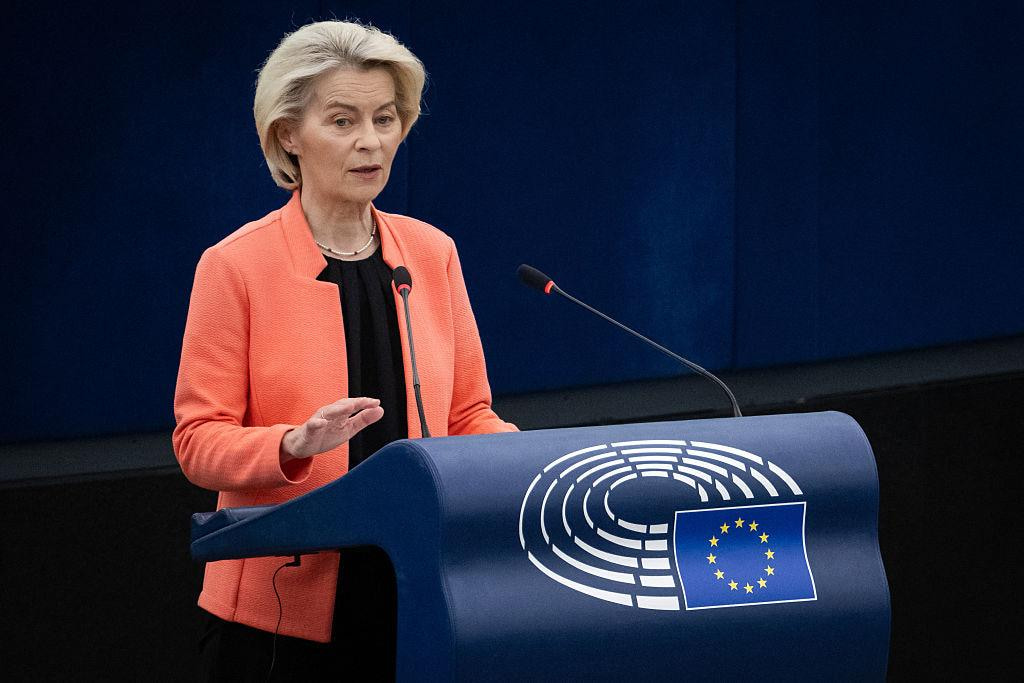
Cebu: The EU Philippines trade deal reached substantial agreement on 22 September 2026, when European Commission trade chief Maros Sefcovic and Philippine Trade Secretary Maria Cristina Aldeguer-Roque announced that negotiators had settled the core of a pact a decade in the making. The two governments agreed to scrap tariffs on most goods, write rules for digital trade and widen European investment in Philippine energy.
Neither side called the EU Philippines trade deal finished. Commission officials stressed that substantial agreement marks the political landing zone rather than a signature, and that legal scrubbing, translation and a final round on outstanding chapters still stand between Brussels and Manila. Both capitals point to 2027 as the earliest realistic date for signature, with ratification by the European Parliament and the Council after that.
Sefcovic tied the outcome to the Union’s search for steadier supply lines rather than to headline tariff numbers. “It also delivers stronger, more diversified supply chains at the moment when resilience has become a strategic priority,” he said after the announcement. That framing matches a year in which the Commission has closed or advanced texts with Mercosur, Indonesia, India and Australia while relations with Washington, Beijing and Moscow have each turned difficult in their own way.
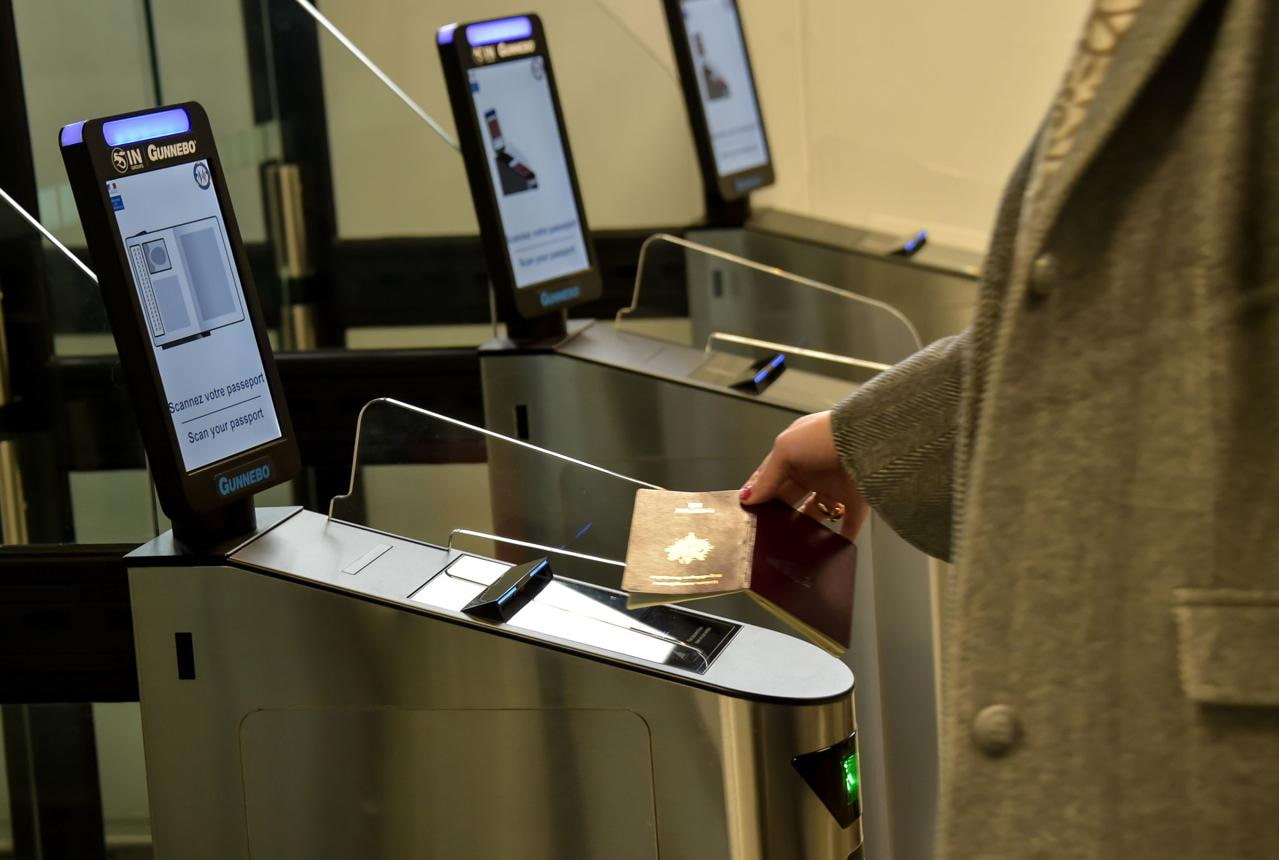
The commercial substance sits heavily in electronics. European exporters send aircraft, pharmaceuticals and pork to the Philippines, and buy back semiconductors, integrated circuits and industrial machinery assembled in the archipelago’s export zones. The Commission values bilateral goods trade at about 17.6 billion euro in 2025, while Sefcovic cited annual trade closer to 30 billion euro across goods and services combined. Either figure makes the Philippines a mid-sized partner whose weight lies in a narrow band of components that European carmakers and equipment makers cannot easily source elsewhere.
Manila’s negotiators pressed hardest on market access for processed food, garments and coconut products, and on the treatment of Philippine workers in European services chapters. The Philippine side also sought predictability on the Union’s deforestation rules and carbon border levy, both of which fall outside the EU Philippines trade deal but shape what exporters actually pay at the European frontier.
The Philippines becomes the third member of the Association of Southeast Asian Nations to land a bilateral deal with the Union, after Singapore and Vietnam. Talks continue with Thailand, Indonesia and Malaysia, and the Commission still describes a region-to-region agreement with ASEAN as the long-term objective. Each bilateral text narrows the gap between that ambition and the patchwork that exists today, though it also multiplies the rules of origin that a single Southeast Asian supplier must track.
Negotiations opened in 2015, stalled in 2017 over human rights concerns during the Duterte administration, and restarted in March 2024 after the Marcos government sought a reset with Brussels. The eleven rounds that followed moved faster than the previous decade, helped by a Philippine willingness to accept the Union’s standard sustainable development chapter and by a European appetite for partners outside its traditional orbit. The Commission’s own account of the Philippines negotiations sets out the chapter structure that survived into the final rounds.
What happens next is procedural but not trivial. Lawyers on both sides must convert political understandings into enforceable text, a stage that has reopened settled questions in other files this year. Philippine exporters will not see a tariff line move under the EU Philippines trade deal before 2028 at the earliest, and European investors in Philippine energy will wait on the same clock.