September 22, 2026
LATEST
One Ticket Promise Meets Its First Real Test Inside the CouncilCyprus Judge Takes Over a General Court Still Absorbing CasesSkills Portability Act Sets Five Weeks as the New Recognition LimitIreland Reopens the Digital Omnibus With Cookies Back in PlayMinisters Weigh the Long-Term Budget Before a Negotiating BoxSocial Partners Have One Week Left to Shape the Quality Jobs ActPhuket Round Decides Whether Thailand Closes Its Deal This YearSyria’s Banks Reconnect While Europe’s Risk Premium Stays PutMercosur’s First Health Ban Tests a Deal Still Being RatifiedBudget Performance Regulation Slips Toward a 2027 VotePontes Digital Euro Platform Goes Live for 13 BanksEU Arctic Drilling Ban Survives Norway’s Lobbying PushPrivacy Watchdog Wants Tighter Limits on Eurojust’s New DatabasesScrutiny Board Sends Europe’s Circular Economy Act Back for ReworkLow-LEO Studies Open the Next Chapter for Europe’s IRIS2 PlanFour Indo-Pacific Partners Join Europe’s Ministers in New YorkWildfire Season Closes Above Average as the rescEU Fleet GrowsQuality Education Roadmap Lands in November With Three FrontsPartnership Plans Recast Cohesion Policy Before Anyone VotesHandling Fee on Small Parcels Must Be Ready by 1 November 2026One Ticket Promise Meets Its First Real Test Inside the CouncilCyprus Judge Takes Over a General Court Still Absorbing CasesSkills Portability Act Sets Five Weeks as the New Recognition LimitIreland Reopens the Digital Omnibus With Cookies Back in PlayMinisters Weigh the Long-Term Budget Before a Negotiating BoxSocial Partners Have One Week Left to Shape the Quality Jobs ActPhuket Round Decides Whether Thailand Closes Its Deal This YearSyria’s Banks Reconnect While Europe’s Risk Premium Stays PutMercosur’s First Health Ban Tests a Deal Still Being RatifiedBudget Performance Regulation Slips Toward a 2027 VotePontes Digital Euro Platform Goes Live for 13 BanksEU Arctic Drilling Ban Survives Norway’s Lobbying PushPrivacy Watchdog Wants Tighter Limits on Eurojust’s New DatabasesScrutiny Board Sends Europe’s Circular Economy Act Back for ReworkLow-LEO Studies Open the Next Chapter for Europe’s IRIS2 PlanFour Indo-Pacific Partners Join Europe’s Ministers in New YorkWildfire Season Closes Above Average as the rescEU Fleet GrowsQuality Education Roadmap Lands in November With Three FrontsPartnership Plans Recast Cohesion Policy Before Anyone VotesHandling Fee on Small Parcels Must Be Ready by 1 November 2026
September 22, 2026
LATEST
One Ticket Promise Meets Its First Real Test Inside the CouncilCyprus Judge Takes Over a General Court Still Absorbing CasesSkills Portability Act Sets Five Weeks as the New Recognition LimitIreland Reopens the Digital Omnibus With Cookies Back in PlayMinisters Weigh the Long-Term Budget Before a Negotiating BoxSocial Partners Have One Week Left to Shape the Quality Jobs ActPhuket Round Decides Whether Thailand Closes Its Deal This YearSyria’s Banks Reconnect While Europe’s Risk Premium Stays PutMercosur’s First Health Ban Tests a Deal Still Being RatifiedBudget Performance Regulation Slips Toward a 2027 VotePontes Digital Euro Platform Goes Live for 13 BanksEU Arctic Drilling Ban Survives Norway’s Lobbying PushPrivacy Watchdog Wants Tighter Limits on Eurojust’s New DatabasesScrutiny Board Sends Europe’s Circular Economy Act Back for ReworkLow-LEO Studies Open the Next Chapter for Europe’s IRIS2 PlanFour Indo-Pacific Partners Join Europe’s Ministers in New YorkWildfire Season Closes Above Average as the rescEU Fleet GrowsQuality Education Roadmap Lands in November With Three FrontsPartnership Plans Recast Cohesion Policy Before Anyone VotesHandling Fee on Small Parcels Must Be Ready by 1 November 2026One Ticket Promise Meets Its First Real Test Inside the CouncilCyprus Judge Takes Over a General Court Still Absorbing CasesSkills Portability Act Sets Five Weeks as the New Recognition LimitIreland Reopens the Digital Omnibus With Cookies Back in PlayMinisters Weigh the Long-Term Budget Before a Negotiating BoxSocial Partners Have One Week Left to Shape the Quality Jobs ActPhuket Round Decides Whether Thailand Closes Its Deal This YearSyria’s Banks Reconnect While Europe’s Risk Premium Stays PutMercosur’s First Health Ban Tests a Deal Still Being RatifiedBudget Performance Regulation Slips Toward a 2027 VotePontes Digital Euro Platform Goes Live for 13 BanksEU Arctic Drilling Ban Survives Norway’s Lobbying PushPrivacy Watchdog Wants Tighter Limits on Eurojust’s New DatabasesScrutiny Board Sends Europe’s Circular Economy Act Back for ReworkLow-LEO Studies Open the Next Chapter for Europe’s IRIS2 PlanFour Indo-Pacific Partners Join Europe’s Ministers in New YorkWildfire Season Closes Above Average as the rescEU Fleet GrowsQuality Education Roadmap Lands in November With Three FrontsPartnership Plans Recast Cohesion Policy Before Anyone VotesHandling Fee on Small Parcels Must Be Ready by 1 November 2026

Skills Portability Act Sets Five Weeks as the New Recognition Limit

Strasbourg: The European Commission adopted its skills portability proposals in Strasbourg on 15 September 2026, bundling them into a Fair Labour Mobility package that would cut recognition of professional qualifications in regulated professions from three months to five weeks. Five legislative texts make up the package, and the Commission puts their combined value at EUR 6 billion in benefits by 2040.

The package covers more ground than recognition alone. It contains a regulation establishing a European Social Security Pass, a Skills Portability Act on digital and comparable qualifications, a regulation strengthening the European Labour Authority, an amending directive on professional qualifications and a directive on the qualifications of non-EU nationals.

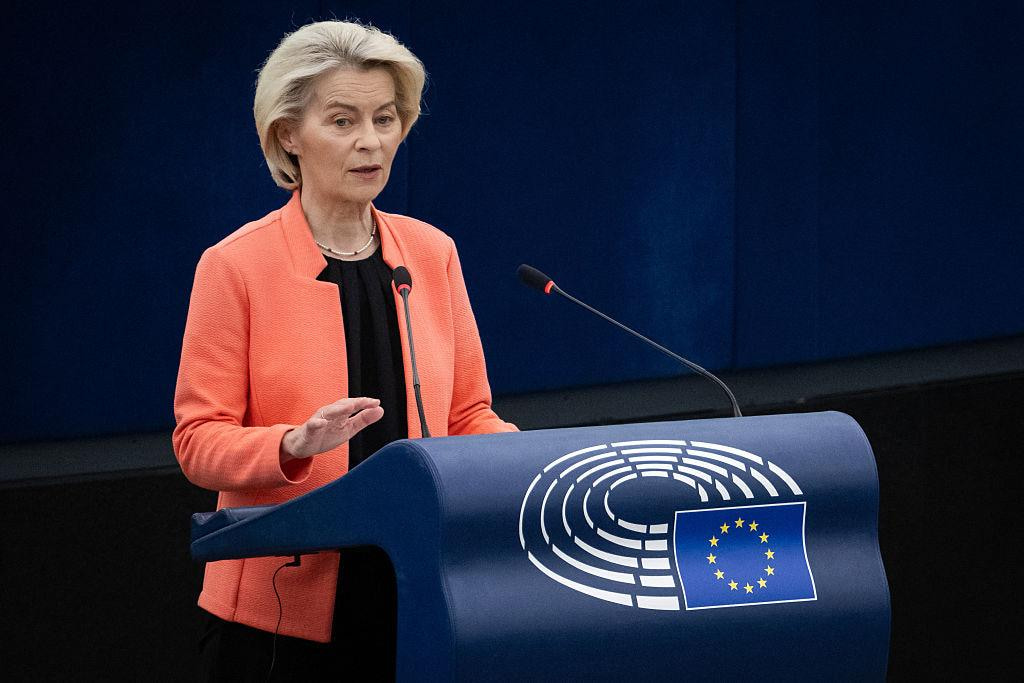
Commission President Ursula von der Leyen framed the package as single market repair work rather than social policy.

The single market must also become a genuine skills market with more opportunities for workers and businesses. And that is what this package sets out to do – tackling two of the Terrible ten barriers and making the most of the talent we have in Europe, and attracting more.

The recognition numbers carry the argument. A mandatory digital procedure would bring cross-border recognition for doctors, nurses, engineers and teachers down to five weeks, while common standards would compress recognition of qualifications earned outside the Union from an average of 14 months to four.

The Commission also proposes to widen automatic recognition through common training frameworks, starting with professions that report shortages. It adopted the first such framework on 15 September, for physiotherapists, and named a preliminary list of ten further professions. Member States keep full control over who enters their territory and over the standards required to practise.

The scale the Commission cites:

  • 14 million people lived in another member state in 2024, including more than 10 million of working age, or 3.9 per cent of the EU working-age population;
  • 3.64 million people work in another member state on a temporary posting;
  • administrations handle more than 8 million requests a year for documents proving cross-border social security rights;
  • 74 per cent of small and medium-sized enterprises report skills gaps, and 30 per cent name regulatory hurdles as a key obstacle.

The social security pass digitalises documents in stages. The portable document A1, which shows where a posted worker pays contributions, moves into the EU Digital Identity Wallet one year after the regulation enters into force; the European Health Insurance Card and other documents follow within three years.

Over twelve years the Commission expects digitalisation to save up to EUR 64 million for businesses, EUR 69 million for healthcare providers and EUR 72 million for labour inspectors, and it calculates that digital signatures would head off as much as EUR 277 million in fraud.

Enforcement forms the second half of the bargain. The revised mandate would let the European Labour Authority build risk assessments that help national inspectorates target controls, install dedicated national inspection liaison officers, fund organisations that advise mobile workers and employers, and simplify its mediation procedure so capitals settle cross-border disputes without litigation.

The authority would also gain competence over abuses against third-country nationals working in the Union and over illegal employment, a mandate extension that unions have sought for years. The Commission expects those improvements to land across 2028 to 2030, once legislators adopt the text.

Background places the package inside a larger project. EU leaders called at their March summit for better mutual recognition of professional qualifications and stronger portability of skills, and the Commission’s announcement of the package presents it as delivery on the One Europe, One Market roadmap, which had listed both files as priority deliverables.

Nothing takes effect until the European Parliament and the Council adopt the proposals, and labour mobility files historically move slowly through both. The Commission’s own timetable phases benefits in across two and three years after adoption, which places the first practical change some distance beyond 2026.