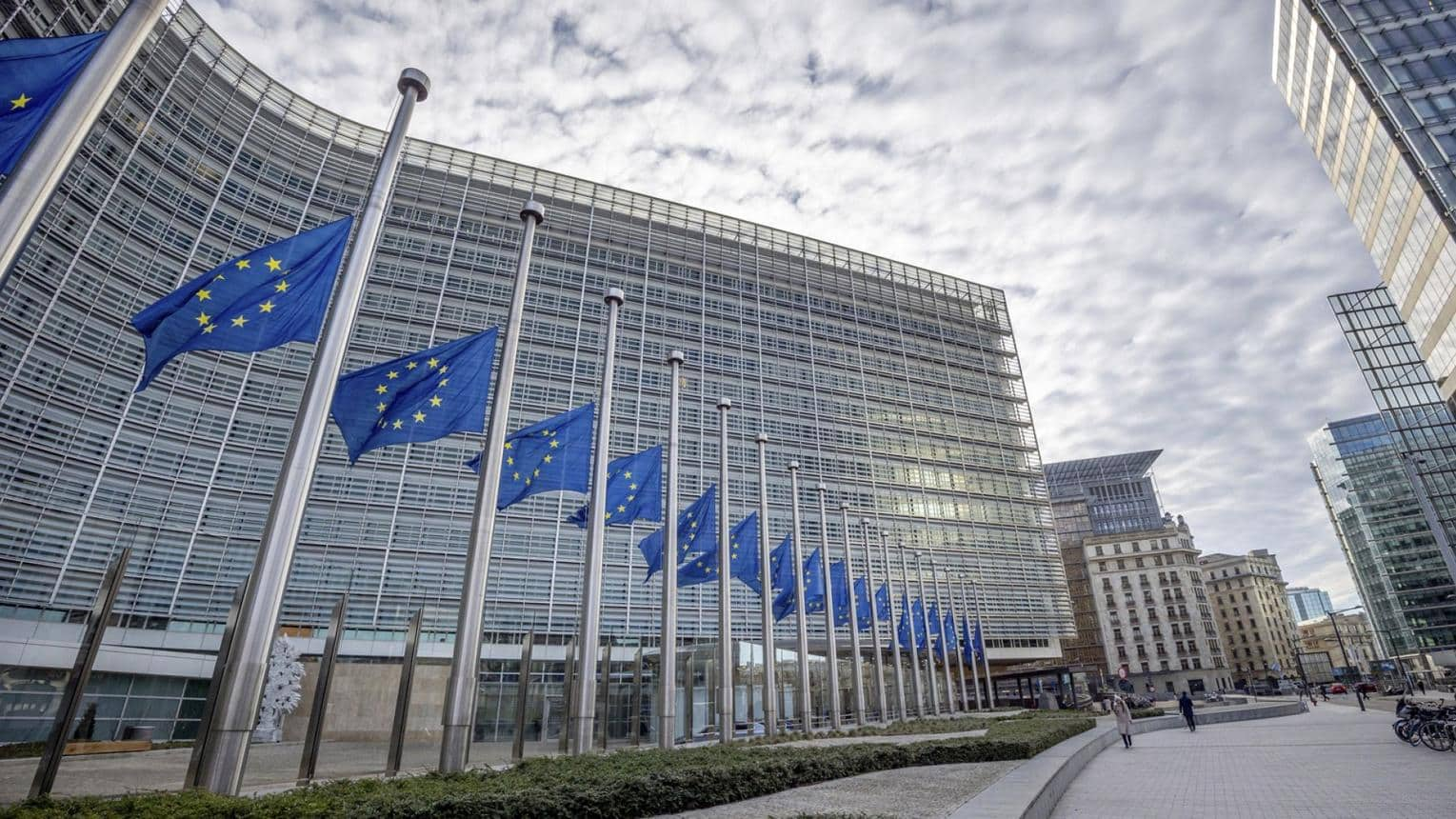
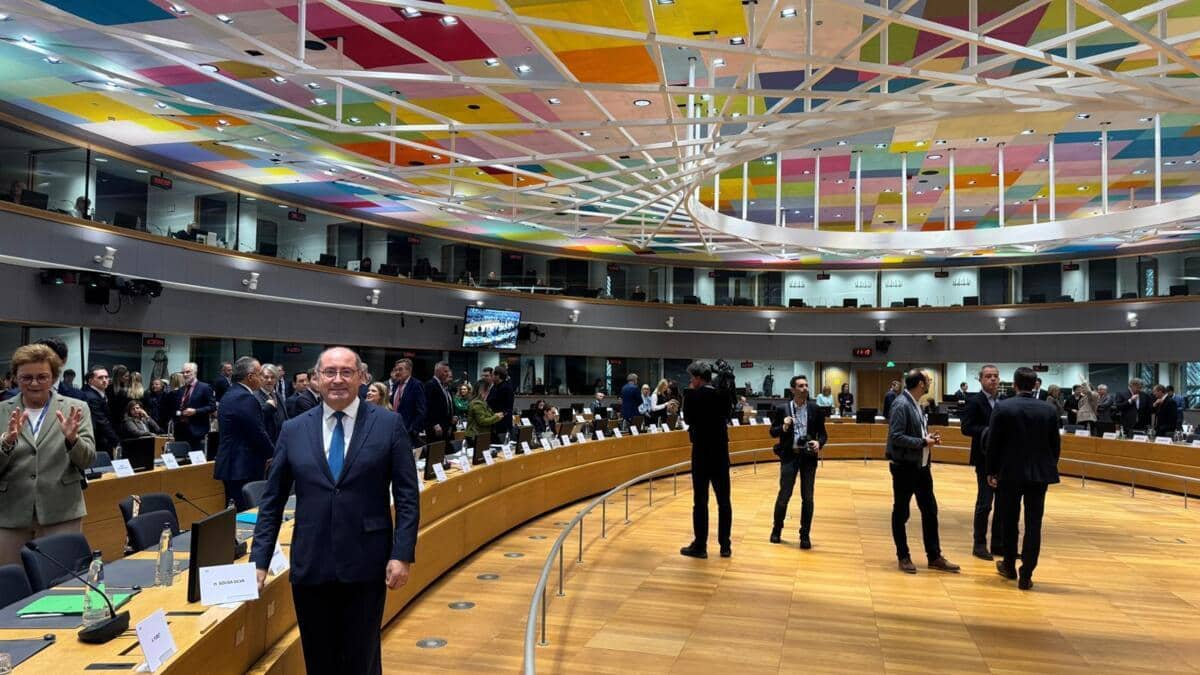
Stockholm: Sweden’s government confirmed on 11 November 2026 that it will back new Council conclusions on STEM education when EU education ministers meet in Brussels on Thursday 19 November. The Irish presidency drafted the text to tackle teacher shortages, weak career guidance and the low share of girls and women choosing science, technology, engineering and mathematics.
Ireland first presented the STEM education conclusions to fellow member states in July 2026, and ministers now expect to approve them without a vote fight. The draft, Council document 14899/26, invites capitals to consider a national or regional STEM strategy. It also urges governments to strengthen guidance so that pupils see technical careers as realistic choices.
The gender gap sits at the centre of the text. Women remain underrepresented in engineering and computing degrees across the Union, and the conclusions ask member states to address that imbalance from early schooling onwards. They also link STEM education to teacher supply, since many schools struggle to recruit qualified maths and physics staff.
The Swedish position, published in the government’s annotated agenda for the 19-20 November Council, supports approval but adds a familiar caveat. Stockholm insists that EU competence in education only supports national policy, and it backs Commission initiatives only when they stay voluntary. Ministers Simona Mohamsson and Lotta Edholm handle the education file for Sweden.
The same session will approve a second set of conclusions alongside the STEM education text, this time on skills and competences for handling artificial intelligence, document 14902/26. That text calls for AI guidance for schools and teachers, updated ethics guidelines on AI and data in teaching, and wider use of micro-credentials. Sweden welcomes the work but argues that reading, writing and arithmetic must come before digital skills in the early years.
Ministers will also hold a policy debate on critical thinking and human agency in a changing digital environment. The presidency has asked delegations how national strategies treat the topic and where EU cooperation can add value. The debate gives ministers a chance to connect STEM education with media literacy rather than treat them as separate silos.
Youth ministers meet earlier the same day. According to the Irish presidency event page, the Council gathers in Brussels, and the Swedish agenda lists conclusions on young people’s agency in the information environment and on spaces for young people, plus a debate on the future of youth work after the EU Youth Strategy expires in 2027.
Several funding and legal files will surface under any other business. The presidency will brief ministers on the Erasmus+ regulation for 2028-2034 and on a proposed skills portability regulation, while the Commission presents its 2026 simplification and implementation report. Lithuania will outline its programme ahead of its presidency in the first half of 2027.
Council conclusions do not bind governments, yet they shape how the Commission targets money and peer learning. If ministers approve the STEM education text on Thursday, national education departments will face pressure to report progress on teacher recruitment and female participation before the next budget cycle begins in 2028.