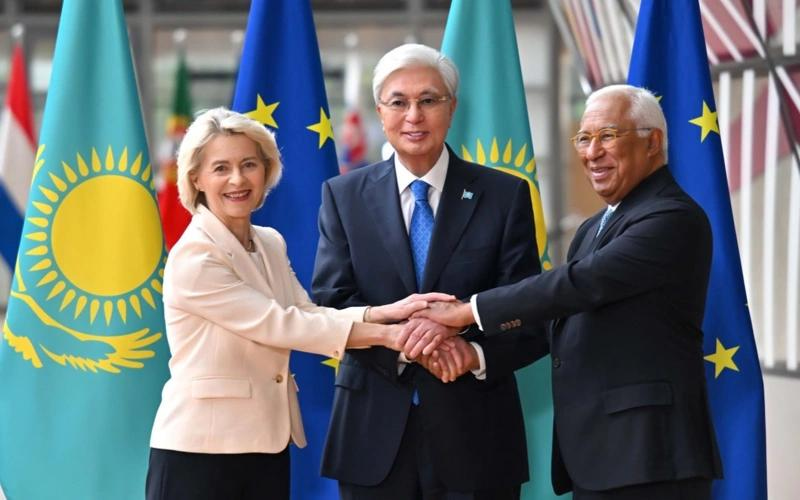
Seoul: The EU-South Korea digital trade agreement is a finished text that still needs formal signature, and that gap defines its next chapter. Leaders announced it at the 11th EU-South Korea summit in Brussels on 10 June 2026, where Ursula von der Leyen and António Costa met President Lee Jae-myung.
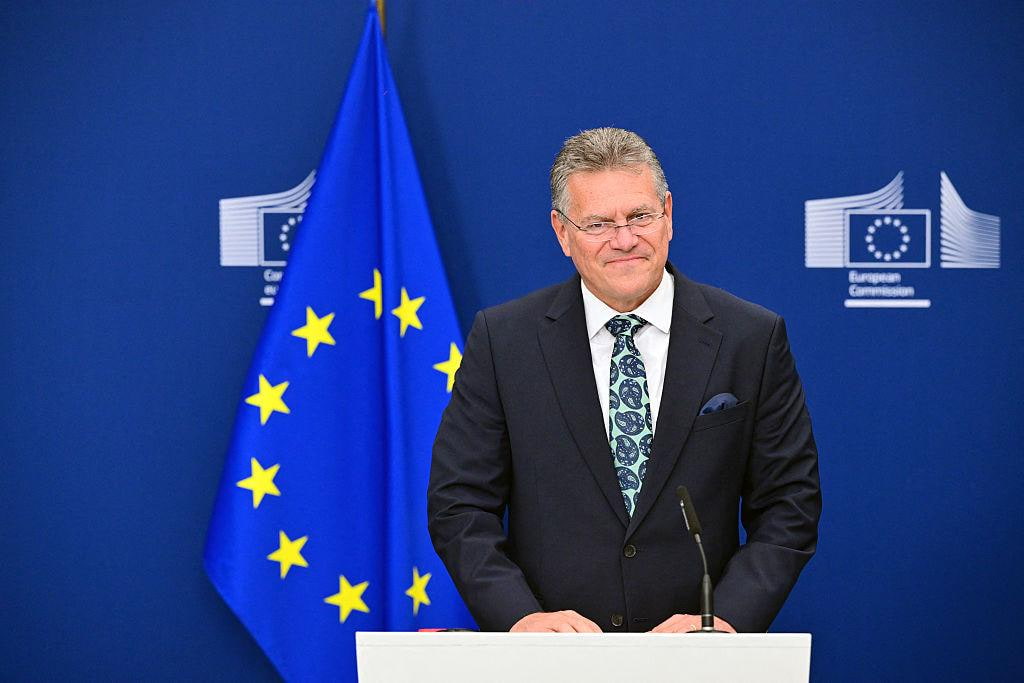
Trade Commissioner Maroš Šefčovič finalised the EU-South Korea digital trade agreement in April 2026, and it is the second standalone digital trade deal the Union has concluded, after the one with Singapore. The new text updates and supplements the EU-Korea free trade agreement, which has applied since 2011. That older deal was written before cloud services, online marketplaces and electronic signatures became routine in commerce.
The scale of digital exchange explains why the EU-South Korea digital trade agreement matters. In 2023 more than a third of services trade between the two partners was delivered digitally, worth about €11 billion. A rulebook that recognises how businesses actually trade therefore covers a large and growing share of the relationship, and the reported text says nothing about cross-border data flows, so readers should not assume it settles that sensitive question.
The agreement sets binding rules that recognise the legal validity of electronic contracts and digital signatures. Those provisions let a company in Munich or Busan close a deal online without a paper counterpart, and they aim to ease online transactions while strengthening protections for consumers and businesses. Small exporters stand to gain most, because they lack the legal departments that large firms use to manage cross-border paperwork.
Politically, the pact fits the Commission’s strategy of building a network of digital partnerships with like-minded economies. Seoul shares Brussels’ interest in trusted technology supply chains, and the summit also covered trade, energy and security cooperation. A digital agreement is a low-cost way to show that the partnership delivers results.
The procedure ahead for the EU-South Korea digital trade agreement is straightforward but not automatic. Šefčovič and his South Korean counterpart must sign the text formally, the European Parliament must give its consent, and the Council must approve it. MEPs have used such votes before to press for stronger consumer and privacy safeguards, so the committee debate may reveal how they read the data provisions.
For businesses, nothing changes until those steps finish. Companies planning to rely on the EU-South Korea digital trade agreement should watch for the signature date and the Parliament calendar rather than the summit announcement.
The EU-South Korea digital trade agreement may look modest beside a full free trade deal, yet it shows how Brussels now writes trade rules for the digital economy, one partner at a time.