November 14, 2026
LATEST
Japan SAFE Participation Bid Waits on Europe’s Content RulesChina Protest Letters Chill MEP Contacts With Taiwan LawmakersHybrid Car Safeguard Probe Tests Europe’s Asian Trade PartnersTaiwan Steel Exports to Europe Shed Their Quota ControlsArmenia Economic Resilience Pledge Tests Europe Against MoscowCaribbean Citizenship by Investment Faces Its Schengen ReckoningAI and Democracy Vote Gives MEPs Their Own AI Oversight BodyGlobal Talent Shapes 2026 ERC Synergy Grants of €500 MillionQuality Jobs Act Meets Cool Response From National Labour MinistersReal Household Consumption Expenditure Rose 1.6% Across the BlocSecond EU Enlargement Forum Gathers Sandu, Rama and KoretskyiEducation and Skills Package Puts AI Literacy in SchoolsRail Ticket Sellers Face Split on Digital Booking RegulationSatellite Firms Await EU Space Act Vote After Cyber DealEU-Israel Association Agreement Petition Puts Brussels on a DeadlineClimate Health Risks Expose Uneven Readiness Across EU Member StatesAgri-Food Promotion Policy Wins 476 MEP Votes Against 2027 Funding CutPlatform Counts Face EU Court Test Over DSA Supervisory FeeGoogle AdSense Fine Should Return, EU Court Adviser ArguesCar CO2 Targets Soften as MEPs Back a 95 percent Cut for 2035Japan SAFE Participation Bid Waits on Europe’s Content RulesChina Protest Letters Chill MEP Contacts With Taiwan LawmakersHybrid Car Safeguard Probe Tests Europe’s Asian Trade PartnersTaiwan Steel Exports to Europe Shed Their Quota ControlsArmenia Economic Resilience Pledge Tests Europe Against MoscowCaribbean Citizenship by Investment Faces Its Schengen ReckoningAI and Democracy Vote Gives MEPs Their Own AI Oversight BodyGlobal Talent Shapes 2026 ERC Synergy Grants of €500 MillionQuality Jobs Act Meets Cool Response From National Labour MinistersReal Household Consumption Expenditure Rose 1.6% Across the BlocSecond EU Enlargement Forum Gathers Sandu, Rama and KoretskyiEducation and Skills Package Puts AI Literacy in SchoolsRail Ticket Sellers Face Split on Digital Booking RegulationSatellite Firms Await EU Space Act Vote After Cyber DealEU-Israel Association Agreement Petition Puts Brussels on a DeadlineClimate Health Risks Expose Uneven Readiness Across EU Member StatesAgri-Food Promotion Policy Wins 476 MEP Votes Against 2027 Funding CutPlatform Counts Face EU Court Test Over DSA Supervisory FeeGoogle AdSense Fine Should Return, EU Court Adviser ArguesCar CO2 Targets Soften as MEPs Back a 95 percent Cut for 2035

China Protest Letters Chill MEP Contacts With Taiwan Lawmakers

Taipei: China protest letters sent to members of the European Parliament after a visit to Taiwan have turned a routine parliamentary trip into a fresh test of how Brussels handles Beijing’s red lines. The Chinese Mission to the EU sent a formal protest to Czech MEP Ondřej Krutílek after he attended the annual meeting of the Formosa Club in Taiwan and met Taiwanese officials.

Beijing accused Krutílek of violating the One-China principle, but the China protest letters did not single him out. German MEP Michael Gahler said every MEP who joined the trip received a similar letter, according to a Politico report dated 9 November 2026. The letters arrived as lawmakers from across the democratic world gathered in The Hague to coordinate their approach to China.

That gathering, the annual summit of the Inter-Parliamentary Alliance on China, concluded in early November with two shared priorities. Delegates agreed to campaign for peace and stability in the South China Sea and the Taiwan Strait, and to build whole-of-society resilience against Chinese economic leverage. IPAC also announced a new Threats Unit and now counts 325 lawmakers across 45 parliaments.

European voices featured prominently. Slovak MEP Miriam Lexmann attended, and Dutch MP Jan Paternotte co-hosted the summit as IPAC co-chair. Former Japanese defence minister Gen Nakatani and former prime minister Yoshihiko Noda also took part, which shows how closely Tokyo now tracks European debates on Taiwan.

The China protest letters follow a familiar playbook. Formal letters signal displeasure without triggering a full diplomatic crisis, and they put individual lawmakers on notice that contacts with Taipei carry a cost. In 2021 Beijing went much further and sanctioned five MEPs, a step that froze ratification of the EU-China Comprehensive Agreement on Investment.

The EU’s own position has not changed. Brussels maintains a One China policy that recognises the People’s Republic as the sole government of China, while it develops trade, research and people-to-people ties with Taiwan. The European Parliament, as an independent institution, has never accepted that its members need Beijing’s permission to travel.

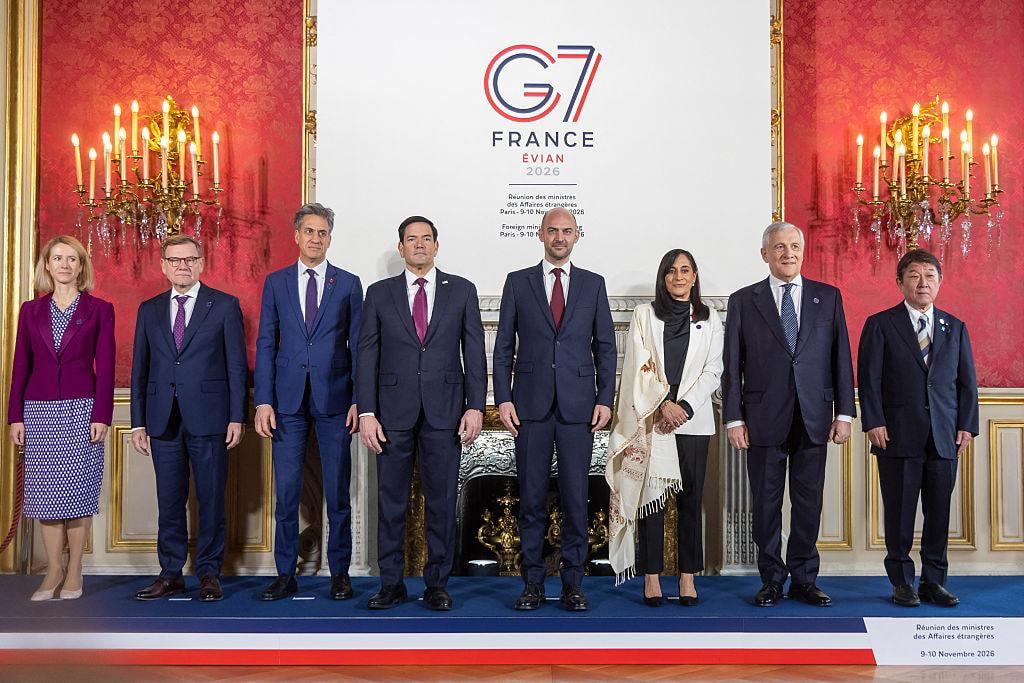
The timing adds weight to the China protest letters. G7 foreign ministers and EU High Representative Kaja Kallas issued a declaration in Paris on 9-10 November that opposes unilateral changes to the status quo in the Taiwan Strait by force or coercion. Taiwan’s Presidential Office welcomed the language, while Beijing accused the G7 of Cold War thinking.

For the Commission and the European External Action Service, the China protest letters create a quiet dilemma. Ignoring them risks normalising pressure on elected representatives, which IPAC members describe as a form of foreign interference. A sharp response could complicate a 2026 trade agenda already crowded with anti-dumping cases, safeguard probes and talks on market access.

Parliament has tools of its own to answer the China protest letters. Its special committee on the European Democracy Shield gives MEPs a forum to document pressure from foreign governments and to press the Council for a coordinated reply. A collective statement from the Conference of Presidents would also carry more weight than scattered individual responses.

How Brussels answers the China protest letters will shape the next round of parliamentary diplomacy with Taipei. If the institutions treat the episode as routine, more MEPs may weigh the cost of travel to Taiwan. If they defend the freedom of members to meet Taiwanese counterparts, Beijing will learn that pressure on individual lawmakers produces solidarity rather than silence.