New York: The European Union’s annual North Korea human rights resolution has secured South Korea as a co-sponsor for the fifth year in a row, setting up a vote in the UN General Assembly’s Third Committee expected around 18 and 19 November 2026. Seoul’s foreign ministry confirmed its decision on 5 November, and Pyongyang answered within a day with a sharp rebuke aimed squarely at Brussels.
The EU drafts the text every autumn and gathers co-sponsors in New York. The resolution calls for an end to systematic abuses documented since the 2014 UN Commission of Inquiry, including forced labour, political prison camps and severe limits on movement and information. Japan once tabled the text jointly with the EU but stepped back from co-leading in 2019, leaving Brussels as the main pen holder on North Korea human rights at the UN.
South Korea’s position has swung with its politics. Seoul co-sponsored from 2008 to 2018, stepped aside from 2019 to 2021 under Moon Jae-in, and returned in 2022 under Yoon Suk Yeol. President Lee Jae Myung, in office since June 2025, has kept that course despite his interest in reopening contacts with the North.
That interest shows in the wording. At Seoul’s suggestion, the 2026 draft stresses dialogue with Pyongyang, including inter-Korean talks. It also gives weight to abductees, detainees, prisoners of war and families separated since the Korean War, issues that matter deeply to South Korean and Japanese voters alike.
North Korea’s mission to the UN rejected the draft as an illegal, conspiratorial and confrontational document. Statements carried by the state news agency KCNA called the effort a farce and told the EU to mind its own business. The same statements pointed to street protests and police violence in Paris and Brussels, an attempt to turn the charge of hypocrisy back on Europe.
For the EU, the North Korea human rights exercise is about consistency more than any expectation of change in Pyongyang. The bloc already applies its global human rights sanctions regime to North Korean entities, and it keeps a strict arms embargo in place under UN and autonomous measures. A resolution that passes year after year keeps the North Korea human rights file on the UN record and helps future accountability work.
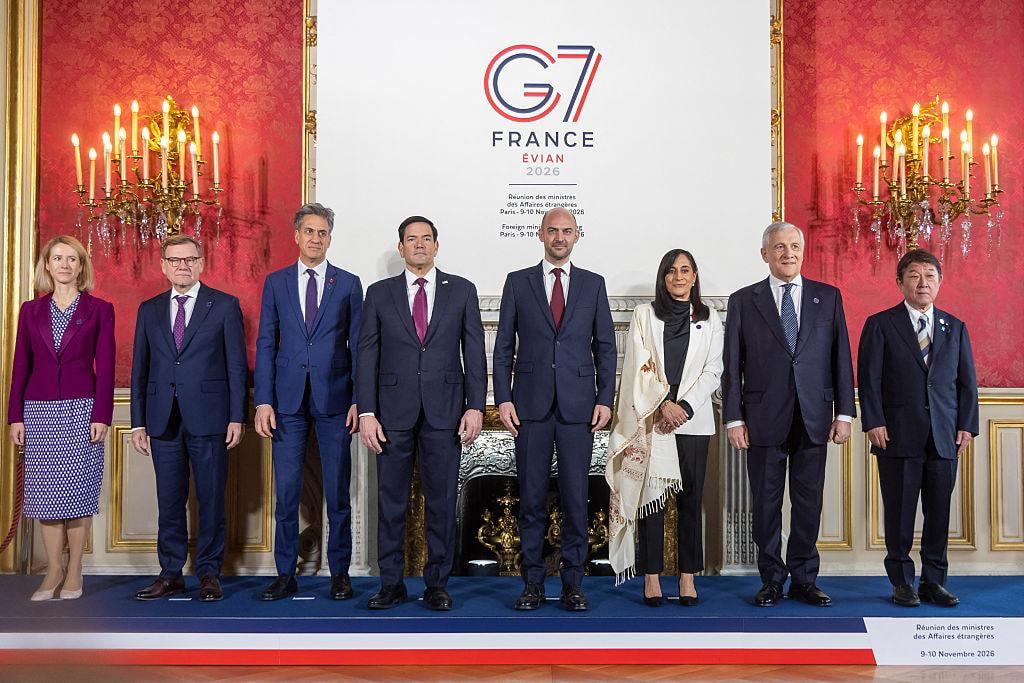
The diplomatic context around North Korea human rights work has hardened. On 11 November, G7 foreign ministers condemned North Korea’s military support for Russia and demanded its complete denuclearisation. Troops and munitions sent from Pyongyang to Russia’s war against Ukraine have linked Asian and European security in ways that make Brussels less willing to treat the peninsula as a distant concern.
The committee vote on North Korea human rights is only one step. After adoption in the Third Committee, the text moves to the plenary of the General Assembly, usually in December, where it has routinely passed without a recorded vote in recent years. Each stage gives Pyongyang a fresh platform to denounce the EU, and each gives Brussels another chance to rally partners from Latin America, Africa and Asia.
Whether consensus holds will show how far the EU’s diplomatic reach extends in a divided General Assembly. A broad co-sponsor list, with Seoul again on board, would signal that North Korea human rights remain a shared concern well beyond Europe and the transatlantic camp.