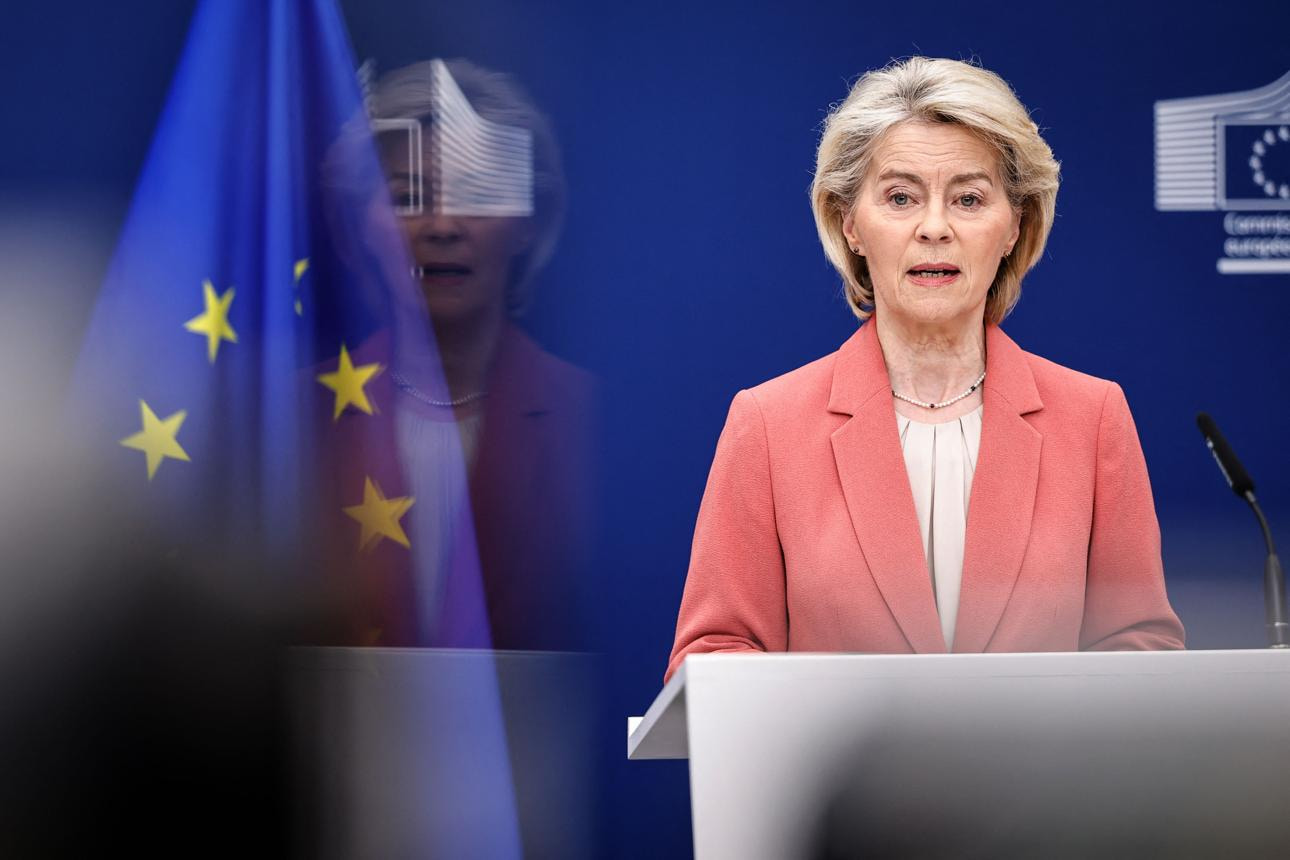
Montevideo: Mercosur provisional application is now the working reality of European trade with South America, even though the legal fight over the agreement is far from over. On 27 February 2026 the European Commission announced that it would provisionally apply the commercial part of the pact once Argentina and Uruguay completed ratification, which both legislatures did the previous day.
President Ursula von der Leyen said the step reduces billions of euros in tariffs. Reports indicate that tariffs fall on more than 90 percent of trade between the two blocs, which together cover more than 700 million people and roughly a quarter of global economic output. Negotiations took about 25 years, and Brazil’s Senate and Paraguay’s Chamber of Deputies later added their approvals, completing ratification among the South American partners.
The route chosen by Brussels explains the controversy. Mercosur provisional application allows the trade pillar to operate while lawmakers who oppose the deal, including far-left and far-right groups and many French members of the European Parliament, pursue a referral to the Court of Justice of the European Union. According to press reports, final parliamentary approval could take 18 to 24 months because of that judicial review. Parliament would vote again only if the court finds the agreement compatible with the treaties.
Farmers are the most vocal critics. French farm unions argue that cheaper beef, poultry and sugar from South America will undercut European producers who must meet stricter environmental and animal welfare standards. Supporters answer that European exporters of dairy, wine and spirits gain access to a large market, and that Mercosur provisional application can be reversed if serious harm appears. The sources reviewed for this article do not describe the detailed safeguard rules, so the real protection for sensitive sectors will depend on how the Commission uses them.
Mercosur provisional application raises food security arguments that cut both ways. Mercosur countries are major suppliers of soy, meat and grains, and a larger trade volume can steady import prices for European livestock feed. Yet dependence on distant supply chains raises questions about standards verification, deforestation rules and border controls, which the Commission must demonstrate through inspections rather than declarations.
Politically, Mercosur provisional application is also a signal to other partners. It shows that Brussels is willing to move ahead on trade when unanimity is out of reach, while accepting that its legitimacy will remain contested until the court speaks.
The coming months will test whether the benefits reach exporters quickly and whether farm regions see real disruption. If trade flows grow without visible damage, Mercosur provisional application will look like a pragmatic bridge. If shocks appear before judges rule, the political price in rural Europe will be high.