Seoul: Europe spent three years learning that it could not rearm on its own production lines fast enough, and South Korea has become the answer few in Brussels planned for. When Hanwha Aerospace arrived at the NATO Defence Industry Forum in Ankara on 8 July 2026, it behaved less like a visiting exporter and more like a permanent fixture of the continent’s supply chain.
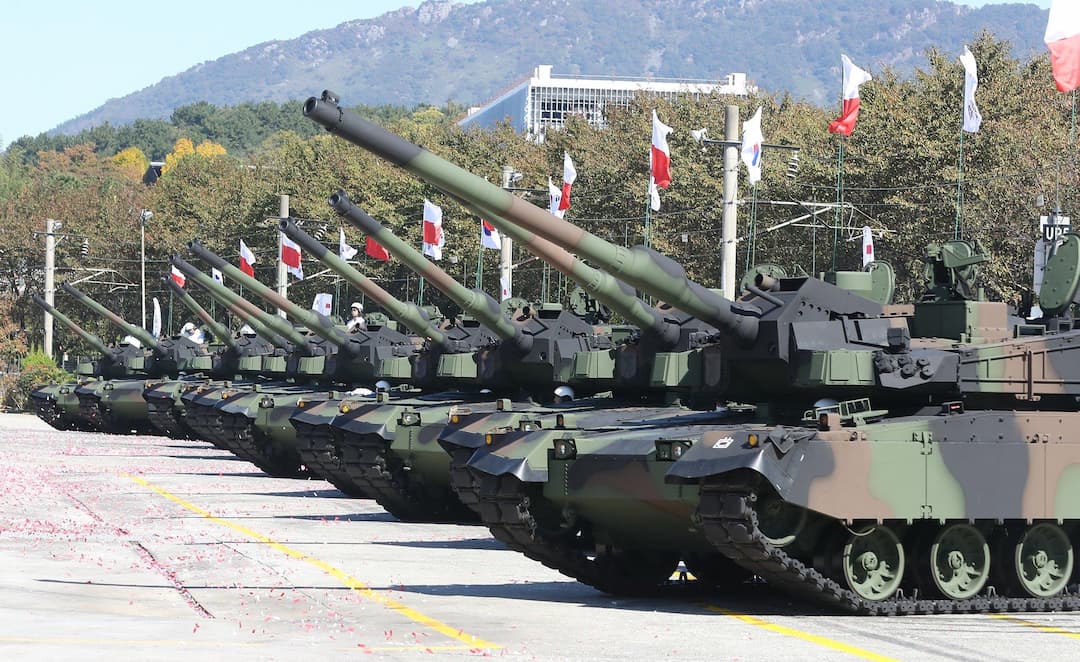
The Korean arms industry now threads through Europe’s rearmament in ways Washington’s older suppliers rarely matched. Poland built the relationship first, ordering K9 self-propelled howitzers, K2 tanks and Chunmoo rocket launchers on a scale and schedule that strained European factories could not meet after 2022. Romania, the Nordic states and several Western European buyers have followed the same logic.
Seoul wants to convert those transactions into something more durable. At Ankara its officials floated a “Korea-NATO Defence Industry Partnership 2.0,” a framework built around joint research, co-development, co-production and long-term industrial ties rather than one-off arms sales. The pitch is straightforward: pair NATO’s operational experience with Korean manufacturing that can actually deliver at volume.
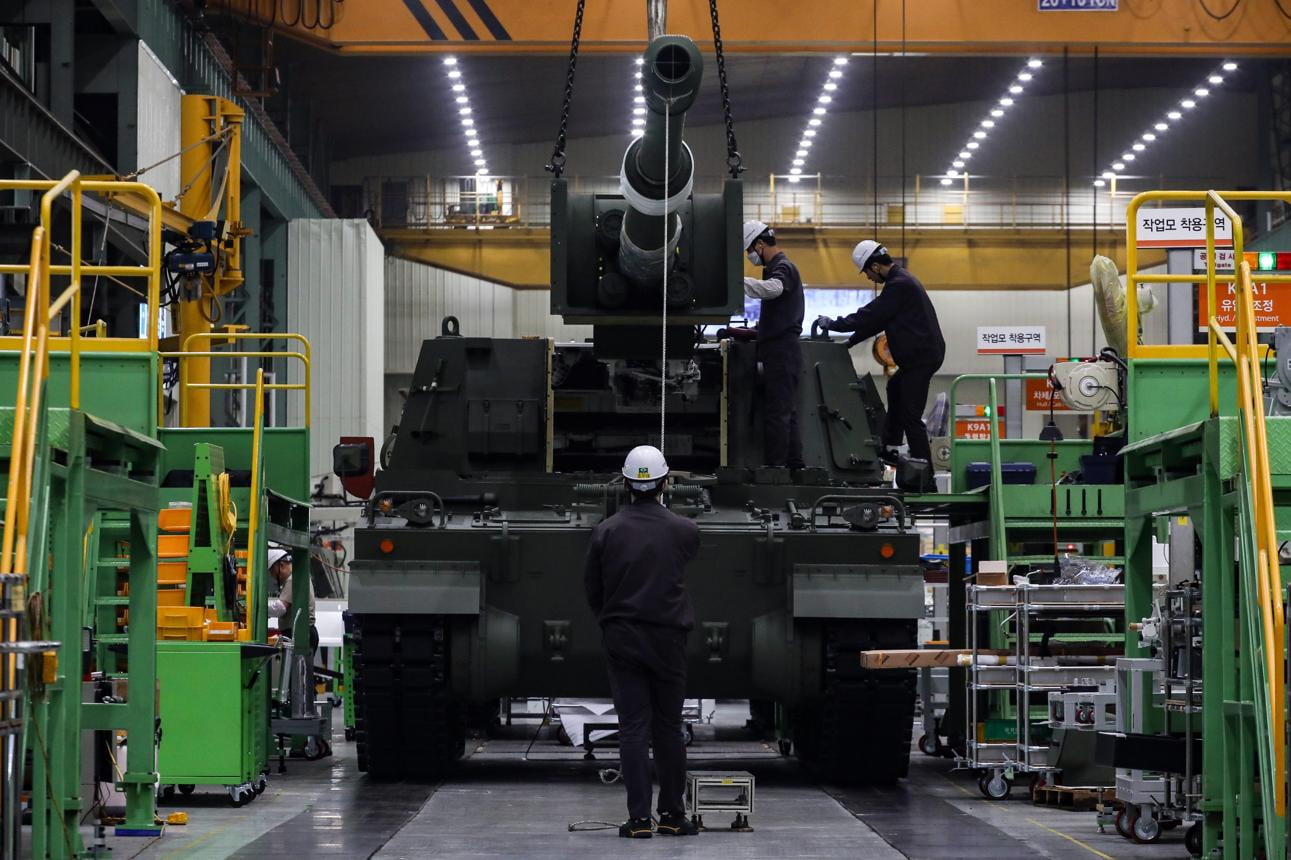
Hanwha has already put concrete behind the rhetoric. In February 2026 it broke ground in Romania on H-ACE, its Armoured Vehicle Centre of Excellence, a 180,000-square-metre site that will assemble and test military vehicles. The company promises a localisation rate of up to 80 percent and the involvement of more than thirty local firms, a deliberate answer to the charge that foreign kit hollows out European industry.
That charge matters because it strikes at Europe’s own defence-funding rules. Instruments such as the European Defence Fund and the newer SAFE borrowing programme reward European content and aim to tighten the bloc’s strategic autonomy. A howitzer designed in Changwon complicates that story, even when its final assembly happens on Romanian soil.
Yet the counterargument keeps winning where it counts, in ministries facing empty magazines. Korean firms offer proven designs, predictable pricing and delivery dates measured in months rather than years. For governments that watched Russia’s war expose the thinness of European stockpiles, reliability outranks provenance.
The risk for Seoul is the one every arms exporter eventually meets. An export boom built on urgency can fade once European capacity recovers and the political mood swings back toward buying at home. Korea’s answer is to embed itself so deeply, through factories, jobs and technology transfer, that unwinding the relationship costs more than continuing it.
For the European Union, the arrangement is a quiet admission. The bloc can spend its way toward rearmament, but for now it cannot manufacture its way there without partners. South Korea has read that gap precisely, and it intends to stay.