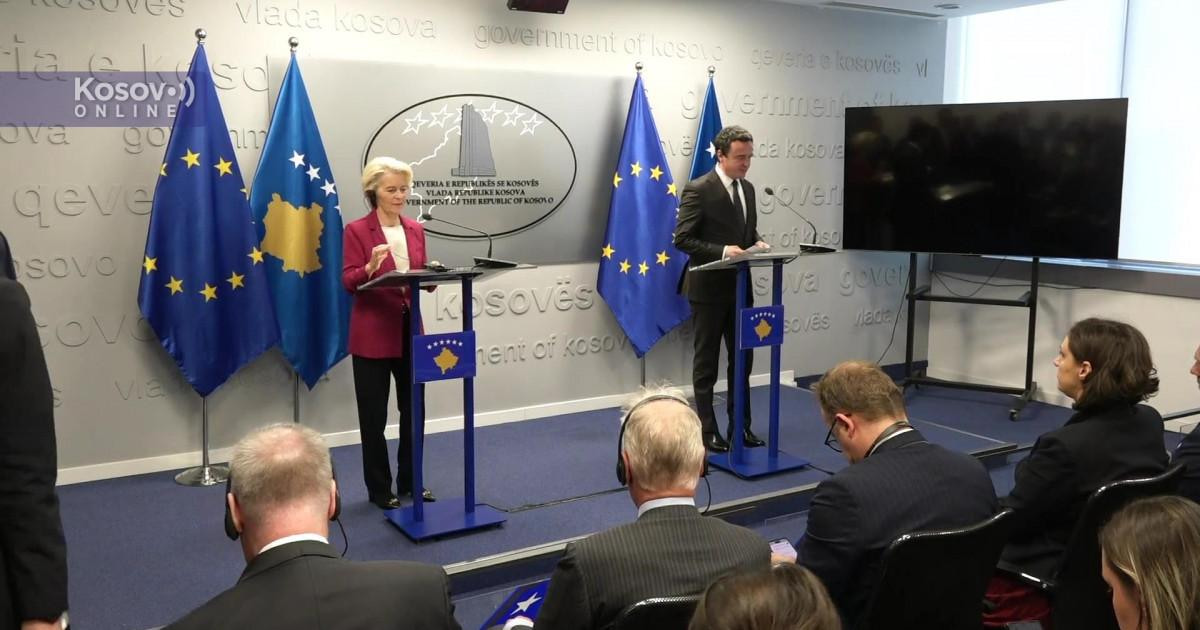
Riyadh: The EU-GCC summit on 24 October 2026 will bring the leaders of all 27 member states to Saudi Arabia for the second meeting of its kind, and its agenda puts security ahead of the trade talk that usually defines Europe’s Gulf diplomacy. European Council President António Costa will co-chair the gathering with Crown Prince Mohammed bin Salman, while Commission President Ursula von der Leyen will represent the Commission. The first leaders’ meeting took place in Brussels in 2024.
Costa’s invitation letter names five priorities: peace and security, connectivity, trade, economic cooperation, and energy and mobility. The order is telling. The war involving Iran, which began on 28 February 2026, and the Houthi attacks on Saudi Arabia have made Gulf stability a direct European interest. Costa has said the EU-GCC summit can show the EU as a reliable and long-term partner to the region.
The commercial base is large but lopsided. Goods trade reached €165.6 billion in 2025, made up of almost €110 billion in EU exports and €55.6 billion in imports, which leaves Europe with a comfortable surplus. Fuels account for more than 75 percent of what the EU buys from the six Gulf states. Services trade stood at €84.4 billion in 2024, and investment flows in both directions, with EU holdings in the Gulf at €163.1 billion and Gulf holdings in the EU at €189.8 billion.
Those figures explain why the EU-GCC summit matters beyond protocol. The relationship still rests on a cooperation agreement from 1989 that covers economic ties, energy, climate, the environment and research, a text written for a very different region and a very different decade. Brussels wants a framework that reflects shared interests in shipping lanes, energy supply and investment, and the EU is already the Gulf bloc’s second-largest trading partner.
Maritime security is the most concrete item on the table. Kaja Kallas is pushing to strengthen Aspides, the EU naval mission in the Red Sea. Cinzia Bianco of the European Council on Foreign Relations argues that its mandate already reaches the Strait of Hormuz but needs to be activated, including with more ships. She also cautions that European backing for Gulf partners does not mean pivoting away from Washington, since Europe can offer different things.
Nine Southern Mediterranean leaders added their voice with a joint statement that calls the meeting a chance to deepen engagement with Gulf partners on peace, security and prosperity. Their intervention shows that the EU-GCC summit is not only a Brussels project, because the countries closest to the Mediterranean feel regional instability first.
Several obstacles sit behind the warm language. Any decision on a stronger naval role needs agreement among 27 governments that weigh Gulf ties differently. A trade relationship in which fuel dominates imports also sits awkwardly with the EU’s own climate agenda. And a security offer only counts if it comes with ships, funding and a timetable rather than a declaration.
The EU-GCC summit will probably be judged less by the wording of its communiqué than by what follows it. If leaders leave Riyadh with a mandate to widen Aspides and a work plan on energy and connectivity, the EU-GCC summit will have turned a trading relationship into a security partnership. If they do not, it will be remembered as a well-hosted meeting that restated old intentions.