August 7, 2026
LATEST
New Zealand Trade With Europe Hits a Record in Its First YearEurope Locks Chinese Medical Devices Out of Its Public TendersHow Far Can Europe and Japan Take Their New Security Pact NowSeoul’s Gamble on Europe’s Research Money Is Starting to Pay OffEurope Freezes Its Retaliatory Tariffs on the US IndefinitelyAir Passenger Rights Get Their First Big Rewrite in 20 YearsFive Joint Defence Projects Win Brussels Backing and Shared CashTobacco Tax Overhaul Stalls as Governments Block UnanimityCritical Medicines Act Heads for Final Adoption This AutumnMoldova Accession Reaches Its Foreign-Policy ChapterMercosur Tariffs Fall as Europe’s Farmers Watch the GaugesWhy Europe’s Digital Fairness Act Worries Online RetailersErasmus+ Faces a Budget Fight Before Its 2028 RelaunchMedia Freedom Rules Turn One as Enforcement LagsPlatform Work Rules Push Member States Toward a December ReckoningSingle Ticket Plan Would Let One Booking Cover Europe by RailHungary Races an August Deadline to Unlock Its Recovery FundsCapitals Race a September Deadline to Restore NatureEuro-Zone Inflation Nudges Back Up as Energy Bills ClimbRed Bull Case Tests a New Frontier in EU AntitrustNew Zealand Trade With Europe Hits a Record in Its First YearEurope Locks Chinese Medical Devices Out of Its Public TendersHow Far Can Europe and Japan Take Their New Security Pact NowSeoul’s Gamble on Europe’s Research Money Is Starting to Pay OffEurope Freezes Its Retaliatory Tariffs on the US IndefinitelyAir Passenger Rights Get Their First Big Rewrite in 20 YearsFive Joint Defence Projects Win Brussels Backing and Shared CashTobacco Tax Overhaul Stalls as Governments Block UnanimityCritical Medicines Act Heads for Final Adoption This AutumnMoldova Accession Reaches Its Foreign-Policy ChapterMercosur Tariffs Fall as Europe’s Farmers Watch the GaugesWhy Europe’s Digital Fairness Act Worries Online RetailersErasmus+ Faces a Budget Fight Before Its 2028 RelaunchMedia Freedom Rules Turn One as Enforcement LagsPlatform Work Rules Push Member States Toward a December ReckoningSingle Ticket Plan Would Let One Booking Cover Europe by RailHungary Races an August Deadline to Unlock Its Recovery FundsCapitals Race a September Deadline to Restore NatureEuro-Zone Inflation Nudges Back Up as Energy Bills ClimbRed Bull Case Tests a New Frontier in EU Antitrust
August 7, 2026
LATEST
New Zealand Trade With Europe Hits a Record in Its First YearEurope Locks Chinese Medical Devices Out of Its Public TendersHow Far Can Europe and Japan Take Their New Security Pact NowSeoul’s Gamble on Europe’s Research Money Is Starting to Pay OffEurope Freezes Its Retaliatory Tariffs on the US IndefinitelyAir Passenger Rights Get Their First Big Rewrite in 20 YearsFive Joint Defence Projects Win Brussels Backing and Shared CashTobacco Tax Overhaul Stalls as Governments Block UnanimityCritical Medicines Act Heads for Final Adoption This AutumnMoldova Accession Reaches Its Foreign-Policy ChapterMercosur Tariffs Fall as Europe’s Farmers Watch the GaugesWhy Europe’s Digital Fairness Act Worries Online RetailersErasmus+ Faces a Budget Fight Before Its 2028 RelaunchMedia Freedom Rules Turn One as Enforcement LagsPlatform Work Rules Push Member States Toward a December ReckoningSingle Ticket Plan Would Let One Booking Cover Europe by RailHungary Races an August Deadline to Unlock Its Recovery FundsCapitals Race a September Deadline to Restore NatureEuro-Zone Inflation Nudges Back Up as Energy Bills ClimbRed Bull Case Tests a New Frontier in EU AntitrustNew Zealand Trade With Europe Hits a Record in Its First YearEurope Locks Chinese Medical Devices Out of Its Public TendersHow Far Can Europe and Japan Take Their New Security Pact NowSeoul’s Gamble on Europe’s Research Money Is Starting to Pay OffEurope Freezes Its Retaliatory Tariffs on the US IndefinitelyAir Passenger Rights Get Their First Big Rewrite in 20 YearsFive Joint Defence Projects Win Brussels Backing and Shared CashTobacco Tax Overhaul Stalls as Governments Block UnanimityCritical Medicines Act Heads for Final Adoption This AutumnMoldova Accession Reaches Its Foreign-Policy ChapterMercosur Tariffs Fall as Europe’s Farmers Watch the GaugesWhy Europe’s Digital Fairness Act Worries Online RetailersErasmus+ Faces a Budget Fight Before Its 2028 RelaunchMedia Freedom Rules Turn One as Enforcement LagsPlatform Work Rules Push Member States Toward a December ReckoningSingle Ticket Plan Would Let One Booking Cover Europe by RailHungary Races an August Deadline to Unlock Its Recovery FundsCapitals Race a September Deadline to Restore NatureEuro-Zone Inflation Nudges Back Up as Energy Bills ClimbRed Bull Case Tests a New Frontier in EU Antitrust

Why Brussels and Tokyo Are Betting Big on Quantum and Chips

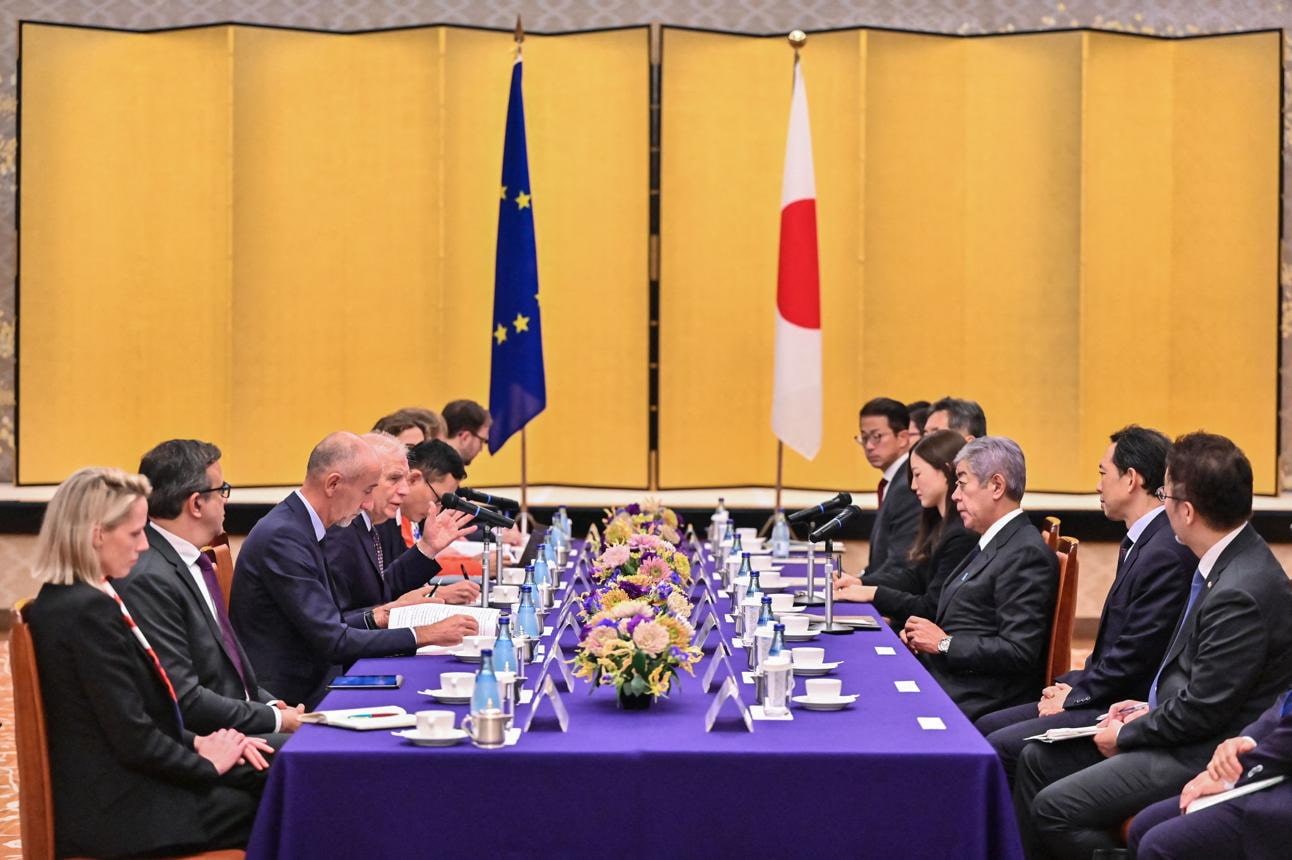
Tokyo: The fourth meeting of the EU–Japan Digital Partnership Council closed in Brussels on 5 May, and it left behind an unusually concrete list of deliverables. That concreteness is the story. For three years the digital partnership between Europe and Japan mostly restated shared values. This year it started to look like an industrial plan.

Negotiators concluded terms for Japan to associate with Pillar II of Horizon Europe, the bloc’s flagship research programme. Officials expect both governments to sign the arrangement in mid-2026. The deal opens EU-funded consortia to Japanese laboratories and companies, and it gives European researchers a route into Japan’s formidable materials and robotics base.

The two sides also widened cooperation on data, artificial intelligence, quantum computing, semiconductors and digital infrastructure. They launched a joint quantum project nicknamed Q-Neko, which pairs European and Japanese teams to build hybrid quantum and high-performance computing systems. Small in budget, the effort matters as a signal: Brussels and Tokyo now want to co-develop the technologies that will define the next decade, not merely trade the products.

Platform regulation supplied the sharpest move. The European Commission signed a cooperation arrangement with Japan’s Ministry of Internal Affairs and Communications to align enforcement of online platform rules. The pact links the EU’s Digital Services Act with Japan’s new Information Distribution Platform Act, so regulators on both continents can share evidence and coordinate action against the same global platforms.

The logic is strategic. Europe and Japan each face the same handful of American and Chinese technology giants, and neither can discipline them alone. By harmonising rules, they turn two mid-sized markets into one regulatory bloc that platforms cannot easily ignore. The Commission framed the cooperation as a defence of open, human-centric digital economies against both surveillance models and unregulated monopolies.

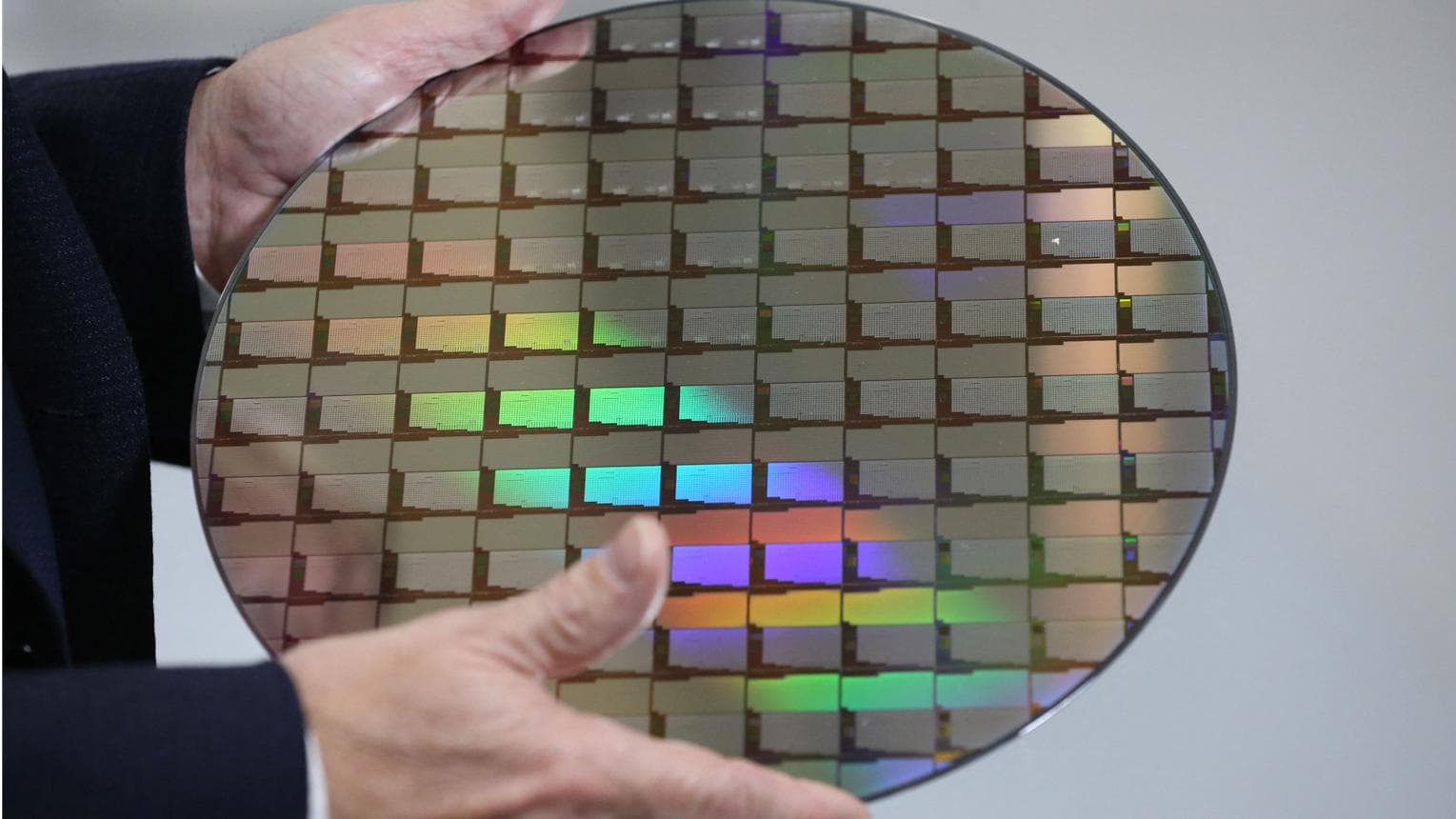
Semiconductors sit at the centre of the calculation. Japan supplies the chemicals, wafers and manufacturing equipment that no chip fab can run without, while Europe hosts design houses and specialist tool makers. Officials on both sides want to map these dependencies and cushion them against sudden export controls, a worry sharpened by years of friction with Beijing and Washington alike.

Sceptics note that partnership councils generate paperwork faster than results, and that Japan’s Horizon association still needs signatures and money. Yet the direction is unmistakable. Two economies that once treated digital policy as a domestic affair now coordinate it as foreign policy. For a European Union anxious about its technological standing, a reliable partner in the Pacific counts as a quiet win. The next test comes when the arrangements move from joint statements to joint budgets.