August 7, 2026
LATEST
New Zealand Trade With Europe Hits a Record in Its First YearEurope Locks Chinese Medical Devices Out of Its Public TendersHow Far Can Europe and Japan Take Their New Security Pact NowSeoul’s Gamble on Europe’s Research Money Is Starting to Pay OffEurope Freezes Its Retaliatory Tariffs on the US IndefinitelyAir Passenger Rights Get Their First Big Rewrite in 20 YearsFive Joint Defence Projects Win Brussels Backing and Shared CashTobacco Tax Overhaul Stalls as Governments Block UnanimityCritical Medicines Act Heads for Final Adoption This AutumnMoldova Accession Reaches Its Foreign-Policy ChapterMercosur Tariffs Fall as Europe’s Farmers Watch the GaugesWhy Europe’s Digital Fairness Act Worries Online RetailersErasmus+ Faces a Budget Fight Before Its 2028 RelaunchMedia Freedom Rules Turn One as Enforcement LagsPlatform Work Rules Push Member States Toward a December ReckoningSingle Ticket Plan Would Let One Booking Cover Europe by RailHungary Races an August Deadline to Unlock Its Recovery FundsCapitals Race a September Deadline to Restore NatureEuro-Zone Inflation Nudges Back Up as Energy Bills ClimbRed Bull Case Tests a New Frontier in EU AntitrustNew Zealand Trade With Europe Hits a Record in Its First YearEurope Locks Chinese Medical Devices Out of Its Public TendersHow Far Can Europe and Japan Take Their New Security Pact NowSeoul’s Gamble on Europe’s Research Money Is Starting to Pay OffEurope Freezes Its Retaliatory Tariffs on the US IndefinitelyAir Passenger Rights Get Their First Big Rewrite in 20 YearsFive Joint Defence Projects Win Brussels Backing and Shared CashTobacco Tax Overhaul Stalls as Governments Block UnanimityCritical Medicines Act Heads for Final Adoption This AutumnMoldova Accession Reaches Its Foreign-Policy ChapterMercosur Tariffs Fall as Europe’s Farmers Watch the GaugesWhy Europe’s Digital Fairness Act Worries Online RetailersErasmus+ Faces a Budget Fight Before Its 2028 RelaunchMedia Freedom Rules Turn One as Enforcement LagsPlatform Work Rules Push Member States Toward a December ReckoningSingle Ticket Plan Would Let One Booking Cover Europe by RailHungary Races an August Deadline to Unlock Its Recovery FundsCapitals Race a September Deadline to Restore NatureEuro-Zone Inflation Nudges Back Up as Energy Bills ClimbRed Bull Case Tests a New Frontier in EU Antitrust
August 7, 2026
LATEST
New Zealand Trade With Europe Hits a Record in Its First YearEurope Locks Chinese Medical Devices Out of Its Public TendersHow Far Can Europe and Japan Take Their New Security Pact NowSeoul’s Gamble on Europe’s Research Money Is Starting to Pay OffEurope Freezes Its Retaliatory Tariffs on the US IndefinitelyAir Passenger Rights Get Their First Big Rewrite in 20 YearsFive Joint Defence Projects Win Brussels Backing and Shared CashTobacco Tax Overhaul Stalls as Governments Block UnanimityCritical Medicines Act Heads for Final Adoption This AutumnMoldova Accession Reaches Its Foreign-Policy ChapterMercosur Tariffs Fall as Europe’s Farmers Watch the GaugesWhy Europe’s Digital Fairness Act Worries Online RetailersErasmus+ Faces a Budget Fight Before Its 2028 RelaunchMedia Freedom Rules Turn One as Enforcement LagsPlatform Work Rules Push Member States Toward a December ReckoningSingle Ticket Plan Would Let One Booking Cover Europe by RailHungary Races an August Deadline to Unlock Its Recovery FundsCapitals Race a September Deadline to Restore NatureEuro-Zone Inflation Nudges Back Up as Energy Bills ClimbRed Bull Case Tests a New Frontier in EU AntitrustNew Zealand Trade With Europe Hits a Record in Its First YearEurope Locks Chinese Medical Devices Out of Its Public TendersHow Far Can Europe and Japan Take Their New Security Pact NowSeoul’s Gamble on Europe’s Research Money Is Starting to Pay OffEurope Freezes Its Retaliatory Tariffs on the US IndefinitelyAir Passenger Rights Get Their First Big Rewrite in 20 YearsFive Joint Defence Projects Win Brussels Backing and Shared CashTobacco Tax Overhaul Stalls as Governments Block UnanimityCritical Medicines Act Heads for Final Adoption This AutumnMoldova Accession Reaches Its Foreign-Policy ChapterMercosur Tariffs Fall as Europe’s Farmers Watch the GaugesWhy Europe’s Digital Fairness Act Worries Online RetailersErasmus+ Faces a Budget Fight Before Its 2028 RelaunchMedia Freedom Rules Turn One as Enforcement LagsPlatform Work Rules Push Member States Toward a December ReckoningSingle Ticket Plan Would Let One Booking Cover Europe by RailHungary Races an August Deadline to Unlock Its Recovery FundsCapitals Race a September Deadline to Restore NatureEuro-Zone Inflation Nudges Back Up as Energy Bills ClimbRed Bull Case Tests a New Frontier in EU Antitrust

Why Europe Quietly Deepens Its Chip Ties With Taiwan

Taipei: Europe rarely says Taiwan’s name loudly. It fears Beijing’s reaction and clings to its one-China policy. Yet beneath the diplomatic caution, the chip ties binding the European Union to the island have grown steadily stronger, driven by a simple truth: the advanced semiconductors that run Europe’s economy are made almost nowhere else.

Taiwan’s foundries fabricate the most sophisticated chips on earth, and European carmakers, industrial firms and defence contractors depend on them. That dependence turned painful during the pandemic-era shortages, when idle factories across Germany traced their paralysis to a supply chain running through a single, geopolitically exposed island.

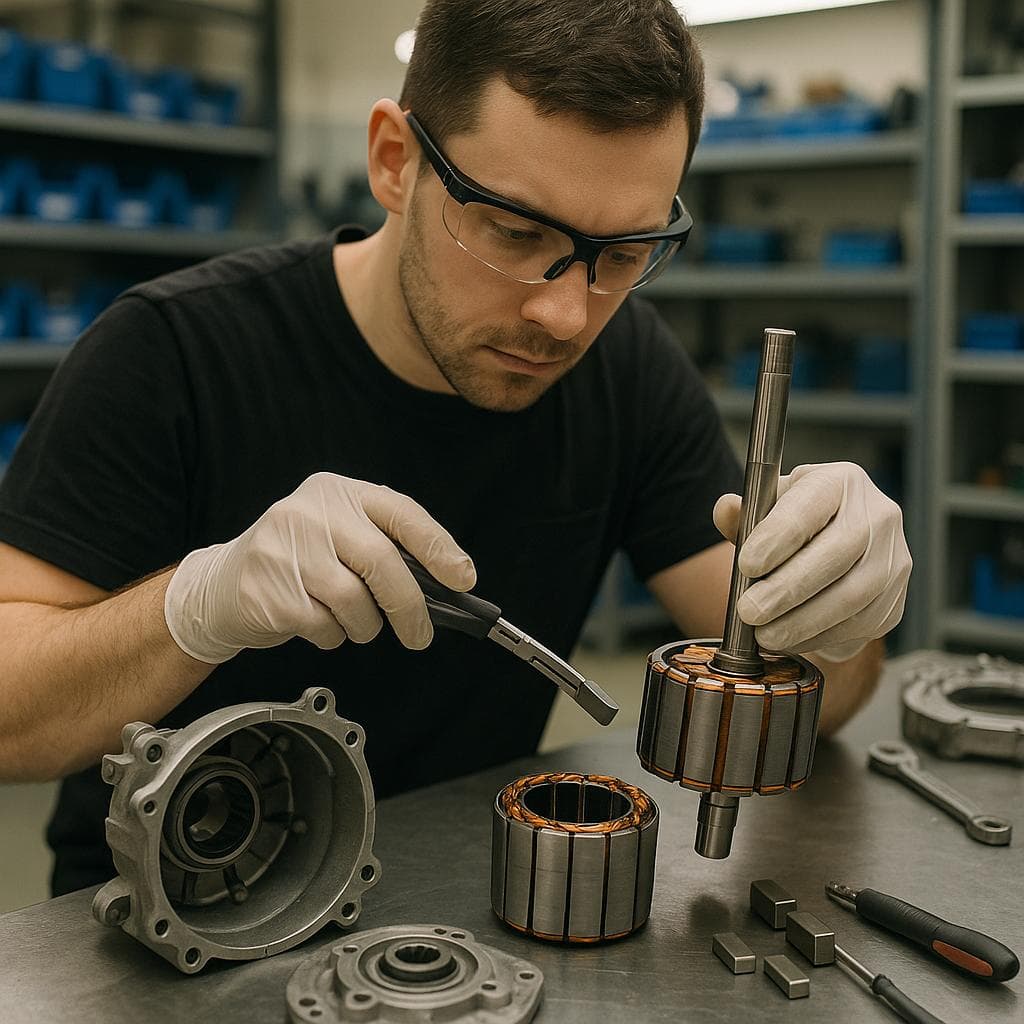
The response has been to bring a slice of that capacity onto European soil. In Dresden, Taiwan’s TSMC has partnered with Bosch, Infineon and NXP to build a plant for the legacy chips that power cars and machinery. The project sits at the heart of Europe’s ambition to make a fifth of the world’s semiconductors by 2030, a target that looks stretching but no longer fanciful.

Brussels frames all this as de-risking rather than decoupling. It does not seek to sever ties with China, its largest trading partner, but to reduce the chokepoints an adversary could exploit. Taiwan, sitting on the front line of that rivalry, has every reason to spread its most valuable industry among trusted partners, and Europe is glad to be counted among them.

The cooperation extends past factories. The two sides hold regular dialogues on supply-chain security, research and green technology, and European lawmakers increasingly speak of Taiwan as a partner whose democracy and know-how deserve protection. Analysts at Merics note that old taboos around engaging Taipei have begun to erode, even as governments keep the contact deliberately low-key.

China watches closely and objects often. Beijing treats any upgrade in Europe-Taiwan relations as a provocation, and the Union must weigh each step against the cost of retaliation across its far larger commercial relationship with the mainland. That calculus explains the quiet: substance advances while ceremony is avoided.

The deeper question is whether Europe can build resilience fast enough. Fabs take years and billions to complete, subsidies invite disputes over state aid, and the talent to run them is scarce. A single plant in Dresden does not end reliance on Taiwanese soil, and the island’s security still rests on decisions made in Beijing and Washington rather than Brussels.

Still, the direction is set. Europe has concluded that semiconductors are not merely goods but strategic assets, and that Taiwan is indispensable to any plan for securing them. The relationship will keep growing in the shadows, spoken of softly but pursued in earnest, because the alternative of doing nothing is a risk the continent can no longer afford. The Union’s own Indo-Pacific engagement, tracked through its ministerial forums, increasingly reflects that conclusion.