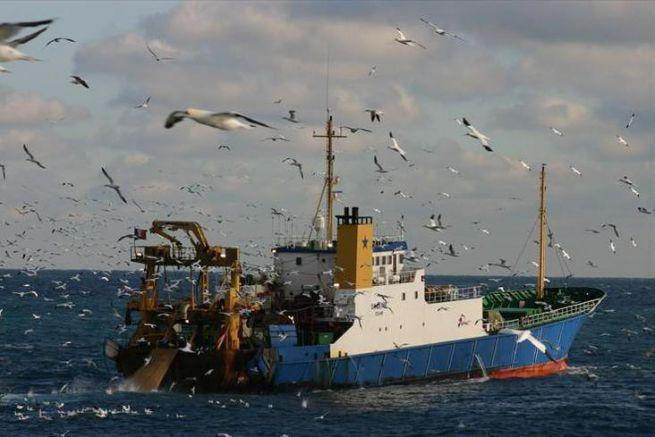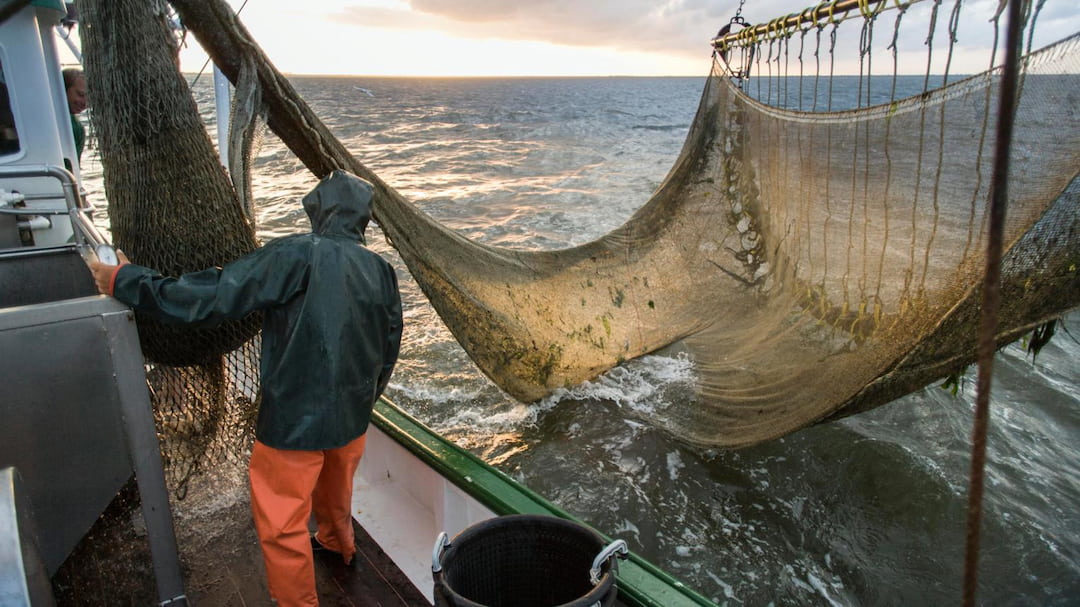
Gdansk: Crews working the southern Baltic are feeling the squeeze this summer as tighter catch limits take hold across a sea whose stocks keep sliding. The 2026 Baltic quotas, agreed last autumn after grim scientific advice, slashed what fleets may land and left several fisheries running on fumes.
Cod tells the bleakest story. Ministers accepted allocations that cover only unavoidable by-catch for both the western and eastern stocks, cutting the western figure by 84 percent and the eastern by 63 percent from the year before. In practice, targeted cod fishing has all but vanished from the region.
Herring fared little better. The Bothnian stock, once a mainstay of the northern fleets, saw its limit cut by 62 percent, while herring in the Gulf of Riga fell 17 percent and salmon in the main basin dropped 27 percent. Only a sliver of good news survived, with a small rise for salmon in the Gulf of Finland.
Scientists at the International Council for the Exploration of the Sea have warned for years that warming water, nutrient runoff and sustained pressure were pushing Baltic stocks toward collapse. The Commission leaned on that advice when it drew up the proposal, arguing that deeper pain now buys any chance of recovery later.
Coastal communities dispute the arithmetic of sacrifice. Small operators say the cuts fall hardest on family boats that lack the range to chase fish elsewhere, while the environmental damage driving the decline flows largely from farms, factories and shipping they do not control.
Fishing groups want the EU to pair the quotas with real support, from decommissioning schemes to help for crews leaving the trade. They also press Brussels to tackle the nutrient pollution and habitat loss that no catch limit alone can reverse.
The pattern reaches beyond one sea. Managers across European waters increasingly confront stocks that no longer bounce back on the old timetable, forcing choices between short-term livelihoods and the long-term survival of a fishery.
Processors and ports feel the knock-on effects too. When landings shrink, the auction halls, hauliers and smokehouses that depend on a steady catch lose volume as well, thinning out an economy that keeps many small Baltic harbours alive through the year.
Attention now turns to the Commission’s proposal for next year, expected within weeks and likely to keep the pressure on. The current limits and their rationale are laid out in the EU’s catch-limit tables, a document coastal towns are reading with dread.