August 10, 2026
LATEST
Europe Courts Central Asia to Break Its Reliance on Russian TransitMercosur Deal Takes Effect in Limbo as Judges Weigh Its FateEurope’s Air Quality Improves but WHO Limits LoomTwelve New EU Medicines Win a Green Light from EMAFIFA Agent Rules Must Answer to Europe’s CourtsTachograph Rules Now Reach Vans Crossing Europe’s BordersNature Restoration Plans Come Due as a Hard Deadline NearsBrussels Opens a State Aid Probe Into Spain’s Renewables PayoutBrussels Extends Its Tariff Suspension on US Goods IndefinitelyFarmers Win Stronger Contract Rights Across the EU Supply ChainEurope Finally Locks In Its 348-Satellite Answer to StarlinkPlatform Work Rules Face a National Scramble Before DecemberDuty-Free Parcels Reach the End of the Line for EU ShoppersAfter Nine Years, Europe and Australia Seal a Trade PactBeijing Answers Europe’s Russia Sanctions in KindOne Year On, the EU-Japan Alliance Faces Its First TestEurope’s Chip Ambitions Still Run Through Taiwan’s FabsWhy South Korea Bet Its Research Future on Europe’s ProgrammeEurope and Japan Deepen Their Economic Alliance as Rivals CircleFive Joint Defence Projects Launch Europe’s Military ShieldEurope Courts Central Asia to Break Its Reliance on Russian TransitMercosur Deal Takes Effect in Limbo as Judges Weigh Its FateEurope’s Air Quality Improves but WHO Limits LoomTwelve New EU Medicines Win a Green Light from EMAFIFA Agent Rules Must Answer to Europe’s CourtsTachograph Rules Now Reach Vans Crossing Europe’s BordersNature Restoration Plans Come Due as a Hard Deadline NearsBrussels Opens a State Aid Probe Into Spain’s Renewables PayoutBrussels Extends Its Tariff Suspension on US Goods IndefinitelyFarmers Win Stronger Contract Rights Across the EU Supply ChainEurope Finally Locks In Its 348-Satellite Answer to StarlinkPlatform Work Rules Face a National Scramble Before DecemberDuty-Free Parcels Reach the End of the Line for EU ShoppersAfter Nine Years, Europe and Australia Seal a Trade PactBeijing Answers Europe’s Russia Sanctions in KindOne Year On, the EU-Japan Alliance Faces Its First TestEurope’s Chip Ambitions Still Run Through Taiwan’s FabsWhy South Korea Bet Its Research Future on Europe’s ProgrammeEurope and Japan Deepen Their Economic Alliance as Rivals CircleFive Joint Defence Projects Launch Europe’s Military Shield
August 10, 2026
LATEST
Europe Courts Central Asia to Break Its Reliance on Russian TransitMercosur Deal Takes Effect in Limbo as Judges Weigh Its FateEurope’s Air Quality Improves but WHO Limits LoomTwelve New EU Medicines Win a Green Light from EMAFIFA Agent Rules Must Answer to Europe’s CourtsTachograph Rules Now Reach Vans Crossing Europe’s BordersNature Restoration Plans Come Due as a Hard Deadline NearsBrussels Opens a State Aid Probe Into Spain’s Renewables PayoutBrussels Extends Its Tariff Suspension on US Goods IndefinitelyFarmers Win Stronger Contract Rights Across the EU Supply ChainEurope Finally Locks In Its 348-Satellite Answer to StarlinkPlatform Work Rules Face a National Scramble Before DecemberDuty-Free Parcels Reach the End of the Line for EU ShoppersAfter Nine Years, Europe and Australia Seal a Trade PactBeijing Answers Europe’s Russia Sanctions in KindOne Year On, the EU-Japan Alliance Faces Its First TestEurope’s Chip Ambitions Still Run Through Taiwan’s FabsWhy South Korea Bet Its Research Future on Europe’s ProgrammeEurope and Japan Deepen Their Economic Alliance as Rivals CircleFive Joint Defence Projects Launch Europe’s Military ShieldEurope Courts Central Asia to Break Its Reliance on Russian TransitMercosur Deal Takes Effect in Limbo as Judges Weigh Its FateEurope’s Air Quality Improves but WHO Limits LoomTwelve New EU Medicines Win a Green Light from EMAFIFA Agent Rules Must Answer to Europe’s CourtsTachograph Rules Now Reach Vans Crossing Europe’s BordersNature Restoration Plans Come Due as a Hard Deadline NearsBrussels Opens a State Aid Probe Into Spain’s Renewables PayoutBrussels Extends Its Tariff Suspension on US Goods IndefinitelyFarmers Win Stronger Contract Rights Across the EU Supply ChainEurope Finally Locks In Its 348-Satellite Answer to StarlinkPlatform Work Rules Face a National Scramble Before DecemberDuty-Free Parcels Reach the End of the Line for EU ShoppersAfter Nine Years, Europe and Australia Seal a Trade PactBeijing Answers Europe’s Russia Sanctions in KindOne Year On, the EU-Japan Alliance Faces Its First TestEurope’s Chip Ambitions Still Run Through Taiwan’s FabsWhy South Korea Bet Its Research Future on Europe’s ProgrammeEurope and Japan Deepen Their Economic Alliance as Rivals CircleFive Joint Defence Projects Launch Europe’s Military Shield

Carbon Market Review Weighs CO2 Removals and Broader Sector Coverage

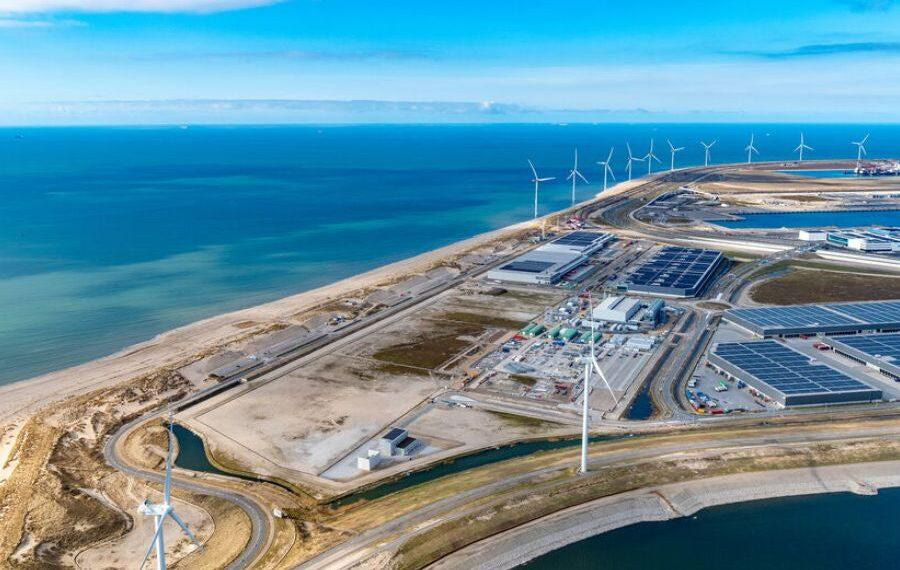
Rotterdam: From the refineries and terminals ringing Europe’s busiest port, the price of a tonne of carbon is a daily fact of business, and the rules that set it are about to be reopened. The Commission published its long-awaited review of the Emissions Trading System on 17 July, laying out how the bloc’s flagship carbon market might evolve as it chases deeper cuts by mid-century.

The trading system works by capping emissions from power plants, heavy industry, and aviation, then forcing polluters to buy allowances for what they release. That price signal has pushed utilities toward cleaner generation for years. The review asks how far the same mechanism can stretch to cover more of the economy and more kinds of climate impact.

One of its thorniest questions is how to treat carbon removals. As Europe leans on technologies and natural sinks that pull carbon dioxide back out of the air, the review examines whether and how such removals could count within the market, including the tricky matter of storage that may not be permanent. Getting the accounting wrong risks paying for reductions that later reverse.

The assessment also weighs expanding the system’s scope to sectors and greenhouse gases it does not yet touch, and it revisits the danger of carbon leakage, where firms shift production abroad to dodge the price. That concern is sharpest in industries not shielded by the bloc’s carbon border levy, which taxes the emissions embedded in certain imports.

Running alongside the review is a separate track for buildings and road transport. A second trading system, known as ETS2, is due to start operating in 2028, and lawmakers have already reached a provisional deal to adjust the reserve that will steady its prices. Together the two systems would draw far more of daily life into the carbon market than the original design ever did.

Industry and campaigners read the review through opposite lenses. Heavy manufacturers want assurance that any expansion will not price them out against foreign rivals, and they press for generous leakage protection. Climate groups counter that a credible market must widen its net and resist loopholes if the bloc is to meet the targets it has written into law.

The Commission cast the exercise as a stocktake rather than a finished blueprint, opening a debate that member states and the Parliament will now join. Its documents sit within the wider carbon markets workstream that underpins the bloc’s climate strategy.

For the operators around Rotterdam, the review sets the terms of a long negotiation over what they will pay to pollute in the decade ahead. The direction points toward a broader, tougher carbon market, and the argument over its details is only beginning.