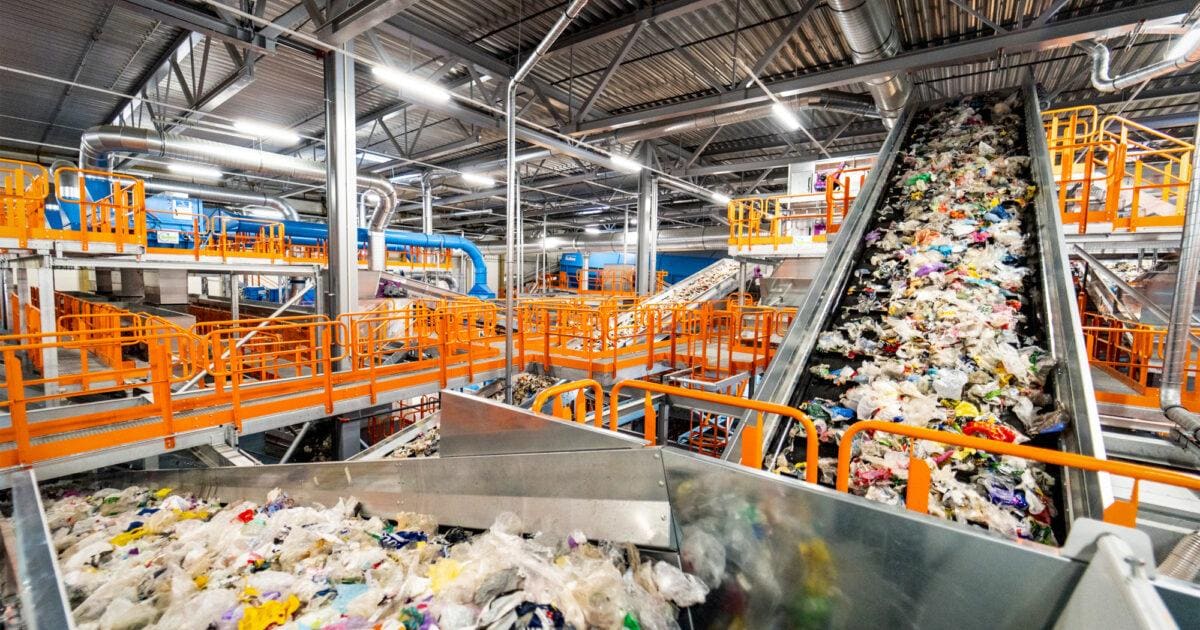
Rotterdam: The Circular Economy Act remains on the Commission’s list for 2026, and the sources reviewed do not confirm that a formal proposal has been adopted. Packaging Gateway reported in April 2026 that the Commission was preparing to publish the Circular Economy Act this year. A June briefing from ERP said the text was expected later in 2026, after a final stakeholder workshop on the impact assessment.
The headline goal is to double the EU’s circularity rate by 2030. The reports give no baseline figure for the current rate. The Circular Economy Act forms part of the Clean Industrial Deal and the Competitiveness Compass, and the Commission names plastics, batteries, vehicles and textiles as key value chains.
A single market for secondary raw materials sits at the centre of the plan. The Commission wants to improve the availability and quality of recycled plastics, paper and metals by aligning standards across member states and reducing trade barriers. A stronger emphasis on design for recycling and reuse would sit alongside common rules that encourage repair. The Repair Directive applies from 31 July 2026.
ERP reported the emerging approach from the impact assessment studies. The Circular Economy Act could widen the scope of the rules on waste electrical and electronic equipment, set mandatory material recovery targets and create EU-wide recognition of end-of-waste status. It could also introduce digital registration for extended producer responsibility schemes and recycled content thresholds.
The Commission is reportedly relying on an internal market legal basis for those provisions. That choice points toward harmonisation across the Union rather than national discretion, which would reduce the patchwork of recycling rules that producers face today. The reports give no numeric targets for recovery or recycled content.
Stakeholders have already staked out positions. The Socialists and Democrats call for mandatory eco-modulation of fees, transparency in producer responsibility schemes and repair incentives. BusinessEurope wants harmonised producer responsibility systems, stronger support for secondary raw materials and stricter market surveillance of online trade.
Timing matters for industry planning. Producers of packaging, electronics and batteries need to know which obligations will apply, and recyclers need to know whether recycled content thresholds will create steady demand. Investors in sorting and recycling plants make similar calculations before committing capital.
The Circular Economy Act therefore stands at the stage where scope is still contested. Recyclers want demand for recycled material, producers want one set of rules, and governments want to keep control of waste policy. The text the Commission finally tables will show which of those demands wins, and the Circular Economy Act will then move to Parliament and the Council.